
1860
1934
No user ratings available yet
Diversity score: 2.9 out of 10
1936
NRDirector
Lew Ayres
Runtime
72 minutes
Average Rating
No ratings yetSynopsis
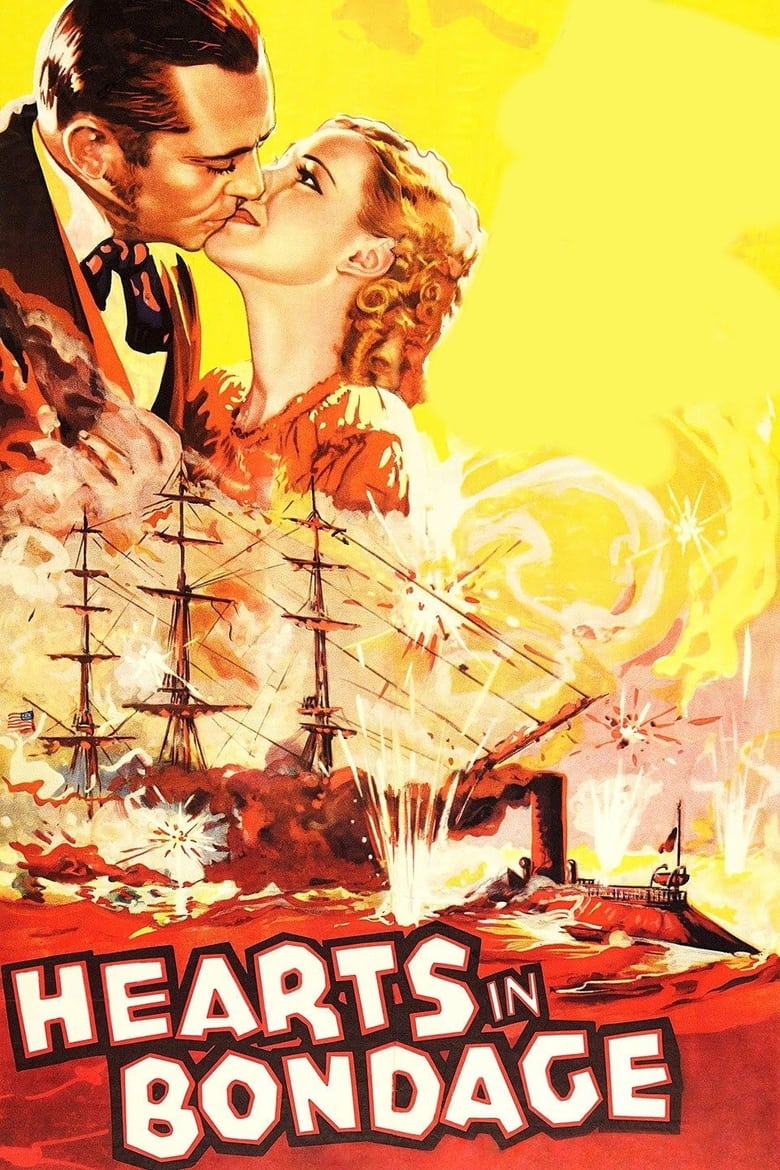
Best friends Kenneth Reynolds and Raymond Jordan are U.S. Navy officers, and Kenneth is engaged to Raymond's sister. But the eruption of the Civil War divides them, as Raymond stands by his native Virginia while Kenneth remains on duty as a Northern officer. Kenneth's uncle, John Ericsson, designs a new kind of ship, an ironclad he calls the Monitor. Eventually the war pits Kenneth, on board the Monitor, against his friend Raymond, serving aboard the South's own ironclad, the Merrimac (as it is called here). A naval battle ensues, one that will go down in history.
Overall Score
Limited
Category Breakdown
LGBTQ+ Representation
The film follows a traditional heteronormative structure centered on a romantic engagement. There is no evidence of non-cisnormative identities or same-sex intimacy within the narrative.
Gender Representation
Agency is concentrated in male characters within hyper-masculine naval environments. Women serve primarily as emotional catalysts and passive recipients of male-driven plot developments.
Racial & Ethnic Diversity
The story focuses on a homogeneous white officer class and regional loyalties. It lacks explicit inclusion of African American perspectives or the systemic racial struggles of the era.
Religious & Cultural Diversity
The narrative emphasizes patriotism, duty, and Western historical perspectives. It focuses on technological heroism and divided loyalties without offering critiques of established institutions.
Disability Representation
There is no mention of characters navigating physical or neurodivergent disabilities in the provided material.
Strengths
Areas for Improvement
AI Analysis
Hearts in Bondage is a conventional 1930s historical drama that prioritizes romanticized patriotism and clear-cut moral dichotomies. The narrative architecture relies on the 'brother against brother' trope to drive tension between Union and Confederate officers. The film adheres to the social hierarchies of its era, focusing on male-dominated military command and technological innovation. It lacks the intersectional complexity or subversion of social norms found in more progressive works. Ultimately, the film functions as a traditionalist piece that centers on regional conflict and domestic stakes rather than the broader social upheavals of the Civil War.
1934
2013
1915

1936

1973
1943
1914
1939

1936

1924
2012
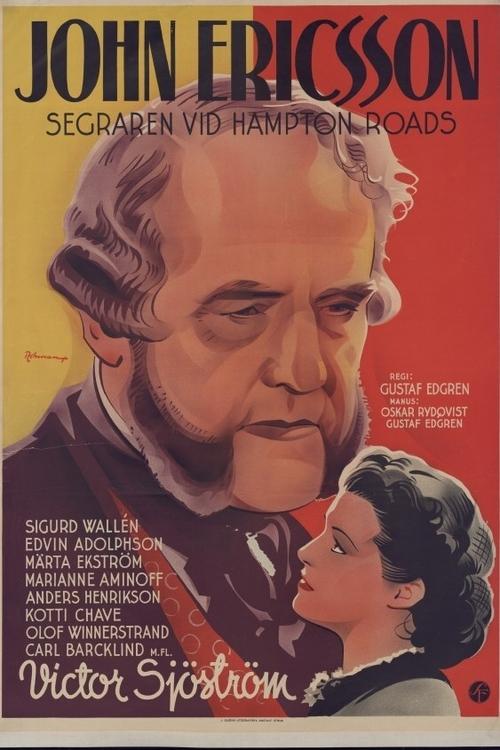
1937
No reviews yet. Be the first to share your thoughts on this movie!
Use the rating form above to leave a star rating and optional review.