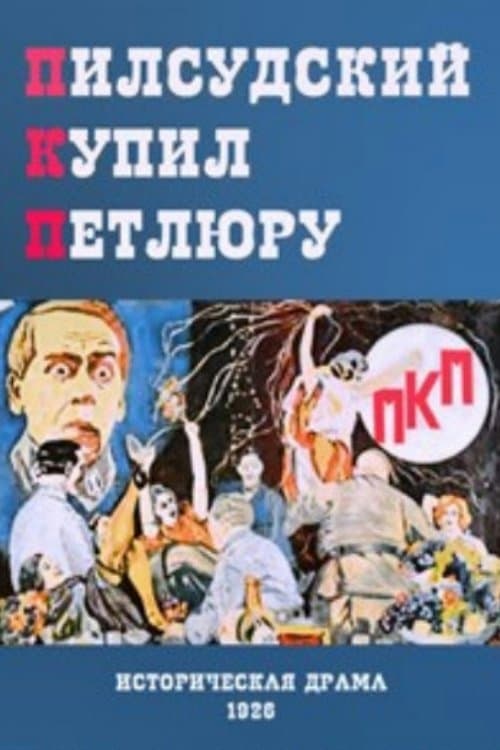
P.K.P.
1926
No user ratings available yet
Diversity score: 2.8 out of 10
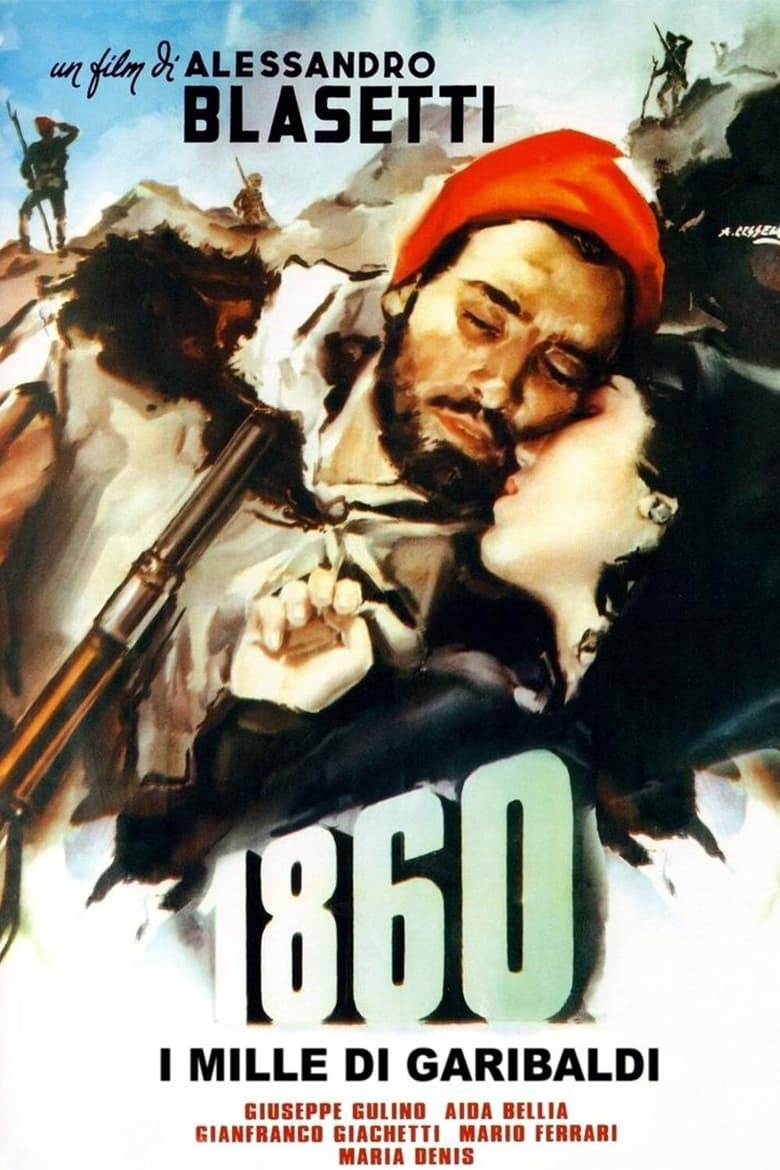
1934
Director
Alessandro Blasetti
Runtime
75 minutes
Average Rating
No ratings yetSynopsis
The story is the harried attempt of a Sicilian partisan, as part of the risorgimento, to reach Garibaldi's headquarters in Northern Italy, and to petition the revered revolutionary to rescue part of his besieged land. Along the way, the peasant hero encounters many colorful Italians, differing in class and age, and holding political opinions of every type. There is a key train scene, and the film ends on the battlefield, Italian unification a success, despite brutal losses.
Overall Score
Limited
Category Breakdown
LGBTQ+ Representation
The film lacks any depiction of non-heteronormative identities or same-sex intimacy. It adheres to the traditional romantic and familial structures common in 1930s historical epics.
Gender Representation
Agency is concentrated in male figures, specifically the partisan protagonist and Garibaldi. Women appear to occupy traditional, supportive roles rather than driving the historical narrative.
Racial & Ethnic Diversity
The story focuses on internal class and political divisions within Italy. It emphasizes a singular national identity rather than exploring multi-ethnic or diverse racial perspectives.
Religious & Cultural Diversity
As a nationalist epic, the film prioritizes patriotism and state formation. It celebrates the birth of a nation through sacrifice rather than critiquing traditional power structures.
Disability Representation
There is no information available regarding the depiction of physical or neurodivergent disabilities in this work.
Strengths
Areas for Improvement
AI Analysis
1860 functions as a traditional historical epic designed to build a national mythos. The narrative centers on the Risorgimento, focusing on the unification of Italy through the eyes of a male peasant hero. While the film explores various social classes and political opinions, it does so to reinforce a cohesive national identity. It lacks the intersectional complexity or subversion of social norms found in modern cinema. Ultimately, the film prioritizes duty and patriotism over the exploration of diverse identities or the critique of institutional power.
1926
1940
1914
1972
1961
1944
1936
1915

1922
1973
1963
1952
No reviews yet. Be the first to share your thoughts on this movie!
Use the rating form above to leave a star rating and optional review.