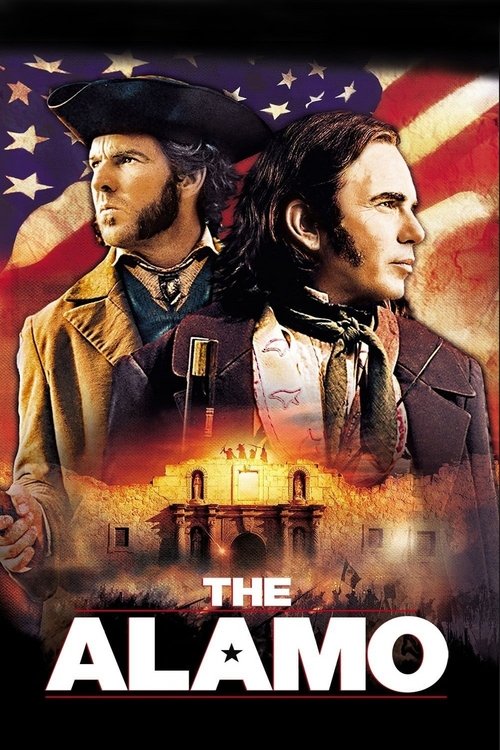
The Alamo
2004
No user ratings available yet
Representation score: 0.8 out of 10
Representation Score
Minimal
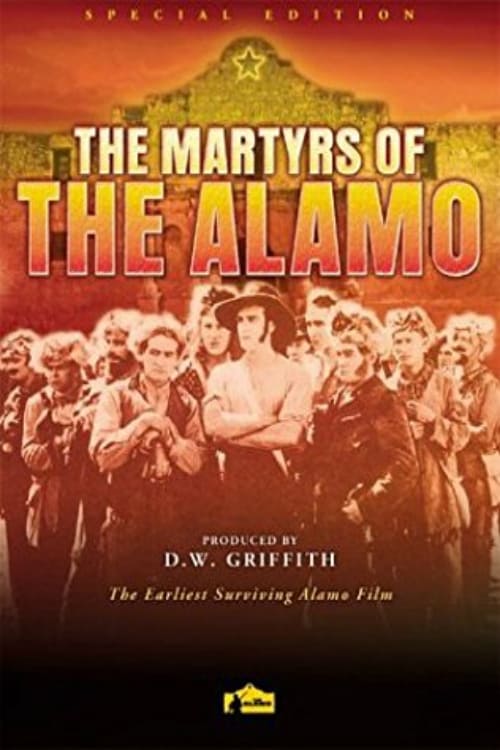
1915
Not RatedDirector
Christy Cabanne
Runtime
71 minutes
Average Rating
No ratings yetNew Showbiz Analysis
Martyrs of the Alamo is a traditional historical drama that reinforces established social and nationalistic hierarchies. The film relies on conventional clichés of heroism and clear-cut conflict, presenting a simplified view of history that upholds specific cultural identities. The narrative structure prioritizes men's control over the story and martial prowess, leaving little room for diverse perspectives. By portraying the Texian struggle as a heroic defense, the film perpetuates historical myths without challenging them. Ultimately, the work aligns with early Hollywood's moral frameworks, emphasizing traditional heroism and reinforcing existing power dynamics.
Category Breakdown
The film does not include any representations of LGBTQ+ identities or stories. The social context stays within traditional orientation norms.
The story focuses on masculine military combat and male heroic sacrifice. Women are given minimal, peripheral roles that support traditional gender hierarchies.
The film uses a binary racial framework typical of early 20th-century Westerns. It highlights Texian heroism through a Eurocentric lens with little nuance about Mexican culture.
The story serves as patriotic myth-making that promotes a singular nationalist morality. It does not offer any critique of Western institutions or historical complexities.
There is no depiction of physical, sensory, or neurodivergent identities. Characters are shown as idealized military archetypes without any disabilities.
Present on Screen
Limited or Absent
Official Synopsis
The story of the defense of the mission-turned-fortress by 185 Texans against an overwhelming Mexican army in 1836.
2004
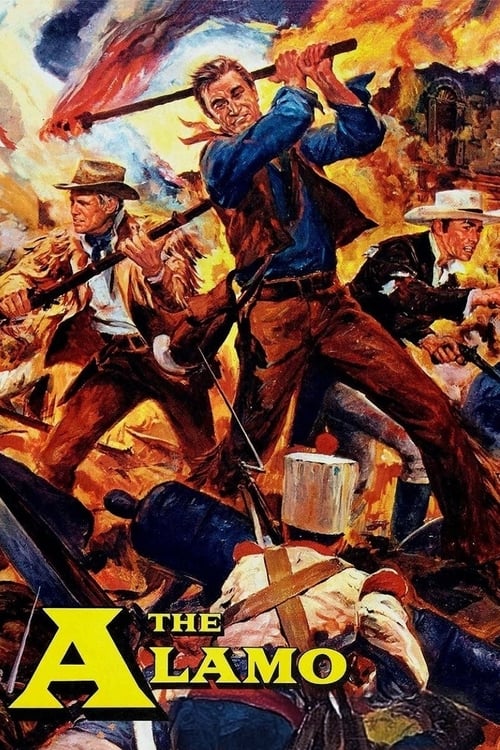
1960

1988

1964
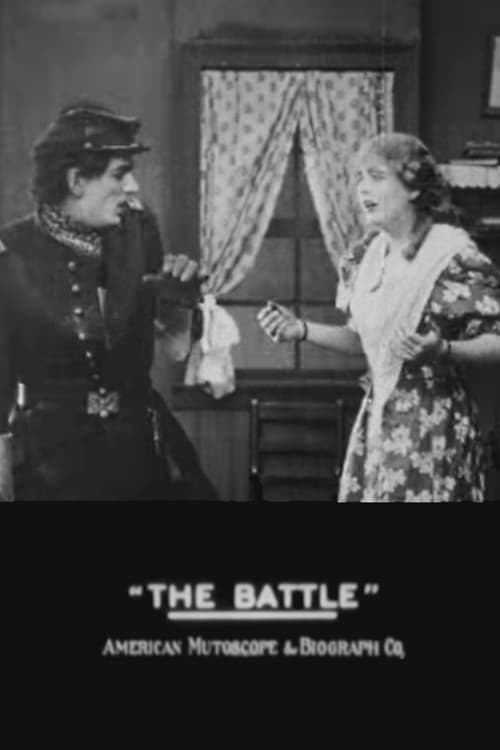
1911

2016

2013

2015
No reviews yet. Be the first to share your thoughts on this movie!
Use the rating form above to leave a star rating and optional review.