
Himmelhunde
1942
No user ratings available yet
Representation score: 0.8 out of 10
Representation Score
Limited
1943
Director
Gerhard Lamprecht
Runtime
109 minutes
Average Rating
No ratings yetNew Showbiz Analysis
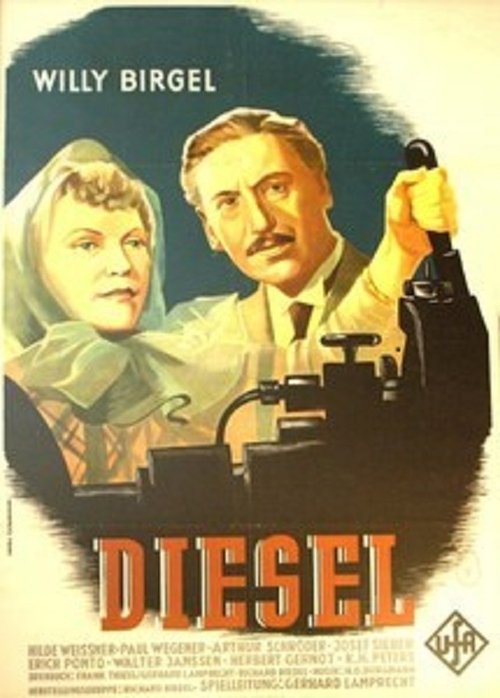
Diesel (1943) is a product of its time, reinforcing rather than challenging the social and cultural norms of mid-20th century Germany. The film lacks the complexity found in modern cinema, sticking to strict, state-aligned narrative structures. The production reflects a period of intense nationalism where individual ability to act was secondary to thematic requirements. Ultimately, the film serves as a historical record of a time when media was used to support existing power structures and social orders.
Category Breakdown
The film does not include any LGBTQ+ characters or non-straight identities. It follows the strict social rules of 1940s German cinema.
Female characters are limited to supporting or domestic roles. Male characters hold leadership positions and have more control over the story, reflecting traditional gender roles of mid-20th century Europe.
The cast is predominantly white and European. There is no evidence of diverse racial representation, focusing instead on a single national identity.
The story upholds traditional Western institutions and state authority. Social order and authority are presented positively without questioning systemic structures.
Characters with disabilities are not shown as having independent ability to act. Physical disabilities in the film may serve as symbolic plot devices rather than complex character traits.
Present on Screen
Limited or Absent
Official Synopsis
A German wartime biography of Rudolf Diesel, inventor of the Diesel engine. The movie links the importance of the engine to the war by starting the movie with newsreel clips of German Navy U-boats in action.
1942

1975
1944

1959

2023

1951

1936

1939
No reviews yet. Be the first to share your thoughts on this movie!
Use the rating form above to leave a star rating and optional review.