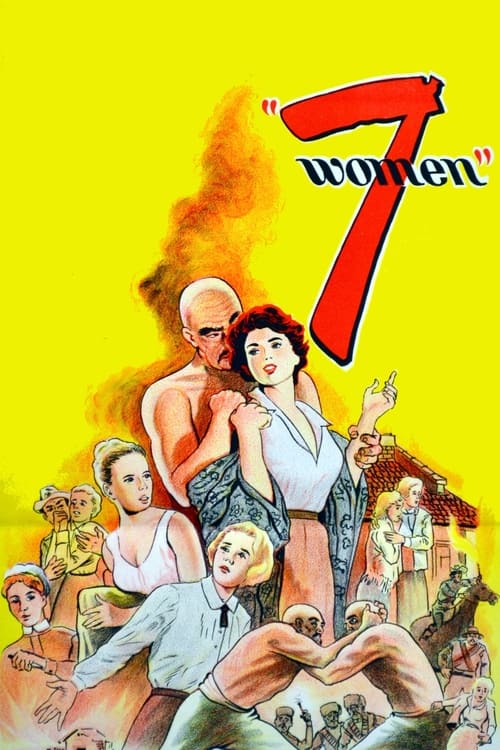
7 Women
1965
No user ratings available yet
Diversity score: 3.6 out of 10
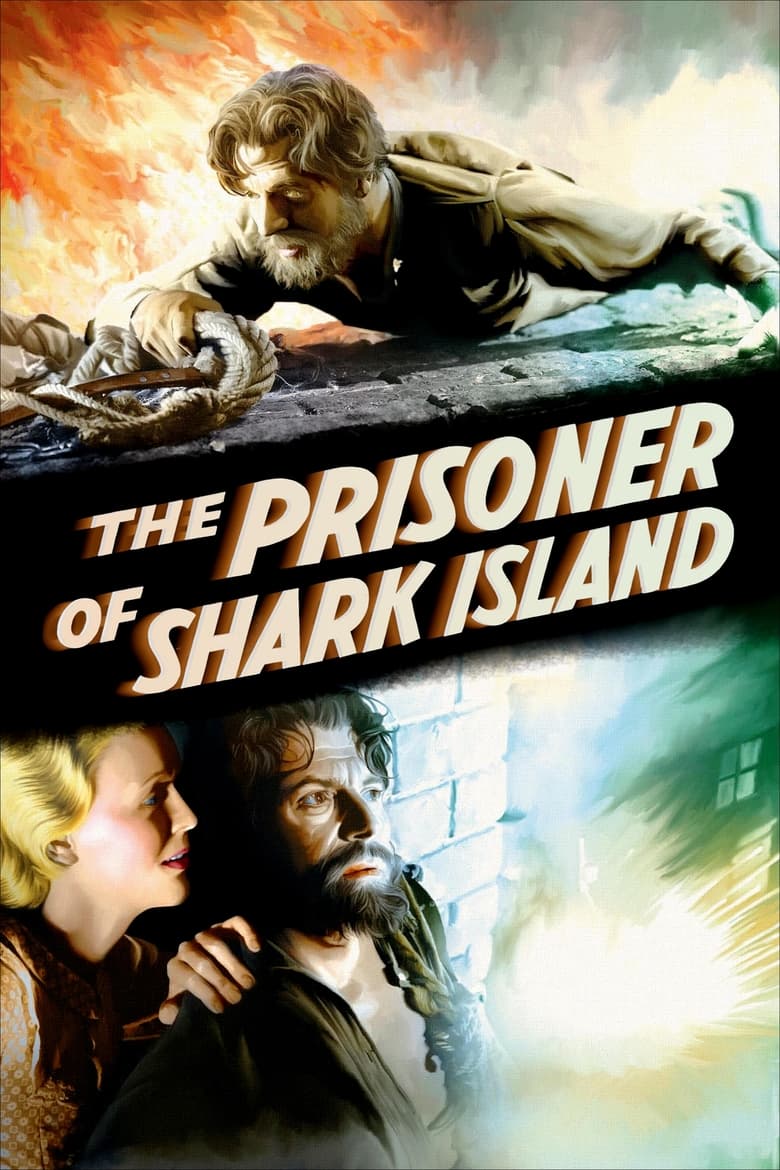
1936
GDirector
John Ford
Runtime
93 minutes
Average Rating
No ratings yetSynopsis
After healing the leg of the murderer John Wilkes Booth — responsible for the assassination of President Abraham Lincoln — Dr. Samuel A. Mudd, considered part of the atrocious conspiracy, is sentenced to life imprisonment and sent to the sinister Shark Island Prison.
Overall Score
Limited
Category Breakdown
LGBTQ+ Representation
The film follows a strictly heteronormative structure. There is no presence of non-cisnormative identities or same-sex intimacy.
Gender Representation
Male agency drives the entire narrative, focusing on legal and physical struggles. Female characters are minimal and occupy traditional supporting roles.
Racial & Ethnic Diversity
The cast is predominantly white, reflecting the historical context of the Lincoln assassination. The film offers limited intersectional depth despite the prison setting.
Religious & Cultural Diversity
The story critiques judicial error through the lens of individual injustice. It reinforces traditional Western concepts of justice rather than challenging institutional foundations.
Disability Representation
Physical trauma, such as Booth's leg injury, serves as a central plot driver. These conditions function as narrative tools rather than nuanced character studies.
Strengths
Areas for Improvement
AI Analysis
John Ford's historical drama focuses on the individual struggle of Dr. Samuel Mudd following the Lincoln assassination. The film operates within the classical Hollywood framework of the 1930s, prioritizing historical accuracy and personal vindication over social deconstruction. The narrative is heavily centered on male protagonists and white historical figures. This focus limits the scope of the film's social representation, as it adheres to the era's traditional hierarchies and gendered power dynamics. While the film explores themes of physical injury and systemic injustice, these elements are used primarily to advance the plot. The work lacks the complexity required to address broader intersectional or systemic issues.
1965
1948
1939
1943
2005

1940
1940
1936

1940
1940
1939
1901
No reviews yet. Be the first to share your thoughts on this movie!
Use the rating form above to leave a star rating and optional review.