
It Always Rains on Sunday
1947
No user ratings available yet
Representation score: 2.1 out of 10
Representation Score
Minimal
1947
NRDirector
Byron Haskin
Runtime
97 minutes
Average Rating
No ratings yetNew Showbiz Analysis
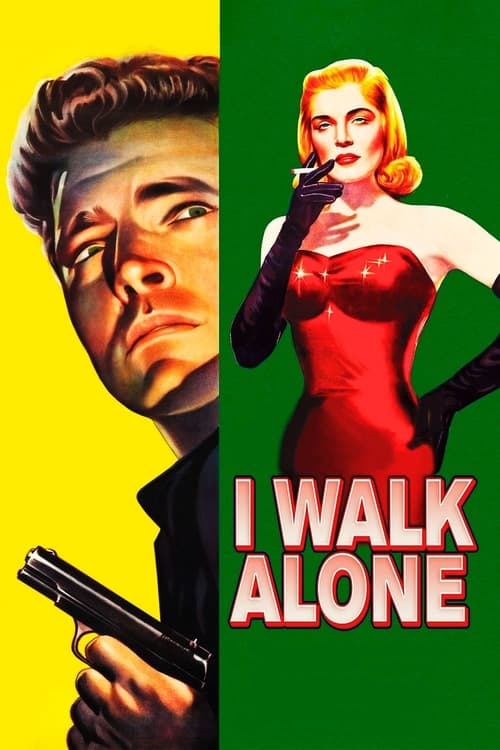
I Walk Alone is a classic noir drama that emphasizes individual moral struggles over broader social complexities. The film adheres to the conventional narrative structures of its era, focusing on the tension between two former partners. The representation is limited, with a homogeneous cast and traditional romantic frameworks. The film functions as a study of personal responsibility rather than a critique of systemic social hierarchies. Ultimately, the work lacks the intention to disrupt established norms regarding race, gender, or identity, remaining a product of the mid-century studio system.
Category Breakdown
The film follows a strictly heterosexual and cisgender framework. There is no indication of LGBTQ+ identities or subtext.
Gender roles adhere to traditional noir conventions. The female lead, Kay, primarily serves as a tool for male manipulation rather than an independent character.
The cast is predominantly white, reflecting the standards of 1947 Hollywood. The story lacks significant characters of color or diverse ethnic perspectives.
The narrative centers on individual morality and redemption within legal frameworks. It avoids critiquing Western institutions or exploring diverse cultural perspectives.
The film does not include characters with visible or invisible disabilities. Physical and neurodivergent experiences are not part of the thematic exploration.
Present on Screen
Limited or Absent
Official Synopsis
Bootleggers on the lam Frankie and Noll split up to evade capture by the police. Frankie is caught and jailed, but Noll manages to escape and open a posh New York City nightclub. 14 years later, Frankie is released from the clink and visits Noll with the intention of collecting his half of the nightclub's profits. But Noll, who has no intention of being so equitable, uses his ex-girlfriend Kay to divert Frankie from his intended goal.
1947
1949
1951
1941
1949
1937
1944

1950
No reviews yet. Be the first to share your thoughts on this movie!
Use the rating form above to leave a star rating and optional review.