Phantom
1922
No user ratings available yet
Representation score: 2.8 out of 10
Representation Score
Minimal
1926
PassedDirector
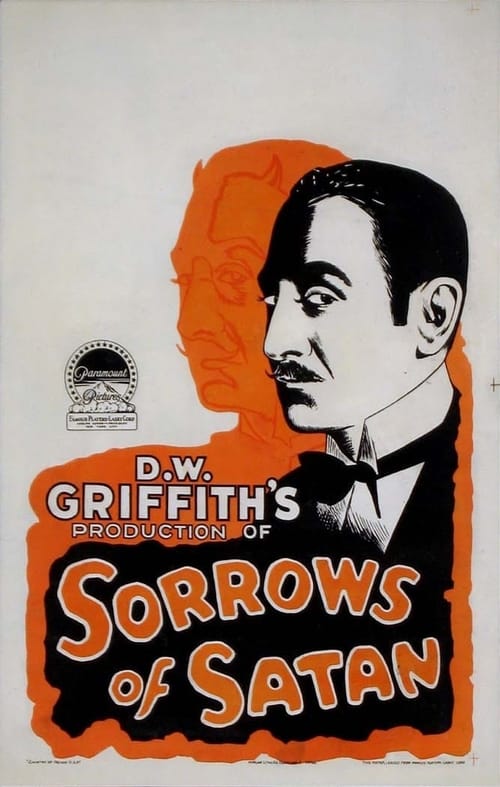
D.W. Griffith
Runtime
89 minutes
Average Rating
No ratings yetNew Showbiz Analysis
D.W. Griffith’s film functions as a traditional moral drama, emphasizing a struggle between spiritual integrity and material temptation. The narrative structure reinforces established social, religious, and gender hierarchies typical of its time. The film lacks the intention to disrupt conventional narratives, instead reinforcing traditional Western values and predictable social dynamics.
Category Breakdown
The film focuses solely on heterosexual relationships, with no representation of LGBTQ+ identities or same-sex intimacy. It operates within a framework that assumes everyone is straight and cisgender.
Mavis is shown as a professional woman pursuing a writing career, but her role is primarily as a romantic figure. The narrative emphasizes the male protagonist's journey, highlighting his economic and spiritual struggles.
The film features predominantly white characters, reflecting the homogeneous casting standards of the 1920s. It lacks intentional representation of diverse racial and ethnic backgrounds.
The story uses a Faustian archetype to emphasize traditional religious morality. It portrays spiritual adherence as the path to redemption, avoiding exploration of moral relativism.
The film does not include any representation of physical, sensory, or neurodivergent disabilities. Characters are portrayed within the bounds of able-bodied norms, with no disability serving as a narrative device.
Present on Screen
Limited or Absent
Official Synopsis
Geoffrey Tempest is desperately in love with aspiring writer Mavis Claire, a tenant of his boardinghouse. Unable to marry her due to his poverty, in his anger, he curses God for abandoning him. Soon, Geoffrey meets Prince Lucio de Rimanez, a wealthy, urbane gentleman who informs Geoffrey that he's inherited a fortune, but that he must place himself in the Prince's hands in order to enjoy the fruits of his inheritance. What Geoffrey doesn't know is that Prince Lucio is actually Satan.
1922
1960
1926
1926

2011
1928
1913

1917
No reviews yet. Be the first to share your thoughts on this movie!
Use the rating form above to leave a star rating and optional review.