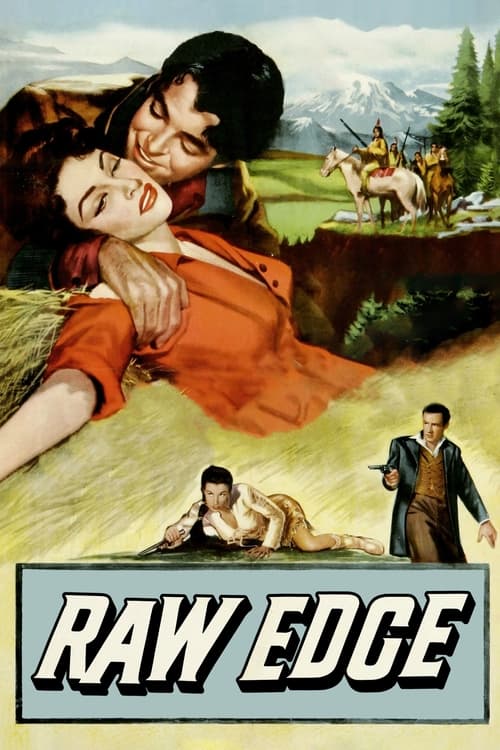
Raw Edge
1956
No user ratings available yet
Representation score: 1.3 out of 10

Representation Score
Minimal
1956
NRDirector
Stuart Heisler
Runtime
92 minutes
Average Rating
No ratings yetNew Showbiz Analysis
The Burning Hills exemplifies the mid-century Western genre, emphasizing traditional archetypes over social challenges. The story structure supports established hierarchies rather than questioning them. Representation is limited by the era’s standards. The film centers on a male-driven plot, leaving little room for diverse perspectives or multi-layered identities. Overall, the film studies frontier justice within a conventional social framework, engaging minimally with anything outside the dominant power structures of the 1950s.
Category Breakdown
The film strictly follows the social norms of the 1950s, where everyone is assumed to be straight and cisgender. There are no non-binary gender identities or same-sex relationships.
The male protagonist has the most influence and control over the story. Female characters play supporting roles that help stabilize the male lead’s journey.
The cast is mostly white with very few characters of color. The film reflects typical mid-century depictions of the American frontier, focusing on white settlers.
The story follows a traditional Western moral framework centered around individual justice and frontier survival. It emphasizes protecting property rights over broader social critiques.
There are no significant portrayals of physical or neurodivergent disabilities that affect the story or character development.
Present on Screen
Limited or Absent
Official Synopsis
When Trace Jordan's brother is murdered by members of the land-grabbing Sutton family, he vows to report this injustice to the nearest Army fort.
1956

1939
1954
1930
1945
1956
1951
1971
No reviews yet. Be the first to share your thoughts on this movie!
Use the rating form above to leave a star rating and optional review.