The Silence of the Mole
2021
No user ratings available yet
Diversity score: 7.6 out of 10
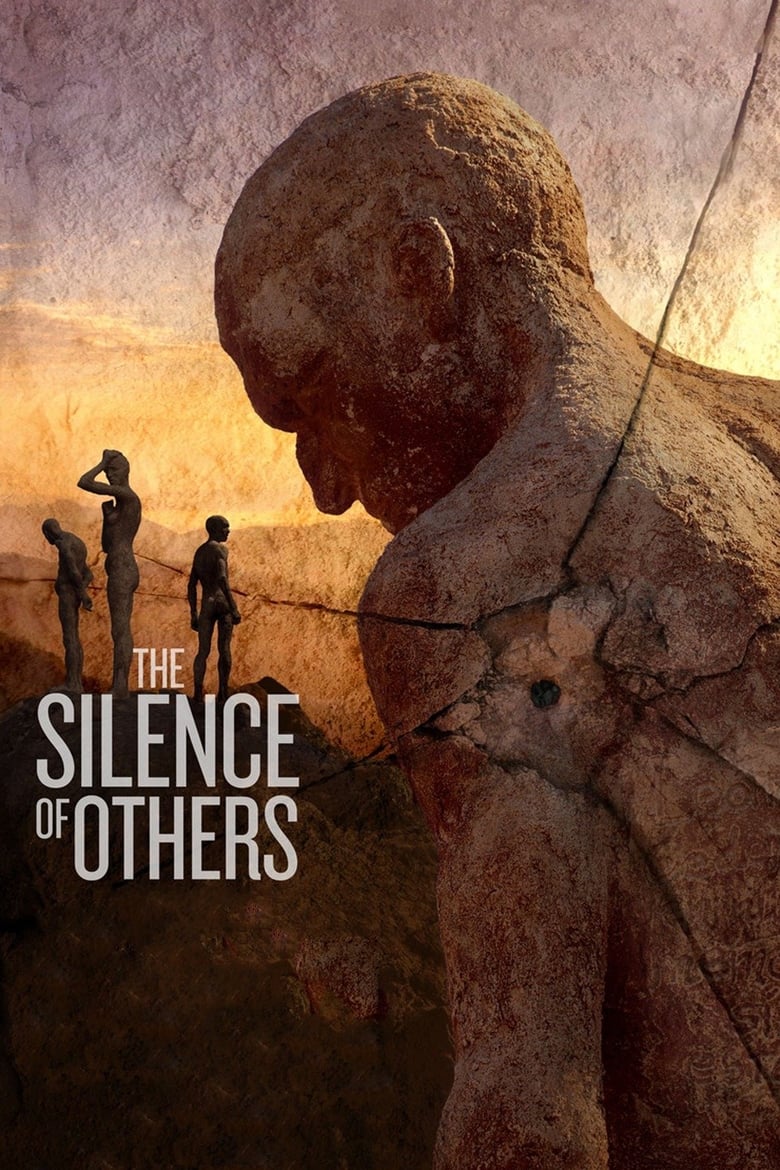
2019
Director
Almudena Carracedo, Robert Bahar
Runtime
95 minutes
Average Rating
No ratings yetSynopsis
The story of the tortuous struggle against the silence of the victims of the dictatorship imposed by General Franco after the victory of the rebel side in the Spanish Civil War (1936-1975). In a democratic country, but still ideologically divided, the survivors seek justice as they organize the so-called “Argentinian lawsuit” and denounce the legally sanctioned pact of oblivion that intends to hide the crimes they were subjects of.
Overall Score
Good
Category Breakdown
LGBTQ+ Representation
The film engages with sexual identity indirectly by critiquing the heteronormative and patriarchal structures of the Church. It examines how rigid gender and sexual norms are weaponized by authority figures to facilitate abuse.
Gender Representation
The narrative dismantles traditional hierarchies by exposing the predatory nature of male-dominated religious and state institutions. It shifts moral weight to survivors, portraying traditional masculine authority as corrupt and incompetent.
Racial & Ethnic Diversity
Racial diversity is limited by the specific historical context of the Franco dictatorship in Spain. However, the film avoids a monolithic view by highlighting the diverse socioeconomic backgrounds of the victims.
Religious & Cultural Diversity
The documentary offers a profound critique of the Catholic Church and the Francoist state. It deconstructs national patriotism and institutional sanctity to champion the truth of the marginalized.
Disability Representation
The film provides depth regarding invisible disabilities, specifically psychological and emotional trauma. It portrays survivors as active agents navigating the legal system rather than mere subjects of pathos.
Strengths
Areas for Improvement
AI Analysis
The Silence of Others excels at deconstructing institutional power, specifically targeting the moral authority of the Church and the Francoist state. By reframing historical order as a mechanism of oppression, the film empowers marginalized voices. While the film is deeply rooted in a specific Spanish historical context, it achieves high marks for its cultural critique. It successfully challenges traditionalist social cohesion and the 'pact of oblivion' that protects systemic crimes. However, the focus on a specific era and legal struggle naturally limits racial intersectionality. The engagement with LGBTQ+ themes remains indirect, focusing more on the structures that enforce heteronormativity than on specific identity narratives.
2021
2007
2018
1979

1976

2022
1997
1986
2018
2015
1963
1979
No reviews yet. Be the first to share your thoughts on this movie!
Use the rating form above to leave a star rating and optional review.