
I Love Pinochet
2001
No user ratings available yet
Representation score: 8.7 out of 10
Representation Score
Excellent
2007
Director
Carmen Castillo
Runtime
163 minutes
Average Rating
No ratings yetNew Showbiz Analysis
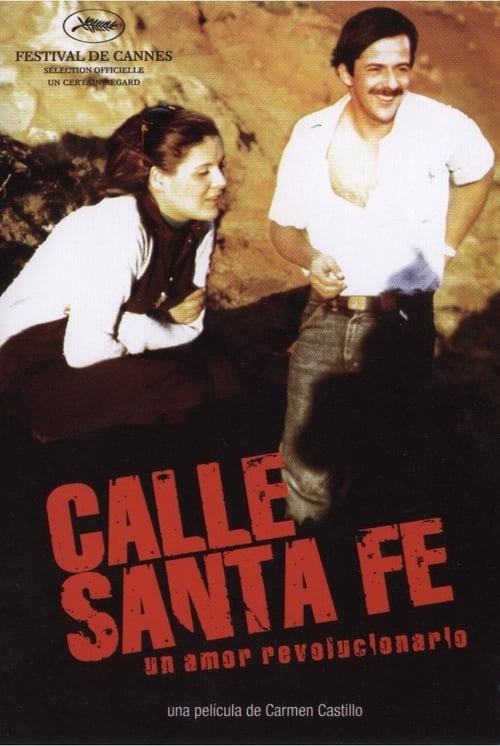
Calle Santa Fe serves as a vital reclamation of history, shifting the focus from state-sanctioned records to the lived experiences of those impacted by the Pinochet dictatorship. By centering a female survivor, the film successfully challenges traditional patriarchal historical narratives. The documentary excels in its cultural framing, offering a necessary Global South perspective that challenges Western-centric historical hegemony. It effectively deconstructs state authority by elevating the voices of the defeated. While the film provides strong gender and cultural representation, it lacks explicit detail regarding LGBTQ+ identities. The portrayal of disability is present through the protagonist's physical trauma, though the depth of this representation remains tied to her broader political journey.
Category Breakdown
The film does not explicitly mention LGBTQ+ identities or non-straight relationships. However, its focus on the memories of the defeated suggests a potential for exploring diverse forms of intimacy within political resistance.
By centering Carmen, a woman navigating physical trauma and loss, the film challenges patriarchal historical accounts. It prioritizes women's ability to drive the story and their endurance over traditional narratives that focus solely on male combatants.
The documentary prioritizes Latin American perspectives by centering the Chilean struggle against the Pinochet dictatorship. This provides a necessary counter-narrative to Anglo-centric historical frameworks and Western-dominated perspectives.
The film offers high levels of progressive cultural framing by critiquing oppressive state institutions. It utilizes historical revisionism to prioritize the voices of the oppressed over official state records.
The narrative follows Carmen, who was badly injured during the political conflict. This focus suggests a portrayal of physical vulnerability and the long-term implications of trauma through a lens of ability to act.
Present on Screen
Limited or Absent
Official Synopsis
October 5, 1974: In the suburbs of Santiago, pregnant Carmen is badly injured and her partner Miguel, head of the resistance against Pinochet's dictatorship, is killed in combat. So begins a journey into the memories of the defeated...
2001

2010
1994
2017
2011
1985
1998
2018
No reviews yet. Be the first to share your thoughts on this movie!
Use the rating form above to leave a star rating and optional review.