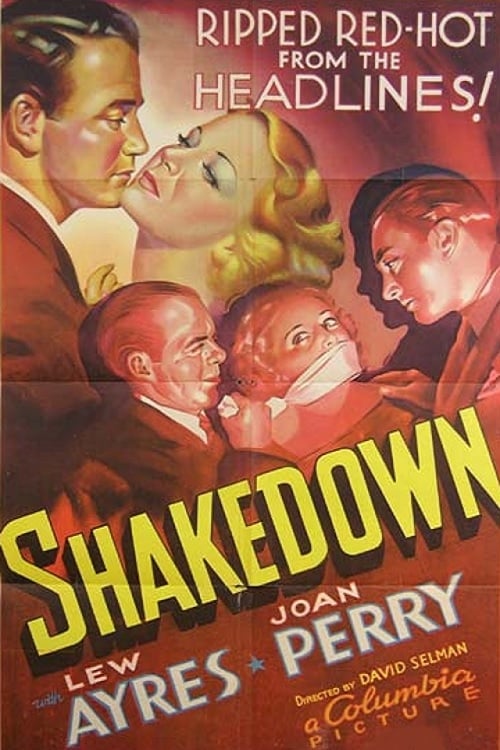
Shakedown
1936
No user ratings available yet
Representation score: 1.1 out of 10
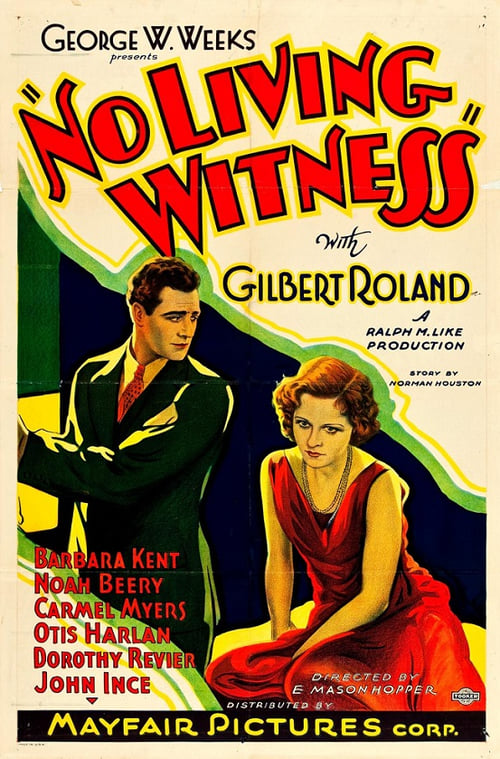
Representation Score
Minimal
1932
PassedDirector
E. Mason Hopper
Runtime
67 minutes
Average Rating
No ratings yetNew Showbiz Analysis
No Living Witness is a conventional 1930s crime-action film that prioritizes genre clichés over social complexity. The plot centers on a male protagonist defending legal and financial institutions from a racetrack scam. The film adheres to the era's standard social hierarchies. It lacks depth in reflecting multiple aspects of identity, focusing instead on traditional notions of justice, property, and gender roles. Ultimately, the work functions as a standard studio production that reinforces established social norms rather than challenging them.
Category Breakdown
The film follows a heterosexual relationship between the protagonist and his girlfriend. There is no representation of non-traditional gender identities or critiques of societal norms.
The story revolves around a male assistant district attorney in a position of authority. The female lead serves mainly as a motivation for the hero rather than having her own independent role.
The film likely reflects the homogeneous casting norms of the 1932 studio system. There is no mention of a diverse cast or non-Anglo-Saxon characters.
The narrative emphasizes Western values regarding capitalism and the rule of law. It prioritizes the protection of private property and the preservation of legal order.
There is no information regarding the inclusion or portrayal of characters with physical or neurodivergent disabilities.
Present on Screen
Limited or Absent
Official Synopsis
An assistant district attorney tries to stop his girlfriend's father from being swindled out of his money by a crooked lawyer in a racetrack scam.
1936
1934

1937

1937
1932

1930
1937
1926
No reviews yet. Be the first to share your thoughts on this movie!
Use the rating form above to leave a star rating and optional review.