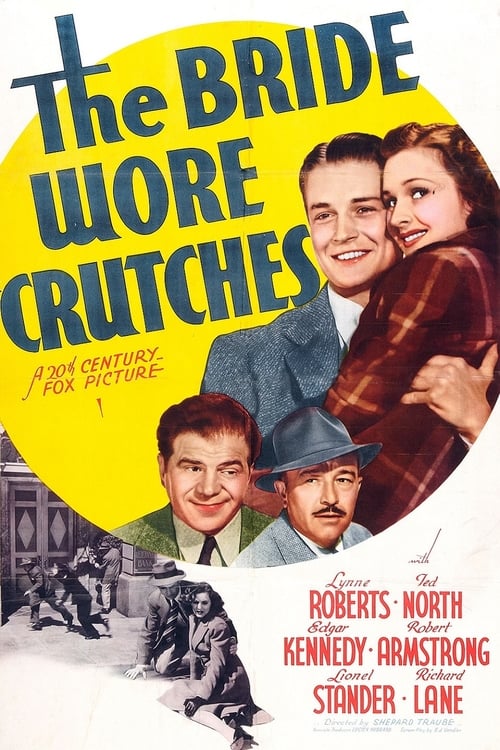
The Bride Wore Crutches
1940
No user ratings available yet
Representation score: 3.3 out of 10
Representation Score
Minimal
1932
PassedDirector
Louis King
Runtime
60 minutes
Average Rating
No ratings yetNew Showbiz Analysis
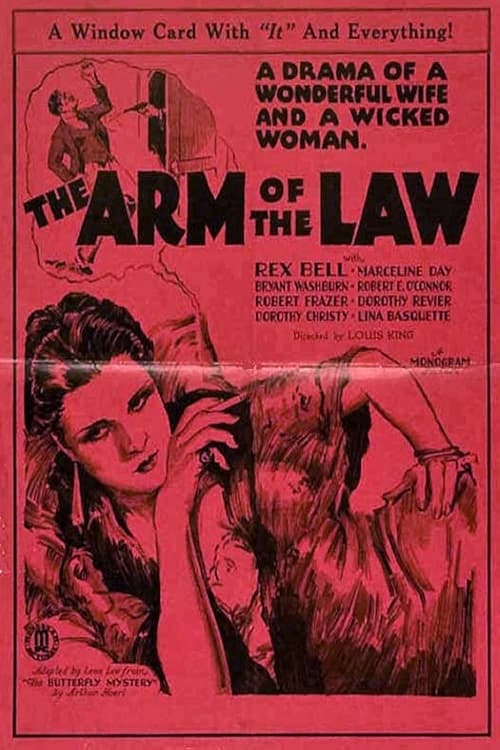
The Arm of the Law is a conventional 1932 crime procedural that adheres strictly to the social and cinematic norms of its time. The plot is driven by male protagonists, relegating female characters to secondary, reactive roles. Diversity is limited, as the film presents a homogeneous London setting without diverse casting or representation of disability and LGBTQ+ identities. The story functions to uphold the authority of Western legal institutions rather than challenging them. Ultimately, the film serves as a standard genre piece reflecting the era's lack of progressive narrative subversion.
Category Breakdown
The film does not include any characters with LGBTQ+ identities. There is no indication of queer subtext or same-sex relationships.
The male reporter and detective have significant roles in driving the story. The female nightclub singer is primarily a victim and a plot device, lacking substantial autonomy.
The film depicts a homogeneous London underworld. There is no evidence of non-white or non-Anglo-Saxon actors in this localized crime drama.
The story upholds traditional Western institutional values and the authority of the police. It emphasizes restoring social order through established legal means.
The film does not feature any characters with visible or invisible disabilities. Neurodivergent or physically disabled individuals are not represented.
Present on Screen
Limited or Absent
Official Synopsis
A reporter and a detective team up to solve the murder of a nightclub singer who had been involved in a divorce scandal.
1940
1934

1946
1941

1937
1936
1926
1941
No reviews yet. Be the first to share your thoughts on this movie!
Use the rating form above to leave a star rating and optional review.