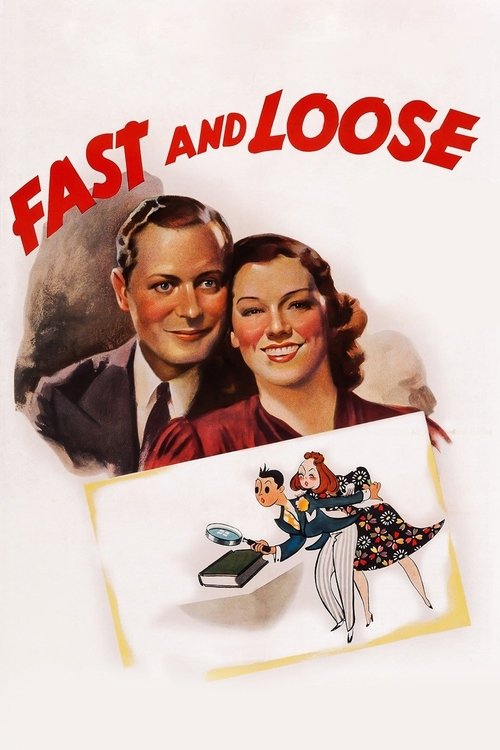
Fast and Loose
1939
No user ratings available yet
Representation score: 1.8 out of 10
Representation Score
Minimal
1937
ApprovedDirector
George B. Seitz
Runtime
70 minutes
Average Rating
No ratings yetNew Showbiz Analysis
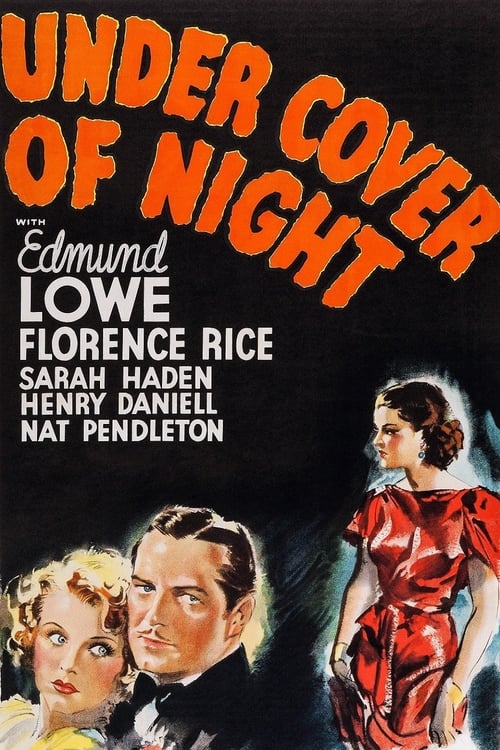
Under Cover of Night is a traditional mystery-action comedy that adheres to the standard narrative frameworks of the Yöntem 1930s. The plot centers around a detective pursuing a criminal academic, a structure that aligns with the conventional morality plays of early Hollywood. While the film touches on the theft of intellectual property and the erasure of a woman's contributions, it lacks nuanced character development. The narrative prioritizes genre mechanics and linear progression over any intentional social critique. Ultimately, the film reflects the social hierarchies and narrative constraints of its era, focusing on established clichés rather than diverse representation or the disruption of social norms.
Category Breakdown
The film does not include any characters with LGBTQ+ identities or explore issues related to sexual orientation or gender identity.
A woman's intellectual work is stolen and her life is taken, highlighting themes of gendered exploitation. She primarily serves as a catalyst for the male protagonist's journey rather than having an active role in driving the story.
The cast is predominantly white and homogeneous, typical of 1930s studio films. There are no characters of color with significant roles or ability to act.
The narrative emphasizes traditional Western structures of justice and authority. A detective acts as the main instrument of moral order without delving into secular or anti-institutional themes.
The film does not depict any characters with physical or neurodivergent disabilities.
Present on Screen
Limited or Absent
Official Synopsis
A detective (Edmund Lowe) trails a professor (Henry Daniell) who stole credit for his wife's research, then killed her.
1939
1934
1935
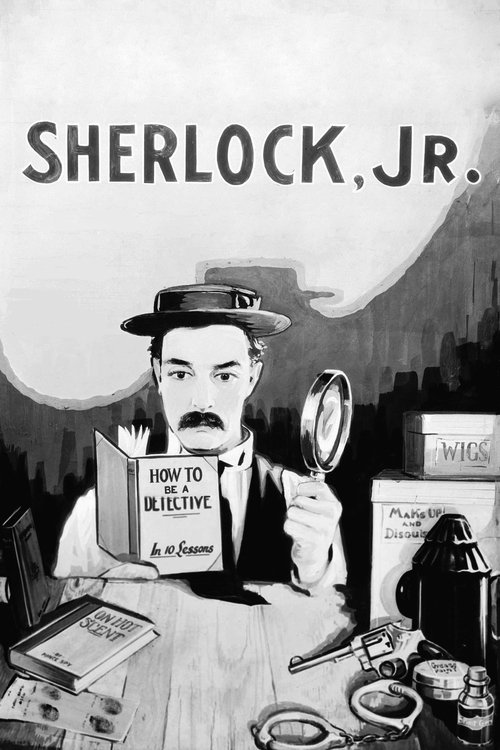
1924

1932
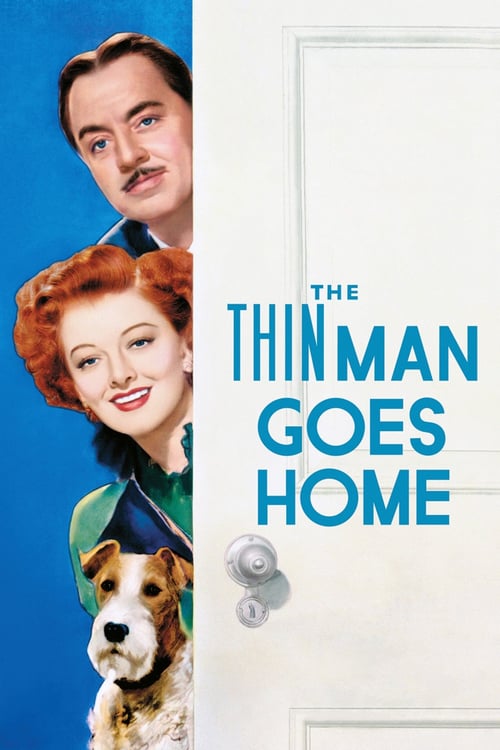
1944
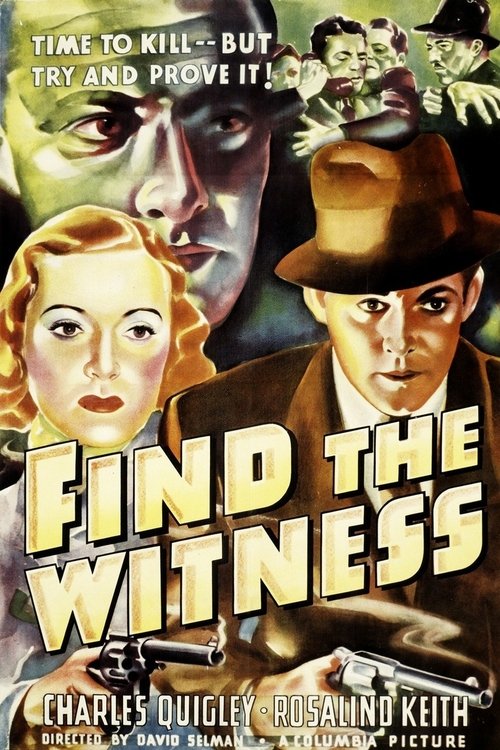
1937
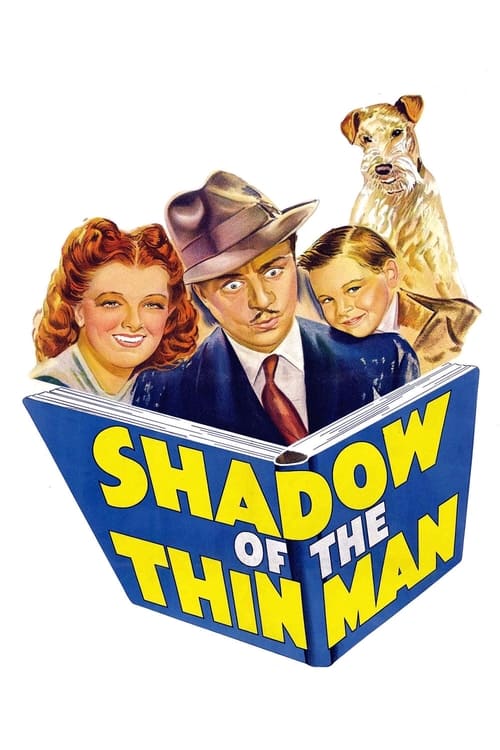
1941
No reviews yet. Be the first to share your thoughts on this movie!
Use the rating form above to leave a star rating and optional review.