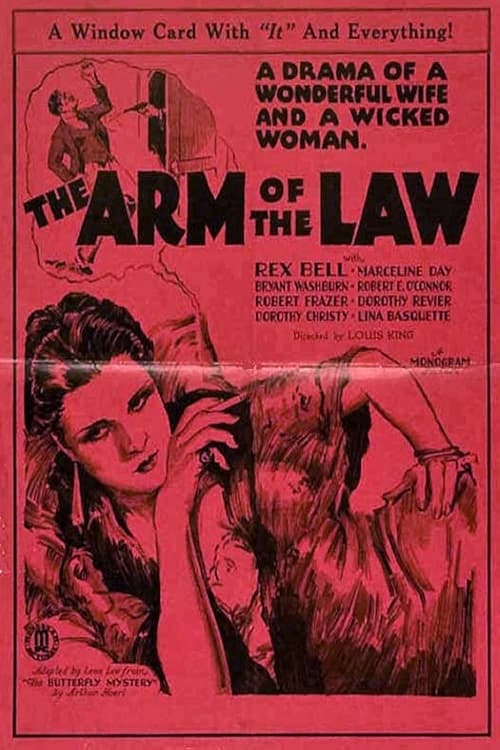
The Arm of the Law
1932
No user ratings available yet
Representation score: 0.5 out of 10

Representation Score
Minimal
1937
PassedDirector
William Clemens
Runtime
61 minutes
Average Rating
No ratings yetNew Showbiz Analysis
Missing Witnesses is a typical product of the 1930s studio system, prioritizing genre clichés over narrative complexity. The film focuses on a male-driven crime procedural set in New York City, reinforcing the era's traditional social hierarchies. Because the story centers on law enforcement and racketeering, it lacks the intentionality needed to disrupt established norms. The representation remains localized and conventional, offering little in the way of diverse perspectives.
Category Breakdown
The film does not include any LGBTQ+ characters or stories that challenge the assumption that everyone is straight or cisgender. It follows the strict social and cinematic norms of 1937.
The plot centers around a detective and a sidekick, emphasizing masculine archetypes of law enforcement. There are no female characters with significant roles in driving the story.
Set in 1930s New York, the film appears to follow the era's trend of homogeneous white casts. No characters of color play significant roles in the narrative.
The story follows a conventional law-and-order framework focused on fighting racketeering. It supports traditional social structures without challenging them.
There is no evidence of characters with visible or invisible disabilities within the narrative.
Present on Screen
Limited or Absent
Official Synopsis
A detective and his bumbling sidekick join the crackdown on racketeering in '30s New York City.
1932
1934
1933
1940
1927
1939
1935
1928
No reviews yet. Be the first to share your thoughts on this movie!
Use the rating form above to leave a star rating and optional review.