Fool's Gold
1946
No user ratings available yet
Diversity score: 1.8 out of 10
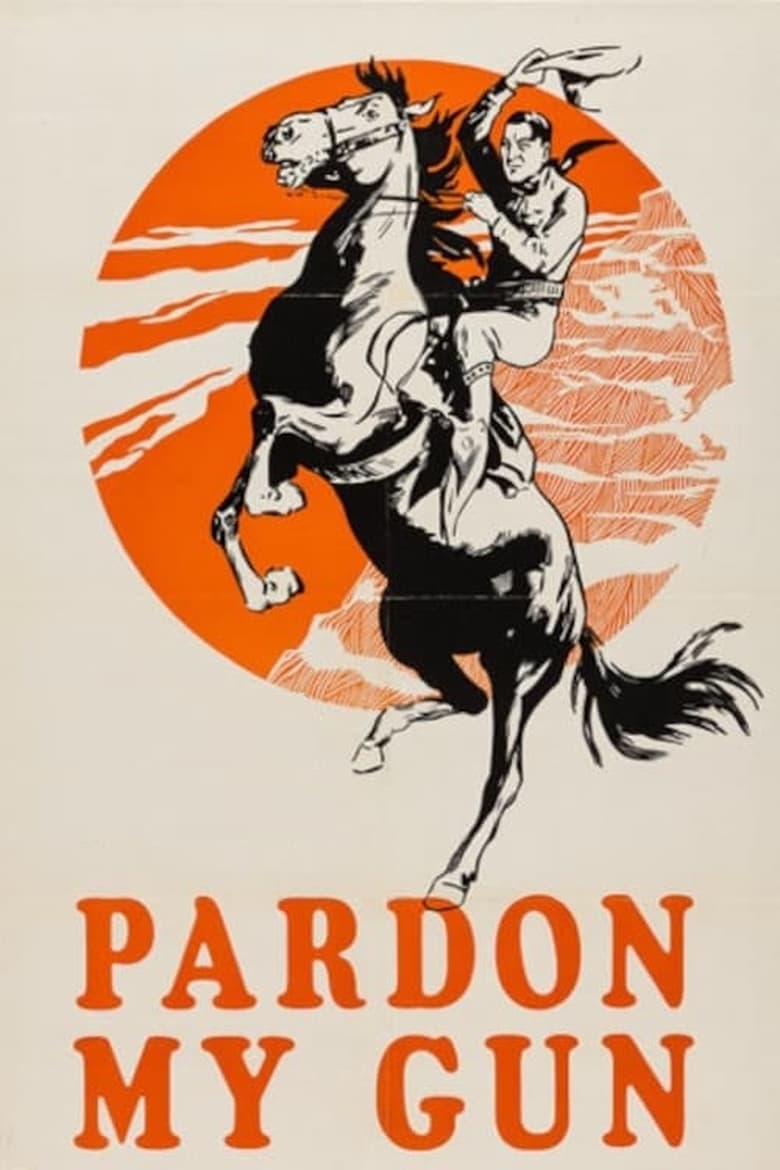
1930
PassedDirector
Robert De Lacey
Runtime
67 minutes
Average Rating
No ratings yetSynopsis
Ted is riding for Pa Martin against Cooper in the big race. When Cooper has his men capture Ted, Peggy overhears them and sets out to free Ted in time for the race.
Overall Score
Minimal
Category Breakdown
LGBTQ+ Representation
The film lacks any evidence of non-heteronormative identities or same-sex intimacy. It relies on the traditional romantic or platonic archetypes typical of the early 1930s.
Gender Representation
Peggy shows agency by attempting to rescue Ted, yet her role remains reactive to the male-driven conflict. The central plot of the big race is driven primarily by the men.
Racial & Ethnic Diversity
The cast appears homogeneous, with character names suggesting a lack of racial or ethnic diversity. There is no indication of non-Anglo-Saxon representation in the narrative.
Religious & Cultural Diversity
The story operates within a conventional Western framework. It lacks any critique of systemic power or deconstruction of Western institutions, favoring standard genre tropes instead.
Disability Representation
There are no characters identified with visible or invisible disabilities. The narrative does not address disability in any capacity.
Strengths
Areas for Improvement
AI Analysis
Pardon My Gun is a product of its era, adhering strictly to the action-comedy conventions of 1930. The narrative follows a predictable hero-centric structure centered on a race, a kidnapping, and a subsequent rescue mission. The film lacks intersectional complexity, offering little to no representation for marginalized groups. It functions as a standard genre piece that reinforces the social hierarchies and casting patterns common to early sound-era filmmaking. While the female lead provides a moment of active intervention, the film's core momentum remains tied to traditional male-dominated competition and conflict.
1946
1935
1936

1933
1927
1927
No reviews yet. Be the first to share your thoughts on this movie!
Use the rating form above to leave a star rating and optional review.