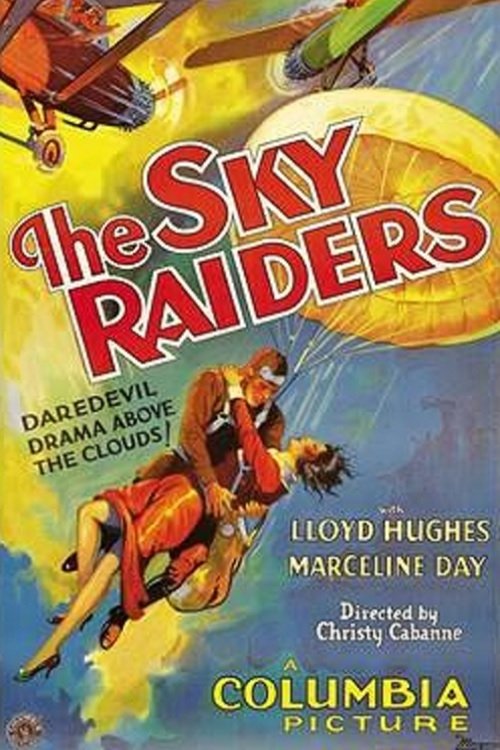
The Sky Raiders
1931
No user ratings available yet
Representation score: 1.3 out of 10

Representation Score
Minimal
1926
Director
Richard E. Norman
Runtime
65 minutes
Average Rating
No ratings yetNew Showbiz Analysis
The Flying Ace is a conventional silent-era action piece that reinforces the social norms of its time. The narrative is centered around a male war hero whose identity is defined by physical competence and professional authority within a corporate structure. Representation is limited, as the film follows the homogeneous casting and traditional gender norms of 1920s Hollywood. It serves to reinforce Western institutional values rather than critique them. Overall, the film lacks diversity across most categories, focusing instead on a singular, traditional archetype of heroism and the protection of capitalist interests.
Category Breakdown
The film does not include any characters with non-straight or non-cisgender identities. It follows the traditional heterosexual norms typical of 1920s action-adventure movies.
The story focuses on a male protagonist, highlighting masculine ideals of heroism and physical strength. It emphasizes traditional gender roles by centering on male-driven action and professional authority.
The production adheres to the homogeneous casting practices of 1920s American filmmaking. There is no evidence of a diverse cast or significant roles for non-white actors.
The narrative upholds traditional Western institutional values and the protection of private property. It presents a restorative justice model that reinforces existing social and economic structures.
There is no evidence of characters with visible or invisible disabilities. The film does not address disability within its narrative.
Present on Screen
Limited or Absent
Official Synopsis
A veteran World War I fighter pilot returns home a war hero and immediately regains his former job as a railroad company detective. His first case: recover a stolen satchel filled with $25,000 of company payroll, locate a missing employee, and capture a gang of railroad thieves.
1931
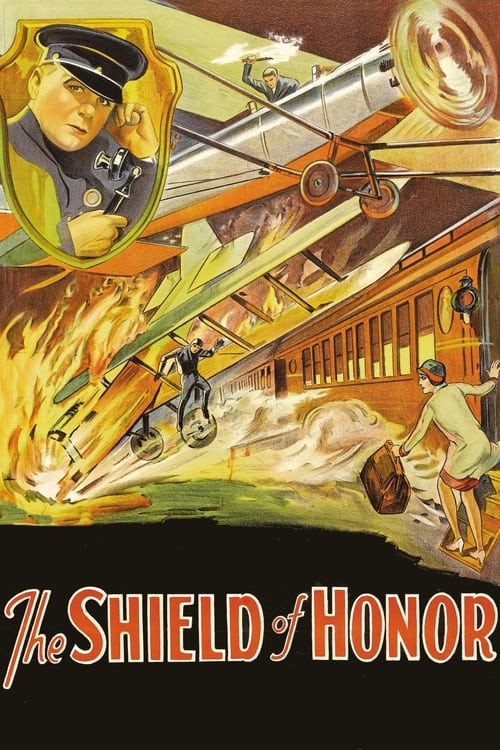
1927

1926
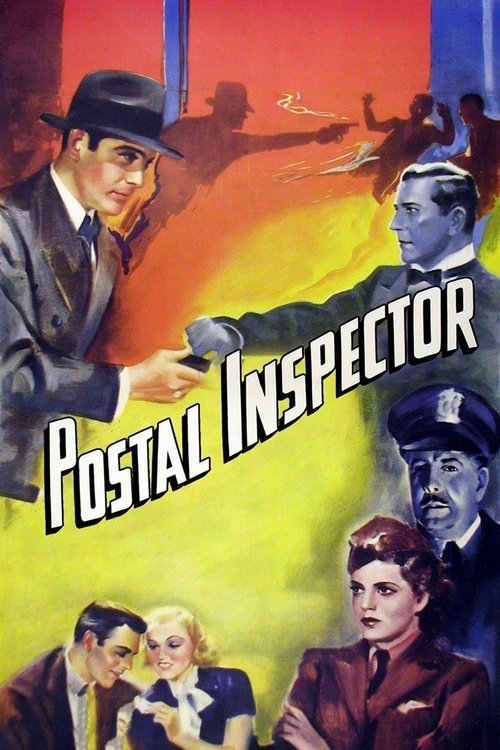
1936
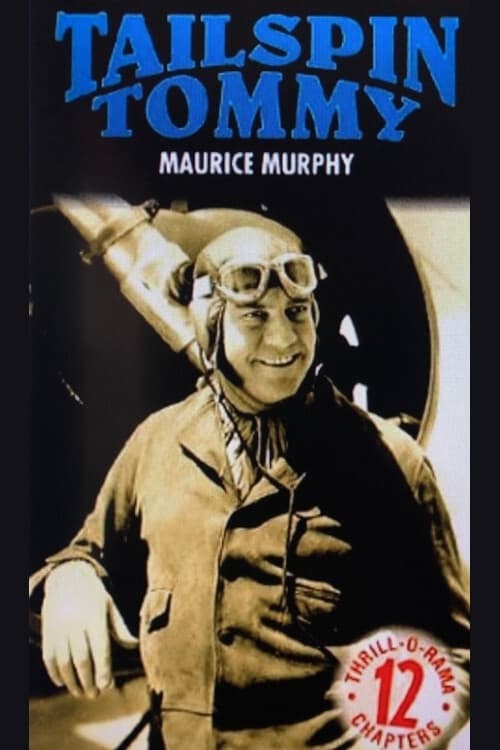
1934
1923
1933

1934
No reviews yet. Be the first to share your thoughts on this movie!
Use the rating form above to leave a star rating and optional review.