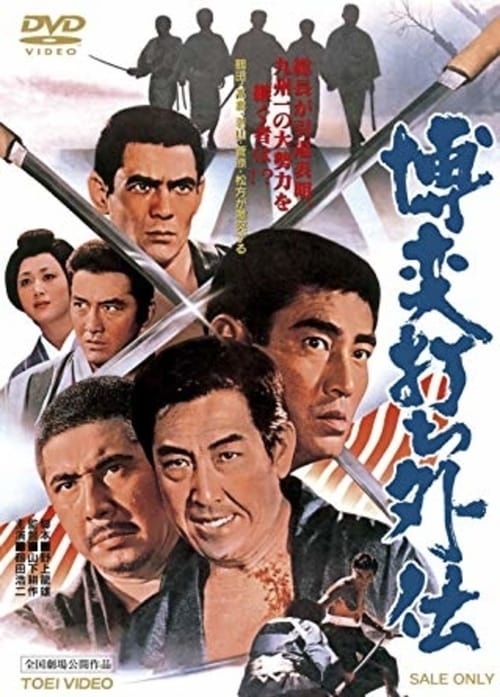
The Pledge
1972
No user ratings available yet
Representation score: 2.7 out of 10
Representation Score
Limited
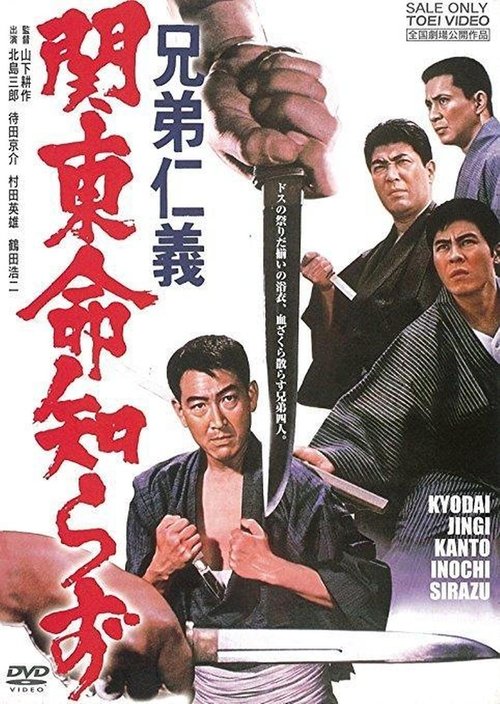
1967
Director
Kōsaku Yamashita
Runtime
89 minutes
Average Rating
No ratings yetNew Showbiz Analysis
Code Between Brothers 5 is a classic film that upholds traditional masculine hierarchies and historical cultural norms. Its strength lies in its detailed exploration of the criminal 'family' structure and the subjective ethics within the yakuza underworld. However, the film lacks diversity in gender and ethnicity. The narrative is dominated by male-driven themes, with limited representation of diverse gendered or LGBTQ+ identities. The cast remains ethnically homogeneous, reflecting the cultural focus of the period. Ultimately, while the film offers a rich examination of the ethics of brotherhood and loyalty, it operates within a framework that does not fully embrace modern progressive representation.
Category Breakdown
The film emphasizes strong bonds between men but does not include non-straight or non-cisgender identities. There is no depiction of same-sex relationships or non-binary gender expressions.
The story centers around male-driven action and hierarchical structures within the yakuza underworld. Women play supporting roles but do not have the power to influence the main storyline.
Set in the early 20th century, the film features a cast that is ethnically uniform, reflecting the cultural context of the time.
The film delves into the intricate ethical dilemmas within the criminal 'family' structure, highlighting the nuances of loyalty and honor within this subculture.
The narrative does not feature any characters with visible or invisible disabilities, so there is no representation of disabled individuals.
Present on Screen
Limited or Absent
Official Synopsis
Saburo Kitajima, one of Japan’s most famous Enka singers, returns in the fifth of the Kyodai Jingi series. During the early 20th century, Ryuji from Asakusa, a wandering yakuza, joins the Narumi Family in Yokohama. However, when he confronts Shiotaro, the head of the rival family, Ryuji takes a liking to him. He ends up leaving his current family, and becomes close to Shiotaro like brothers swearing to become a full-fledged yakuza.
1972
1996
1985
1973
1960
2006
1973
1973
No reviews yet. Be the first to share your thoughts on this movie!
Use the rating form above to leave a star rating and optional review.