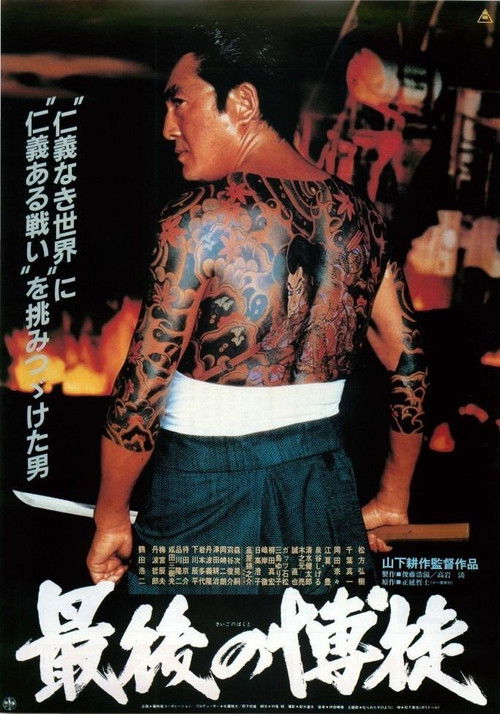
The Last True Yakuza
1985
No user ratings available yet
Representation score: 2.4 out of 10
Representation Score
Limited
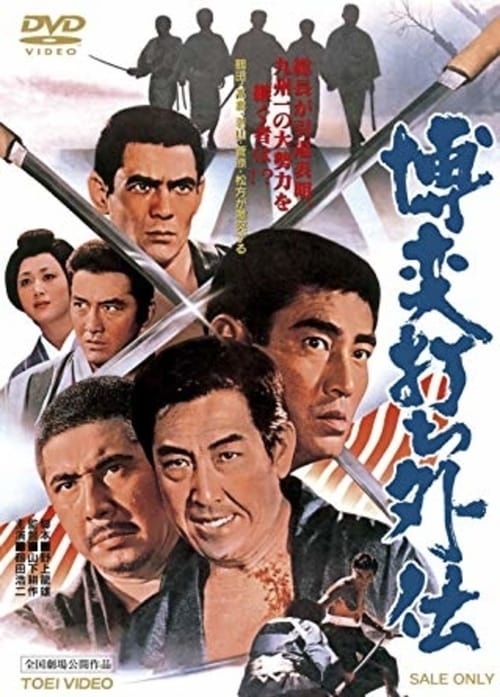
1972
Director
Kōsaku Yamashita
Runtime
103 minutes
Average Rating
No ratings yetNew Showbiz Analysis
The Pledge is a period-specific crime drama that adheres strictly to the conventions of the Yakuza genre. Its narrative structure is centered on patriarchal structures, focusing on family succession and masculine power struggles. Because the film centers on established social hierarchies and factional loyalty, it offers little room for challenging traditional roles and cultural archetypes of the era. Ultimately, the film functions as a study of organized crime rather than a vehicle for diverse identity representation.
Category Breakdown
The film does not include any characters with non-straight sexual orientations or gender identities. The story revolves around a patriarchal lineage and masculine hierarchy typical of 1970s crime cinema.
The story primarily focuses on male protagonists and their roles in succession and factional warfare. Female characters are present but have less influence on the plot.
The film maintains a homogeneous ethnic focus consistent with its Japanese setting. It does not feature diverse ethnic representation beyond the domestic context.
The story explores the Yakuza archetype and traditional social structures. It emphasizes concepts of honor and loyalty rather than critiquing established social hierarchies.
There is no documented evidence regarding the portrayal of physical or neurodivergent disabilities in this film.
Present on Screen
Limited or Absent
Official Synopsis
When Omuro Yahachi of the Omuro family is selected as Mutsumikai Soke's successor, the conflict between the Kitakyushu and Wakamatsu begins.
1985
1973
1967
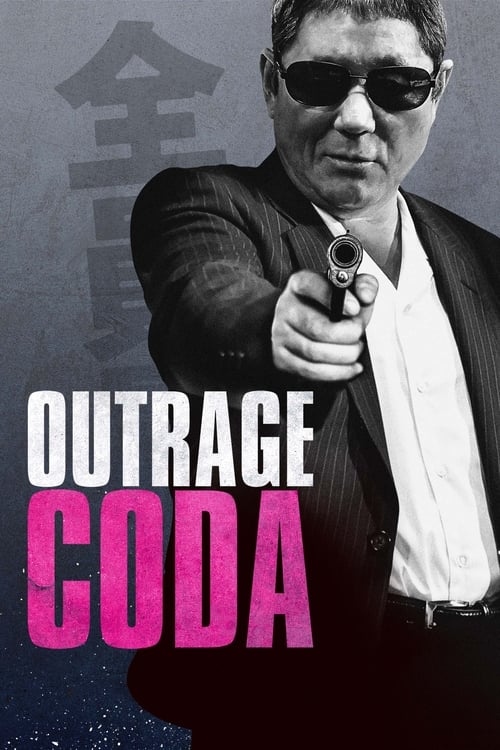
2017
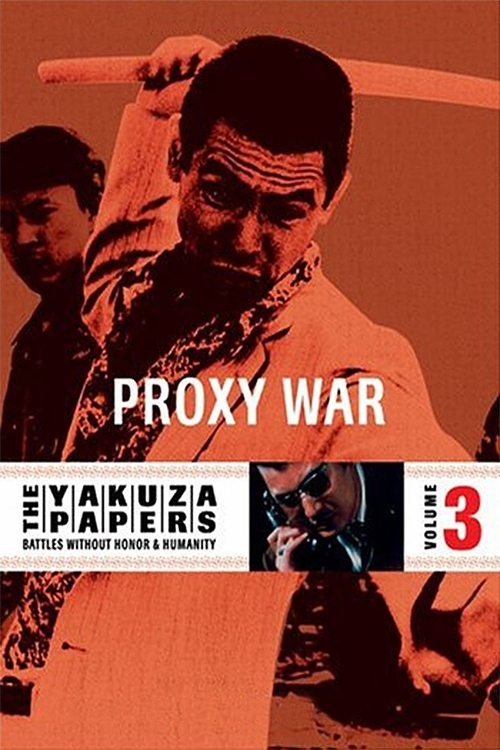
1973
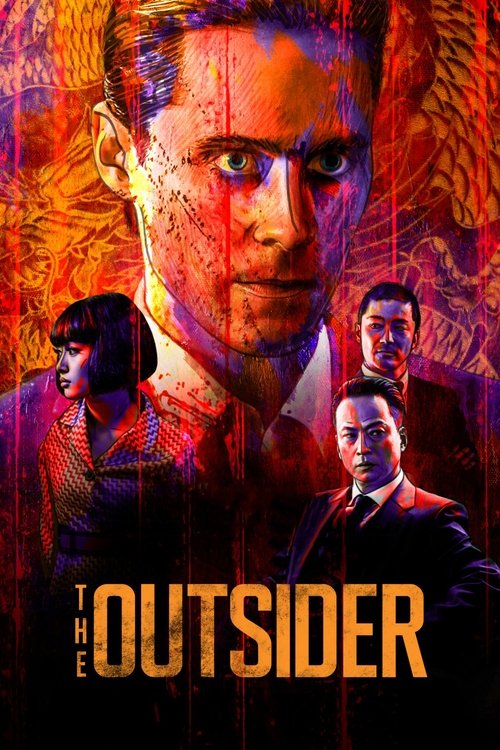
2018
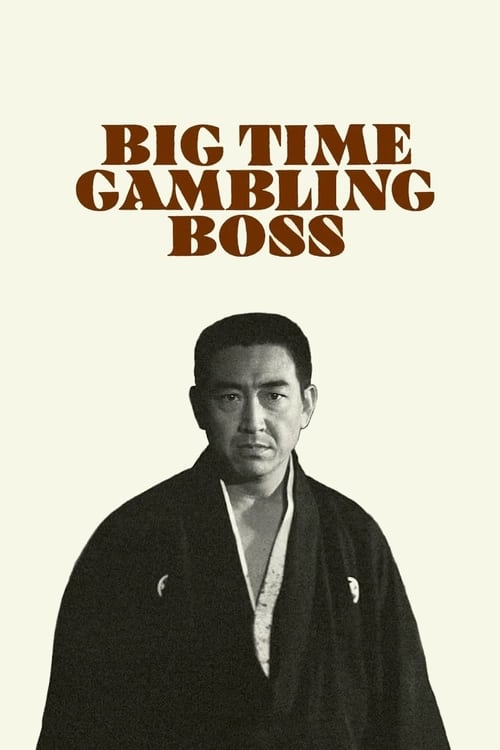
1968
1974
No reviews yet. Be the first to share your thoughts on this movie!
Use the rating form above to leave a star rating and optional review.