Citizen King
2004
No user ratings available yet
Representation score: 6.4 out of 10
Representation Score
Limited
1970
Director
Sidney Lumet, Joseph L. Mankiewicz
Runtime
185 minutes
Average Rating
No ratings yetNew Showbiz Analysis
This documentary serves as a crucial historical record that challenges traditional narratives by highlighting the ability to act of Black Americans. It effectively critiques white supremacy and the Jim Crow legal framework through historical speeches and newsreel footage. While the film excels in its portrayal of racial and cultural diversity, it remains focused on the patriarchal leadership styles of the time. The emphasis on male-driven oratory limits the gender diversity in the primary narrative structure. Overall, the film stands as a powerful study of systemic struggle, emphasizing how underrepresented groups actively challenged established power dynamics to bring about social change.
Category Breakdown
The documentary focuses solely on the mid-century Civil Rights Movement and does not include any LGBTQ+ characters or narratives in the archival footage or celebrity narrations.
The film emphasizes the patriarchal leadership of Dr. Martin Luther King Jr., but it also includes footage of women participating in marches and community organizing, providing a nuanced view of gendered involvement.
The documentary centers Black American activists and citizens, presenting them as the primary architects of social progress rather than passive recipients of change.
The documentary highlights the Black church as a central hub for community mobilization and resistance, offering a sophisticated critique of how Western institutions enforced racial hierarchies.
There are no specific depictions of characters with visible or invisible disabilities within the archival context.
Present on Screen
Limited or Absent
Official Synopsis
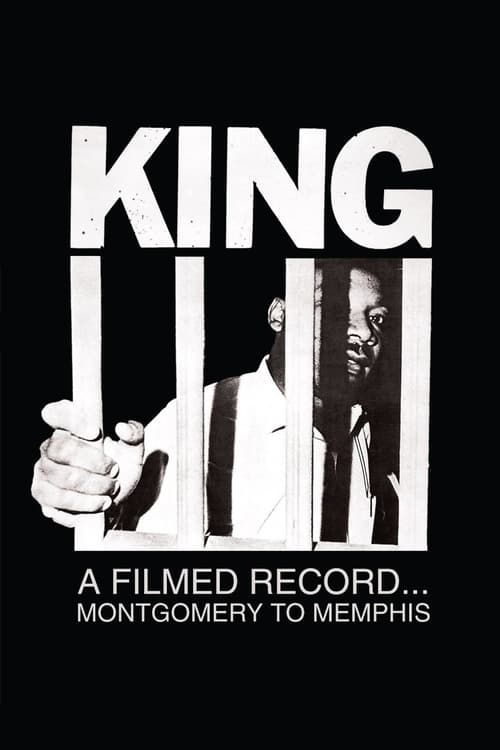
A presentation of key events in the life of civil rights activist Martin Luther King Jr. Beginning with the 1955 bus boycott in Montgomery, Alabama, MLK is followed through major steps in his struggle to promote racial equality. Including footage of King's stirring speeches, it is a fitting tribute to his legacy, and features clips narrated by a wide range of celebrities, including Harry Belafonte, Paul Newman Charlton Heston, Ruby Dee, Burt Lancaster, Anthony Quinn, Walter Matthau, Ben Gazzara, Clarence Williams III, Joanne Woodward, and James Earl Jones.
2004
1984
1972
2017
2016
2015
1994
2017
No reviews yet. Be the first to share your thoughts on this movie!
Use the rating form above to leave a star rating and optional review.