
Viva Villa!
1934
No user ratings available yet
Representation score: 1.8 out of 10
Representation Score
Minimal
1928
PassedDirector
Otis Thayer
Runtime
69 minutes
Average Rating
No ratings yetNew Showbiz Analysis
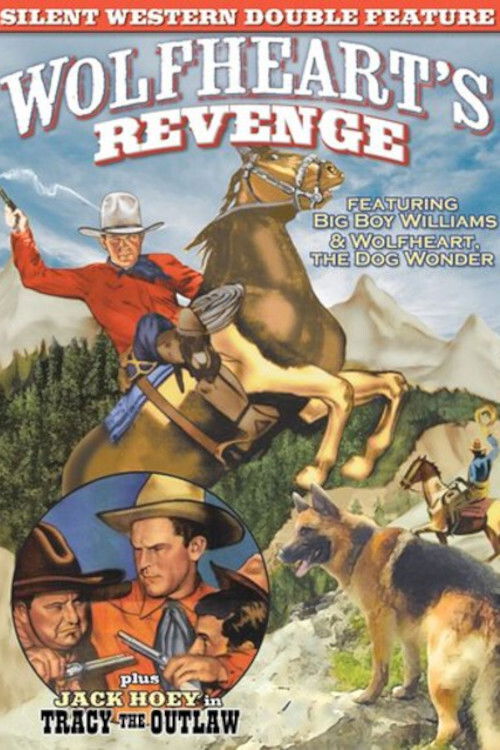
Tracy the Outlaw is a standard product of the late silent film era, functioning as a traditional biographical Western. It relies on the established genre conventions of the 1920s, which prioritize masculine dominance and frontier myths over social complexity. The film lacks depth in reflecting multiple aspects of identity, adhering to the period's social hierarchies. It presents a narrow view of the American West, centering on Anglo-Saxon perspectives and traditional romantic structures. Ultimately, the production serves to reinforce the era's status quo rather than challenging systemic power dynamics or offering diverse character's ability to drive the story.
Category Breakdown
The film does not include any characters with non-binary genders or same-sex relationships. It follows the strict assumption that everyone is straight and cisgender, typical of 1928 cinema.
The story centers on masculine archetypes of rugged individualism. Female characters likely serve as romantic interests or moral anchors rather than driving the plot.
The film reflects the homogeneous white perspectives common to early Hollywood. Non-white characters are likely relegated to peripheral or stereotypical roles within the frontier setting.
This biographical Western celebrates individualistic heroism and the American pioneer mythos. It reinforces traditional values regarding law and order rather than challenging them.
There is no evidence that disability or neurodivergence serves as a central theme. No characters appear to gain real power through these traits.
Present on Screen
Limited or Absent
Official Synopsis
A fictionalized biography of famed Western outlaw Harry Tracy.
1934
1939
1929

1939
1953
1930
1924
1939
No reviews yet. Be the first to share your thoughts on this movie!
Use the rating form above to leave a star rating and optional review.