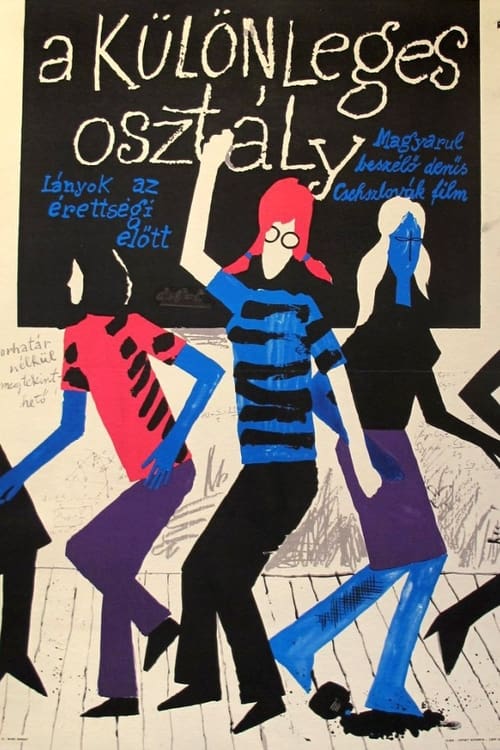
Neobyčejná třída
1965
No user ratings available yet
Representation score: 3.2 out of 10
Representation Score
Limited
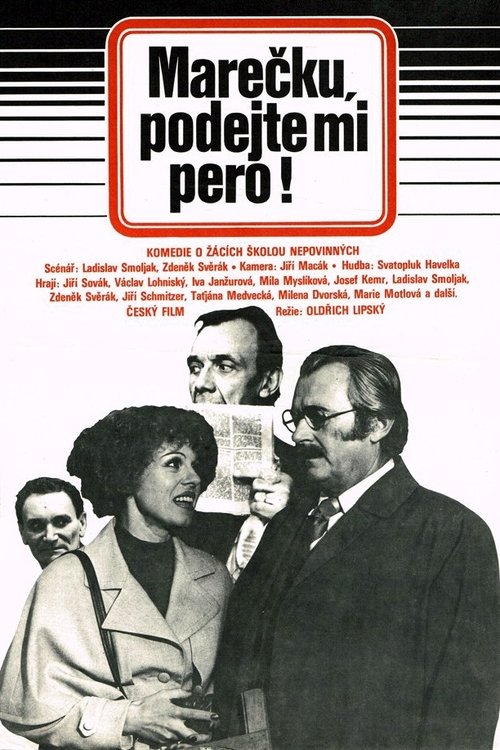
1976
Director
Oldřich Lipský
Runtime
91 minutes
Average Rating
No ratings yetNew Showbiz Analysis
This comedy serves as a satirical commentary on generational dynamics rather than a tool for modern diversity. Its primary strength lies in its disruption of traditional family hierarchies by placing a father and son in the same classroom, thus challenging the idea of absolute male authority. However, the film reflects the demographic limitations of its time and place, focusing on a male-centric, ethnically uniform society typical of 1970s Czechoslovak cinema. Ultimately, the film provides a subtle critique of social structures through the lens of class-based education and the deconstruction of the 'expert' figure, despite lacking contemporary diversity standards.
Category Breakdown
The film portrays a traditional family unit where everyone is assumed to be straight and cisgender. There are no characters or stories that explore LGBTQ+ identities.
The story focuses on a male-dominated relationship between a father and his son. It challenges traditional male authority by having the father and son switch roles, but it doesn't delve deeply into feminine roles or perspectives.
The film reflects the ethnic makeup of 1970s Czechoslovakia, showing a mostly homogeneous population. There is no diverse casting that includes different backgrounds.
The movie highlights the values of the working class and the importance of public education. It shows how collective learning can challenge rigid social roles.
The film does not include any characters with physical or cognitive disabilities.
Present on Screen
Limited or Absent
Official Synopsis
This comedy is about one average family. The father works as master in the factory and his son is studying on high school. One day father must start to visit the evening school. It's the same school as his son visiting. The lives both students are connecting together. The son must teach the math and physics his own father. The father getting to know, that the life of the students is not simple as he supposed.
1965
1983
1956
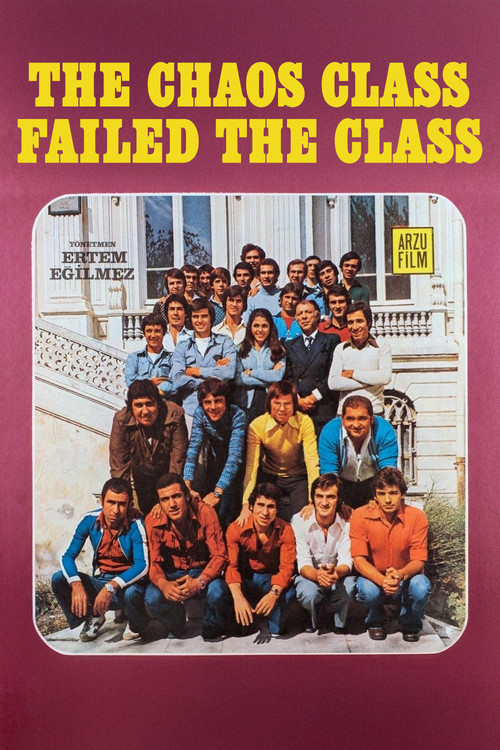
1976
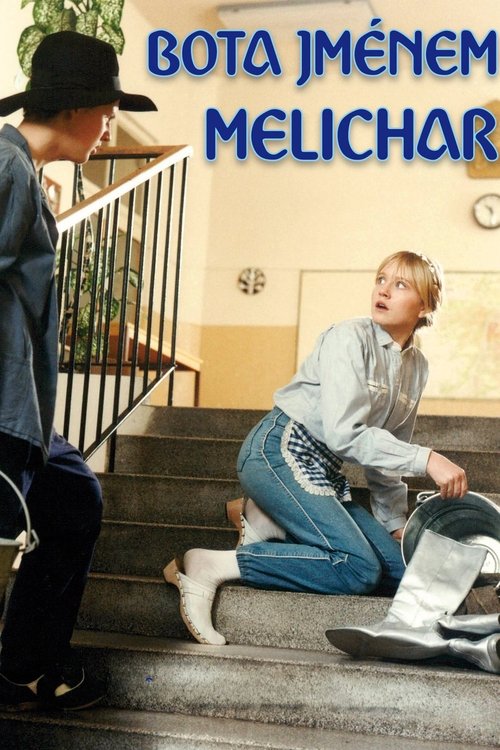
1983
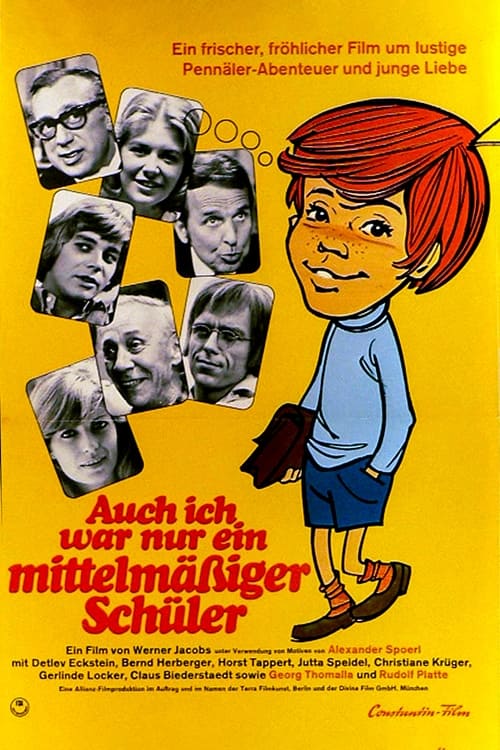
1974
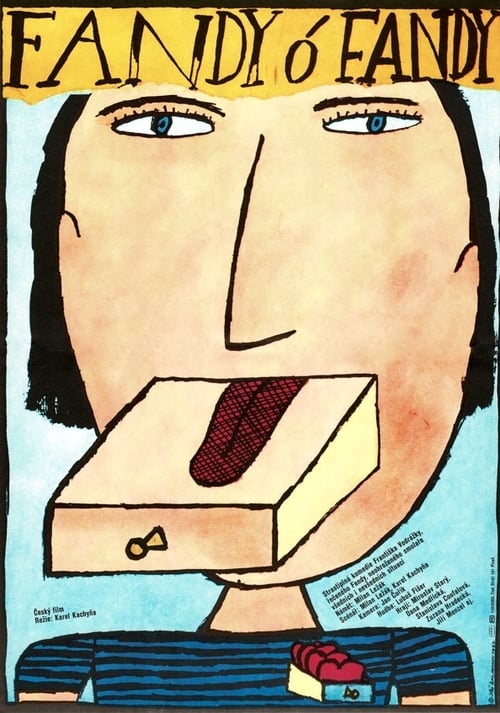
1983
1957
No reviews yet. Be the first to share your thoughts on this movie!
Use the rating form above to leave a star rating and optional review.