Zelená vlna
1982
No user ratings available yet
Representation score: 4.2 out of 10
Representation Score
Limited
1969
Director
Zdeněk Podskalský
Runtime
99 minutes
Average Rating
No ratings yetNew Showbiz Analysis
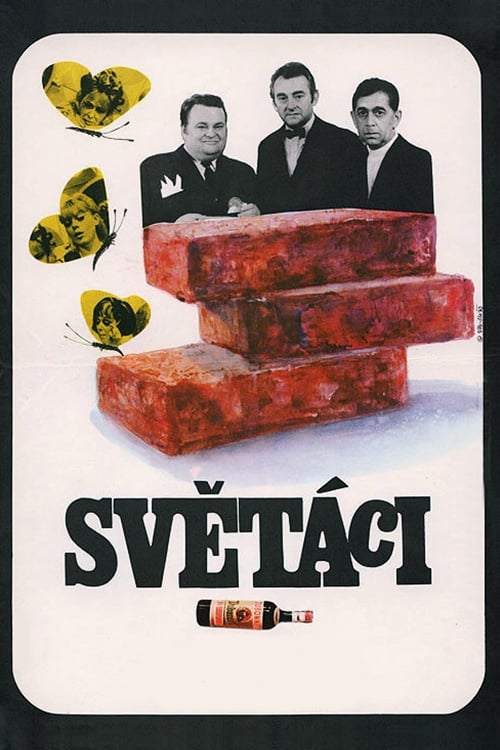
Men About Town is set in the specific historical and geographic context of 1969 Czechoslovakia, focusing on the social landscape of the time. The film’s emphasis on blue-collar workers in Prague highlights class and urban themes rather than modern identity politics. While the film lacks diverse representation such as racial or LGBTQ+ identities, it provides social commentary through satire. The film critiques institutional rigidity through the lens of the proletariat. Overall, the film reflects a localized, homogeneous social reality. It prioritizes male-centric social navigation and traditional gender roles typical of mainstream comedic output from that period.
Category Breakdown
The film does not include visible representation of LGBTQ+ identities. It centers on traditional masculine social dynamics within an urban environment.
The story emphasizes masculine camaraderie among three male blue-collar workers. Women may appear in romantic roles, but the main narrative revolves around male protagonists.
The cast appears ethnically uniform, reflecting the local social reality of 1969 Prague. There is no engagement with multiculturalism or racial diversity.
The film offers social critique through satire. It explores the tension between the working class and urban social structures in Czechoslovakia.
There is no documented evidence of characters with physical or neurodivergent disabilities in this production.
Present on Screen
Limited or Absent
Official Synopsis
Three blue collar workers have a night out in big city Prague.
1982
1967
1983
1975

1997
1970
1981
1936
No reviews yet. Be the first to share your thoughts on this movie!
Use the rating form above to leave a star rating and optional review.