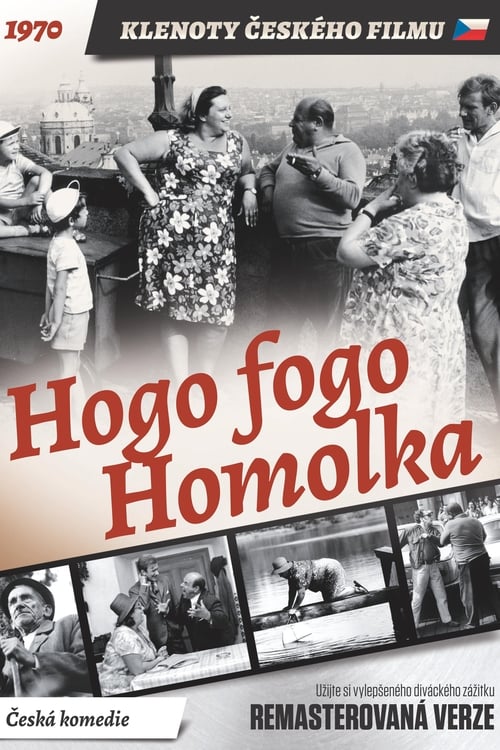
Hogo Fogo Homolka
1971
No user ratings available yet
Representation score: 4.2 out of 10
Representation Score
Limited
1970
Director
Jaroslav Papoušek
Runtime
80 minutes
Average Rating
No ratings yetNew Showbiz Analysis
Behold Homolka functions as a realistic domestic comedy focusing on the everyday struggles of a working-class family. It avoids stereotypes by giving characters individual psychological depth, especially through the daughter-in-law's unfulfilled ambitions. However, the film remains rooted in the traditional social structures and demographic homogeneity of its time. It relies on standard romantic clichés and conventional gender roles. Ultimately, the work reflects the specific cultural and ethnic context of 1970s Czechoslovakia without broader representation.
Category Breakdown
The film centers on a traditional family unit and includes a young couple in love. There are no queer themes or non-cisgender identities present.
Female characters have psychological depth due to their personal frustrations. However, the narrative adheres to traditional gender roles, such as the father's solitary escape.
The cast appears ethnically uniform, reflecting the demographics of 1970s Czechoslovakia. No non-white or diverse ethnic characters are included.
The film uses social realism to explore individual discontent. It favors a secular, character-driven approach over idealized or moralistic storytelling.
There are no visible or invisible disabilities mentioned. No characters are shown with neurodivergence or physical impairments.
Present on Screen
Limited or Absent
Official Synopsis
This light comedy finds a Czech taxi driver taking his family on a weekend outing in the country. His wife, daughter-in-law, son and two grandchildren are the passengers who disturb the solitude of two young lovers. While the women attend the horse races, the father sits home getting drunk and watching football. The overweight daughter-in-law is upset because she has blown her chances to become a ballerina. All members of the family are caught up in their own individual problems in this realistically portrayed family comedy
1971
1967
1972
1967
1981
1977
1981
1975
No reviews yet. Be the first to share your thoughts on this movie!
Use the rating form above to leave a star rating and optional review.