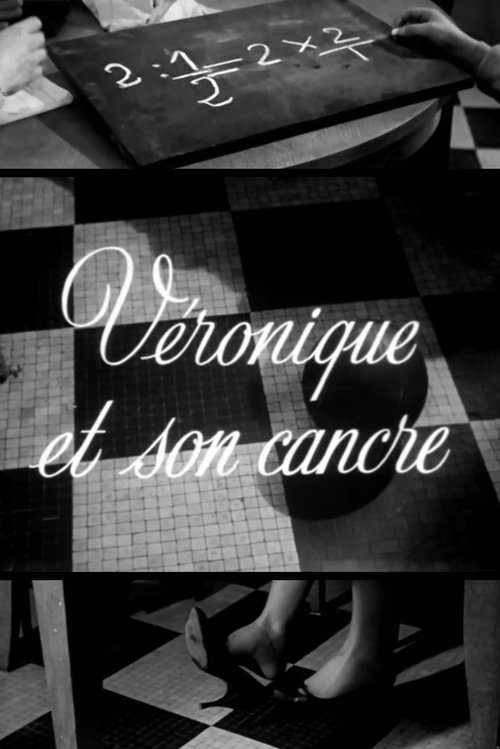
Véronique and Her Dunce
1959
No user ratings available yet
Representation score: 3.9 out of 10
Representation Score
Fair
1967
Director
Nicolas Ribowski
Runtime
30 minutes
Average Rating
No ratings yetNew Showbiz Analysis
Evening Classes functions primarily as a period-specific character study focused on the friction of social mobility. It succeeds in dissecting the performative nature of class and the pretension of the middle class in 1960s London. However, the film lacks multi-layered depth. The narrative is confined to a homogeneous social group, leaving little room for diverse racial, ethnic, or LGBTQ+ perspectives. This narrow focus limits its scope to a specific socioeconomic critique. Ultimately, while the film offers a sophisticated look at class stratification, it adheres to the traditional social hierarchies and gender norms of its era.
Category Breakdown
The film does not include any explicit LGBTQ+ characters or narratives. Social interactions stay within the conventional romantic and platonic frameworks of the 1960s, without challenging straight-centered structures.
The story follows traditional 1960s gender dynamics. While it explores attraction and social maneuvering between male and female classmates, it does not challenge established hierarchies or traditional leadership roles.
The cast is relatively homogeneous, reflecting the specific social strata of 1960s London. There is a lack of racial or ethnic diversity within the localized focus on the British class system.
The film provides a nuanced critique of Western social structures and class-based intellectualism. It highlights the friction between working-class reality and middle-class aspiration through social satire.
There is no significant presence of characters with visible or invisible disabilities. The narrative focuses on psychological and social anxieties rather than formal representations of neurodivergence.
Present on Screen
Limited or Absent
Official Synopsis
Tati plays a comedy teacher and explains the basic rules of comedy to some rather slow-witted students, illustrating his points with demonstrations.
1959
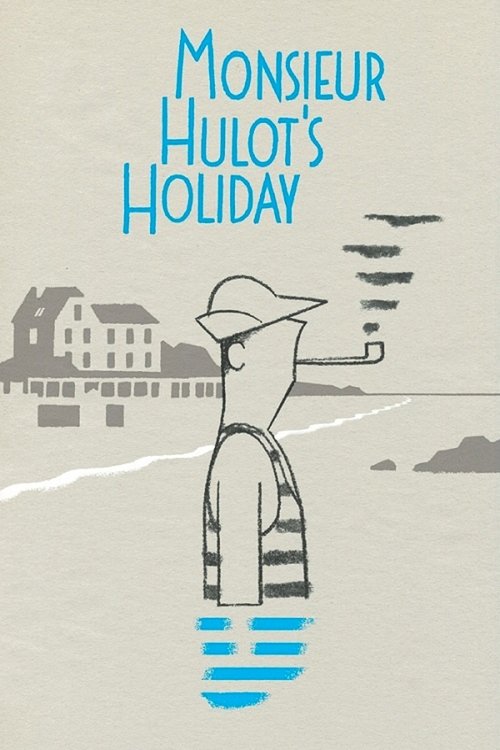
1953
1946
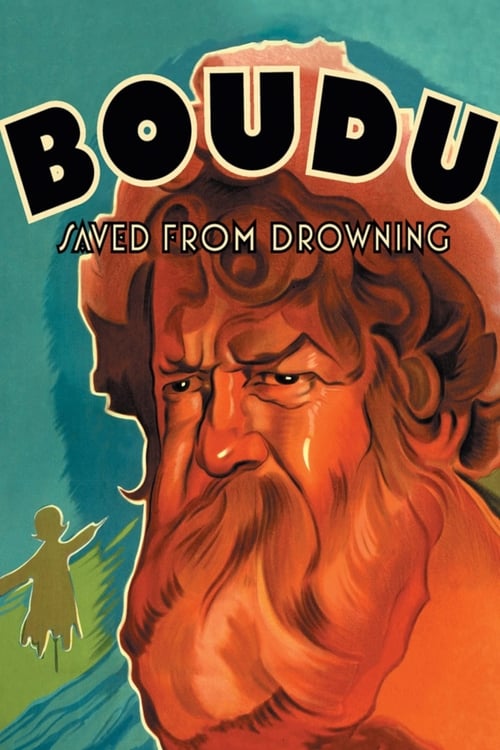
1932
1975
1958
1964

1981
No reviews yet. Be the first to share your thoughts on this movie!
Use the rating form above to leave a star rating and optional review.