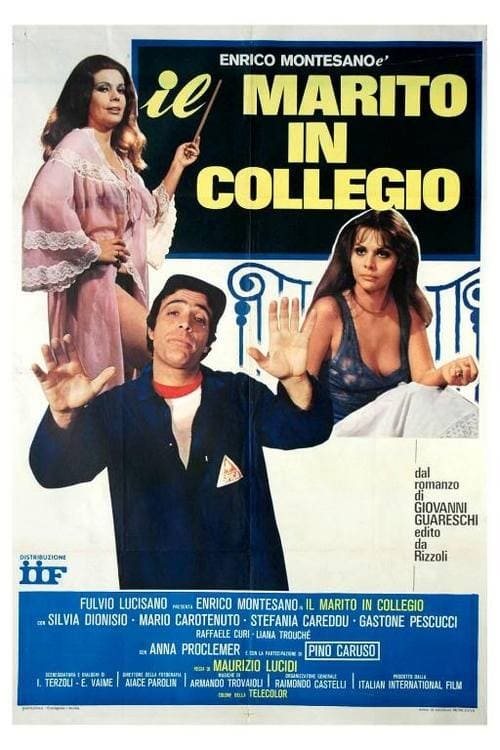
Il marito in collegio
1977
No user ratings available yet
Representation score: 2.5 out of 10
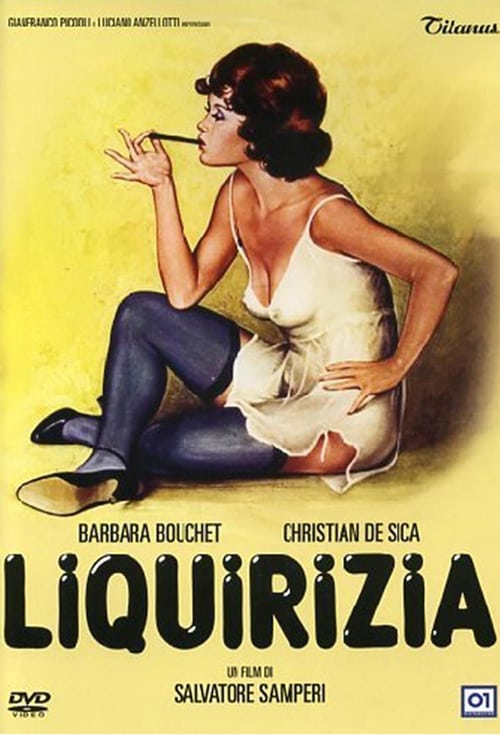
Representation Score
Limited
1979
Director
Salvatore Samperi
Runtime
103 minutes
Average Rating
No ratings yetNew Showbiz Analysis
Liquirizia is a character study set in the 1960s that focuses on the evolution of social norms rather than modern multi-layered themes. It highlights the tension between traditional values and emerging individualism. The film's strength lies in its portrayal of a powerful female lead who challenges traditional gender roles. However, it falls short in representing LGBTQ+ identities and racial diversity. Overall, the film serves as a critique of evolving social identities rather than a diverse ensemble piece.
Category Breakdown
The film centers on heterosexual relationships and the male protagonist's sexual awakening. It doesn't include any stories about LGBTQ+ individuals or non-cisgender identities.
Valeria stands out by having significant influence and intelligence, challenging the traditional submissive role of women in films.
The cast is mostly white, reflecting the demographics of 1960s provincial Italy. The story focuses on class differences rather than ethnic or racial diversity.
The story examines the shift from traditional rural life to a modern, consumer-driven society. It looks at the changing social norms and manners of the time.
There are no visible or invisible disabilities that play a key role in the story or define any main characters.
Present on Screen
Limited or Absent
Official Synopsis
Two groups of students - the third-class high school students and the matured accountants - decide to perform a show to celebrate the last day of school.
1977
1983

1982
1980
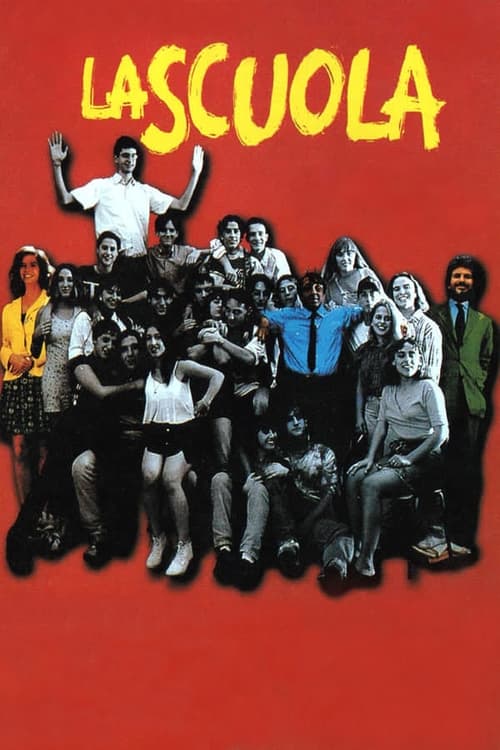
1995
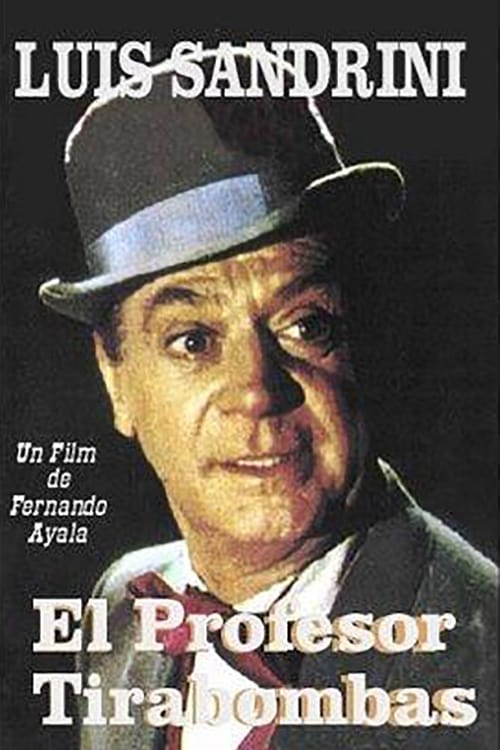
1972
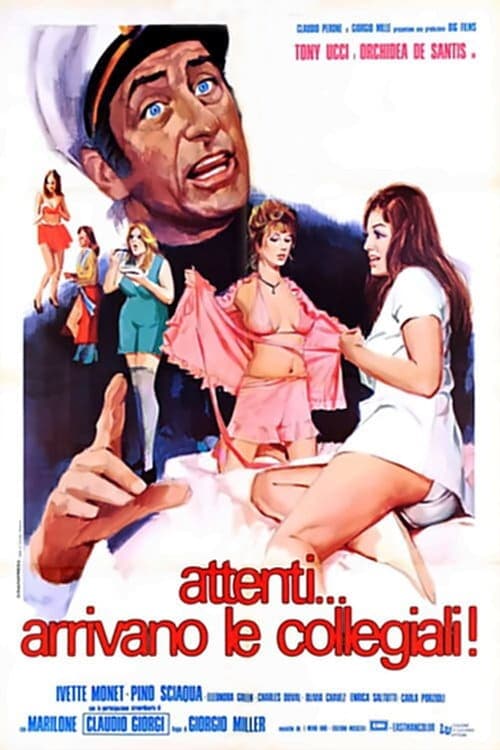
1975

1988
No reviews yet. Be the first to share your thoughts on this movie!
Use the rating form above to leave a star rating and optional review.