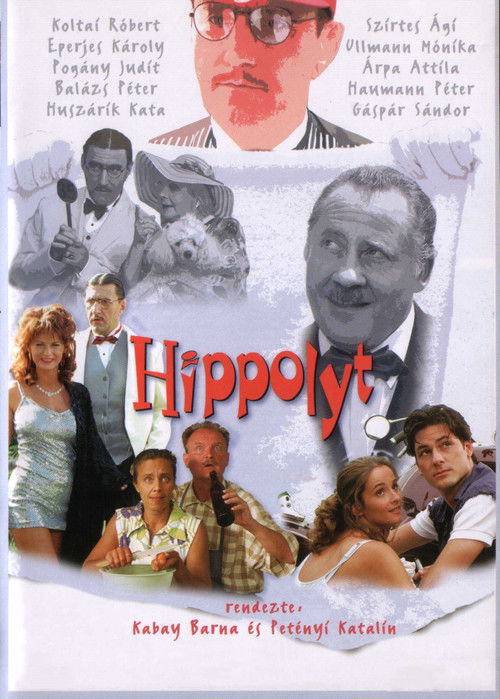
Hippolyt
1999
No user ratings available yet
Representation score: 1.9 out of 10
Representation Score
Limited
1995
Director
Stanislav Párnický
Average Rating
No ratings yetNew Showbiz Analysis
The film focuses on localized socio-political dynamics, emphasizing character-driven stories over identity politics. It centers female perspectives during a time of national change, offering a grounded look at domestic life. However, the work operates within a traditional demographic framework, lacking diverse representation. Its specific regional focus limits its broader appeal. Ultimately, while the film provides a sophisticated critique of economic shifts, it falls short in representing diverse identities and backgrounds.
Category Breakdown
The film centers on a traditional romantic relationship between Johanna and Janko Kvašný, with no evident queer themes or non-straight identities.
Female characters play key roles in the story, navigating domestic and socio-economic challenges during the transition to capitalism.
Set in an eastern Slovak village, the film features a likely homogeneous cast without diverse casting to address the region's social constraints.
The film critiques the shift from communism to capitalism, suggesting that human nature and social issues persist despite major systemic changes.
There is no mention of characters with visible or invisible disabilities in the film.
Present on Screen
Limited or Absent
Official Synopsis
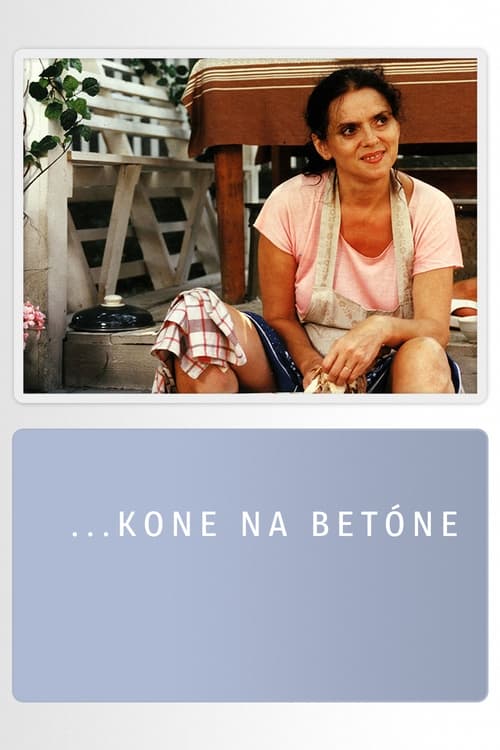
The loose sequel to the film "Pásla kone na betóne" returns to the familiar heroes after some time. The communist dictatorship is no longer raging and capitalism is penetrating even the remote corners of Slovakia. As it turns out, however, people don't change much over time, and their joys and worries are still the same. The tragicomic story depicts the vicissitudes of Johanna's new relationship with brewery manager Janko Kvašný, the unhappy marriage of her daughter Paulina and life in the new social conditions in an eastern Slovak village.
1999
1967
1993
1967
1987
2008
2013
1997
No reviews yet. Be the first to share your thoughts on this movie!
Use the rating form above to leave a star rating and optional review.