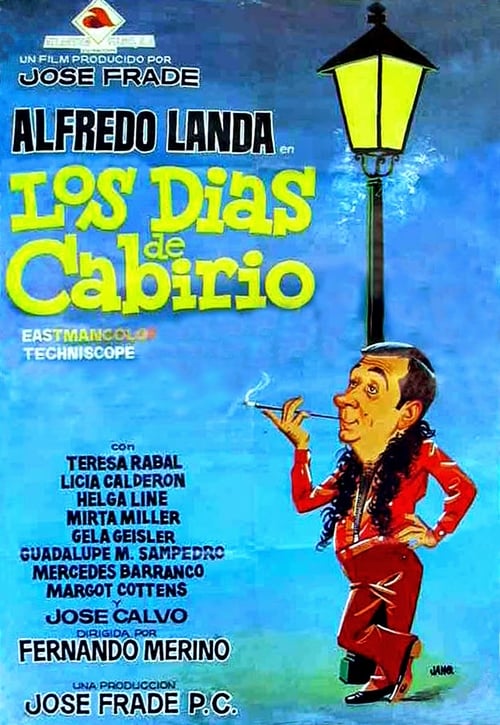
Los días de Cabirio
1971
No user ratings available yet
Representation score: 2.9 out of 10
Representation Score
Minimal
1977
Director
Antonio Mercero
Runtime
91 minutes
Average Rating
No ratings yetNew Showbiz Analysis
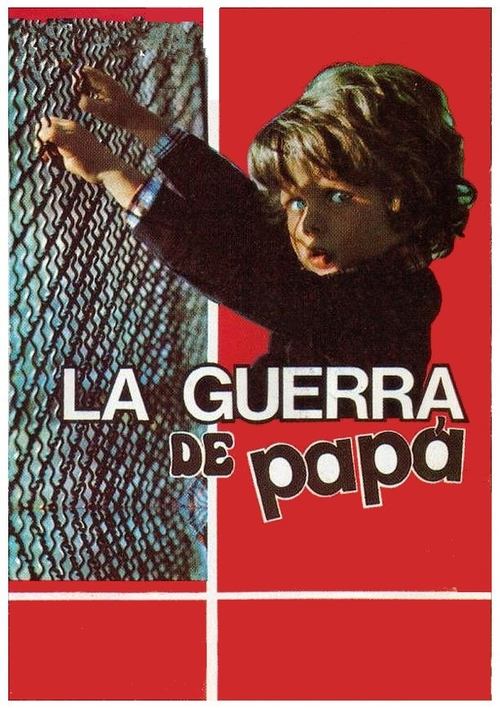
La guerra de papá is a period comedy that explores the friction between tradition and modernity in 1960s Spain. It primarily focuses on the breakdown of the authoritarian father archetype through the lens of generational conflict. While the film lacks modern multi-layered markers like racial or LGBTQ+ diversity, it offers a subtle critique of patriarchal hierarchies. The narrative suggests that old-world social structures are becoming ineffective and outdated in the face of a changing social tide. Ultimately, the film reflects the social shifts of its era by highlighting the erosion of rigid domestic leadership through the lens of a chaotic, evolving family unit.
Category Breakdown
The film focuses exclusively on a heterosexual family structure. There are no characters with LGBTQ+ identities or queer narratives in the plot.
The story highlights the tension between patriarchal authority and evolving domestic roles. While the father's declining influence is criticized, the mother remains in a traditional, submissive position.
The setting reflects the demographic homogeneity of mid-century Spain. The narrative centers on a culturally and ethnically uniform Spanish family with no visible racial diversity.
The film critiques rigid institutional structures by framing domestic life as a struggle against authoritarianism. It uses the children's disobedience to challenge traditional social discipline.
There are no prominent characters identified as having visible or invisible disabilities within the narrative.
Present on Screen
Limited or Absent
Official Synopsis
Spain, March 1964: Quico is a very naughty child of three belonging to a wealthy middle-class family. Since Cristina's birth, he feels he has lost the privileged position of "prince" of the house for his eight months old sister. So, with his brother Juan, who is eight years old and is quite disobedient, spend their time committing prank after prank, causing the resulting anger of his mother, the nanny and the old housemaid. The rest of the family members are two much older brothers, his resigned mother and a retrograde father of authoritarian ideas. But many years have passed, and the civil war that won the despot Don Pablo is simply for their children "Dad's war".
1971
1978

1971
1974
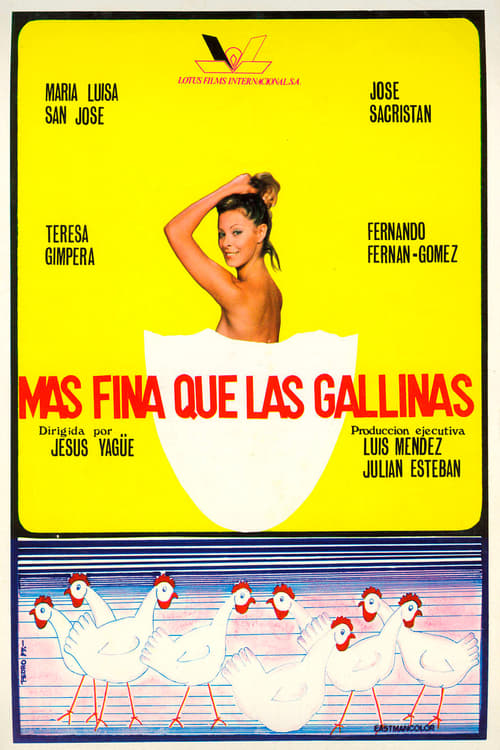
1977
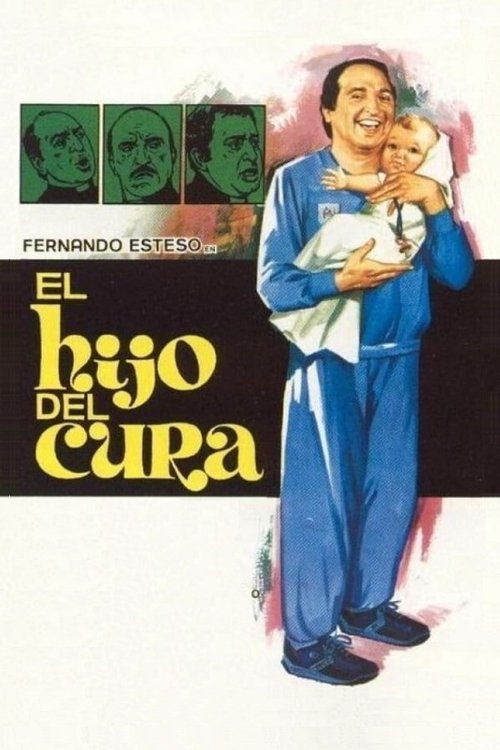
1982
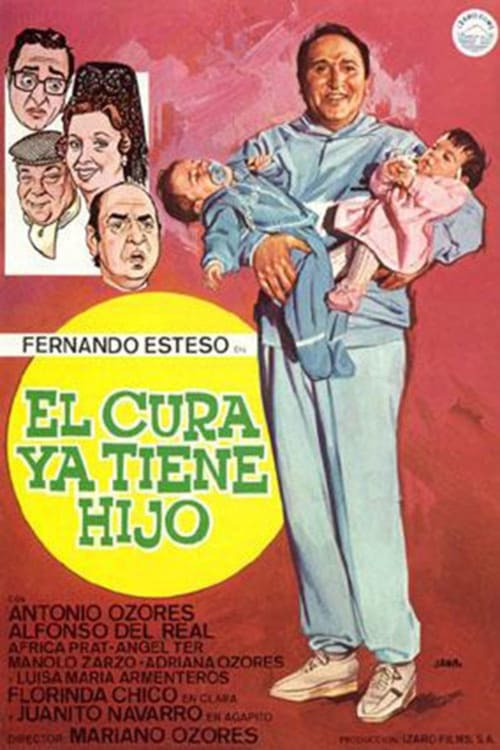
1984
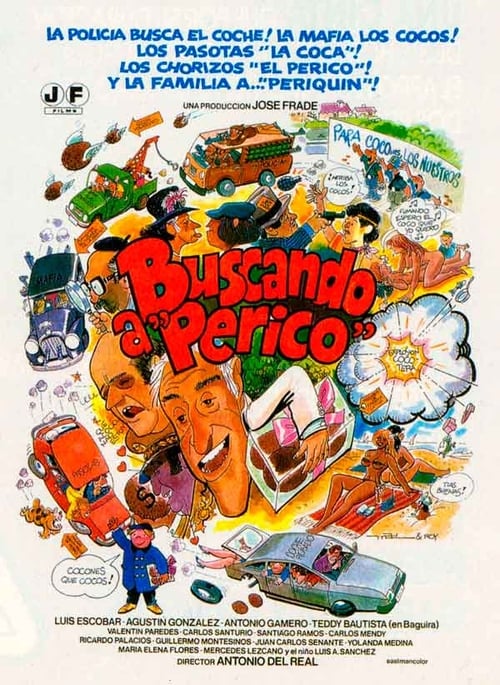
1982
No reviews yet. Be the first to share your thoughts on this movie!
Use the rating form above to leave a star rating and optional review.