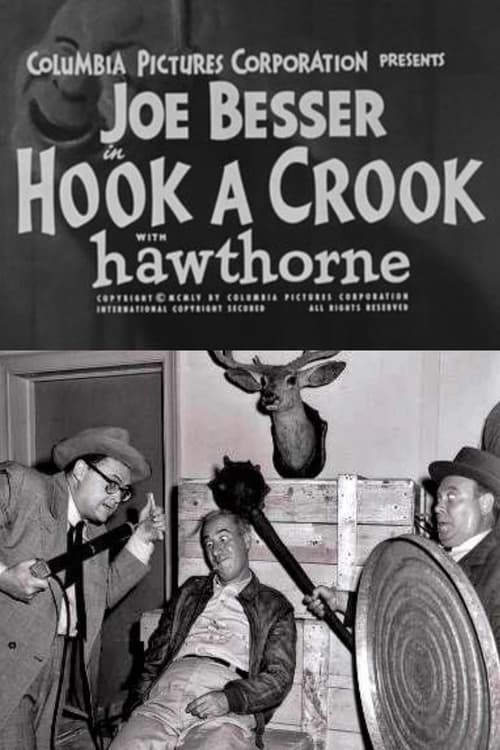
Hook a Crook
1955
No user ratings available yet
Representation score: 0.3 out of 10
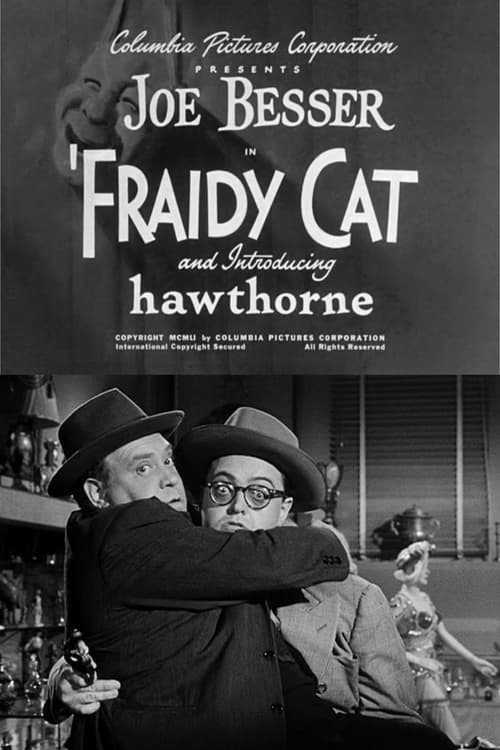
Representation Score
Minimal
1951
ApprovedDirector
Jules White
Runtime
16 minutes
Average Rating
No ratings yetNew Showbiz Analysis
Fraidy Cat is a product of its time, emphasizing physical humor and broad character types over nuanced storytelling. The narrative is built around a standard comedic structure involving theft and animal interference, leaving little room for complex social issues. The film adheres to traditional, male-centric, and homogeneous casting standards common to 1950s crime comedies, presenting a limited perspective on society. Ultimately, it serves as a gag-driven short rather than a vehicle for social commentary.
Category Breakdown
The film does not include any LGBTQ+ characters or themes related to sexuality or gender identity. The plot revolves around the comedic interactions between the main characters and a trained gorilla.
The story focuses on two male protagonists, Joe and Jim. There is a noticeable absence of female characters or influence in the main storyline.
The film follows the homogeneous casting practices typical of 1950s short-form comedy. There is no indication of diverse casting or intentional racial blending.
The movie uses conventional mid-century themes centered on property protection and law enforcement. It does not explore secularist, anti-Western, or anti-capitalist ideas.
The film does not feature any characters with physical, sensory, or neurodivergent disabilities. The focus remains on the situational comedy involving the thieves and the animal.
Present on Screen
Limited or Absent
Official Synopsis
Hired as guards to protect an antique shop, Joe and Jim run into a gorilla who has been trained by a gang of thieves to rob the store.
1955
1940
1921
1955
1943
1906
1940
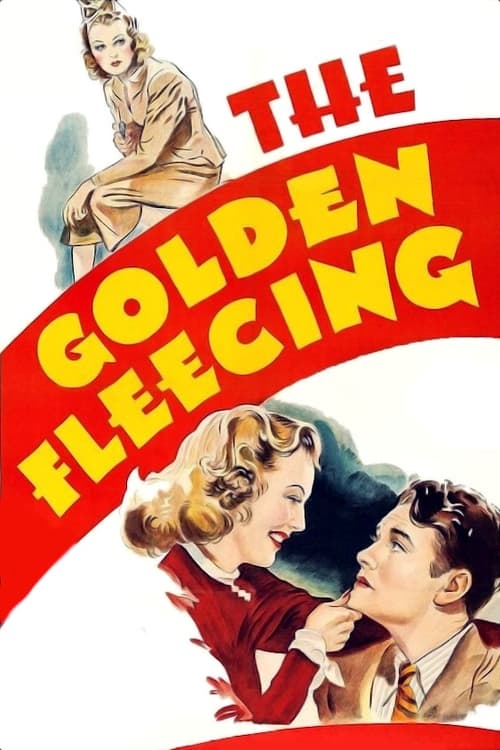
1940
No reviews yet. Be the first to share your thoughts on this movie!
Use the rating form above to leave a star rating and optional review.