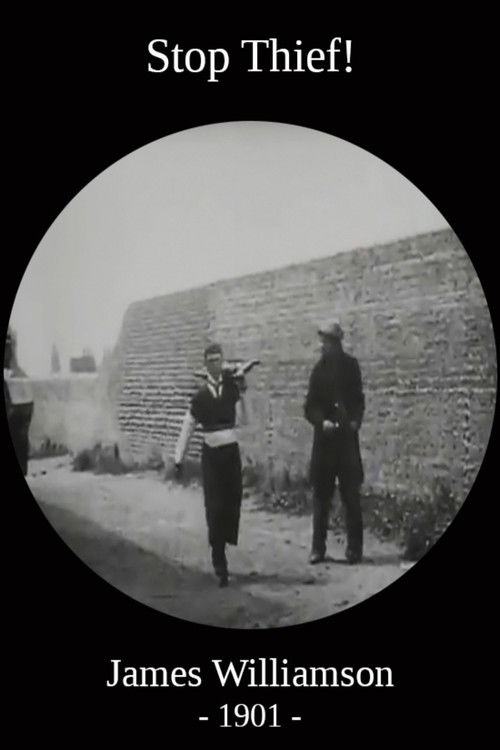
Stop Thief!
1901
No user ratings available yet
Representation score: 0.5 out of 10
Representation Score
Minimal
1906
Director
Gaston Velle
Runtime
2 minutes
Average Rating
No ratings yetNew Showbiz Analysis
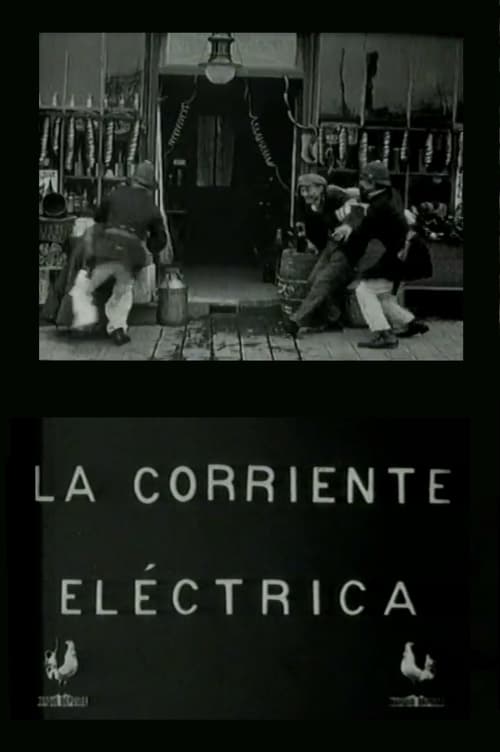
Electric Current is a foundational silent comedy that emphasizes technical experimentation and slapstick humor over diverse representation. The film primarily showcases early special effects and physical comedy, centered around a transactional conflict between a shopkeeper and thieves. Produced in 1906, the work reinforces traditional social boundaries regarding property and law. The narrative structure follows a classic cause-and-effect loop where technological intervention enforces social order, reflecting the era's standard social environment. Ultimately, the film lacks representation of diverse identities, focusing instead on archetypal roles and the spectacle of trick photography. It serves as a historical snapshot of early cinematic innovation rather than a vehicle for social or cultural disruption.
Category Breakdown
The film centers on a heterosexual couple involved in theft. It does not include any non-straight or non-cisgender identities or critiques of heteronormativity.
The characters follow traditional early 20th-century gender roles. Although the female character shares criminal activities with her partner, the film does not challenge established gender hierarchies.
The production reflects the homogeneous casting typical of early European silent cinema. It depicts a single, non-diverse social environment without multi-ethnic representation.
The story reinforces Western concepts of property rights and social order. The salesman's use of technology to protect his shop supports traditional views on law and commerce.
There is no indication of characters with visible or invisible disabilities. The physical comedy relies on standard kinetic movement rather than representing neurodivergence or impairment.
Present on Screen
Limited or Absent
Official Synopsis
A couple steals food from a grocery store. To stop them from repeating their crime, the cunning salesman electrifies his shop.
1901

1897
1897

1907
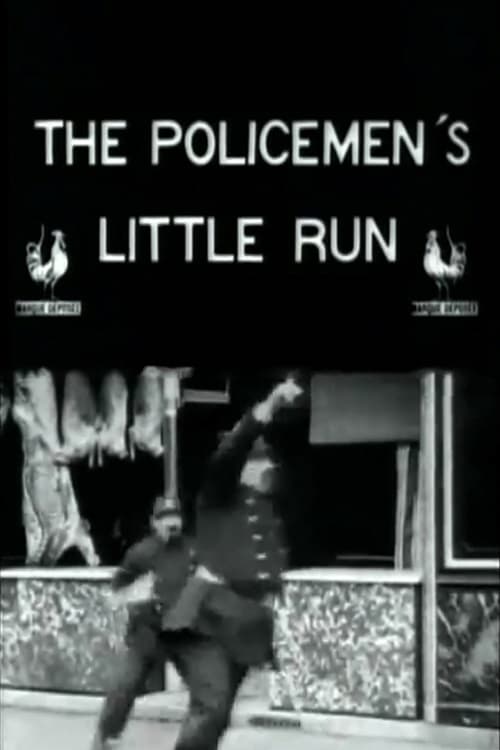
1907
1900
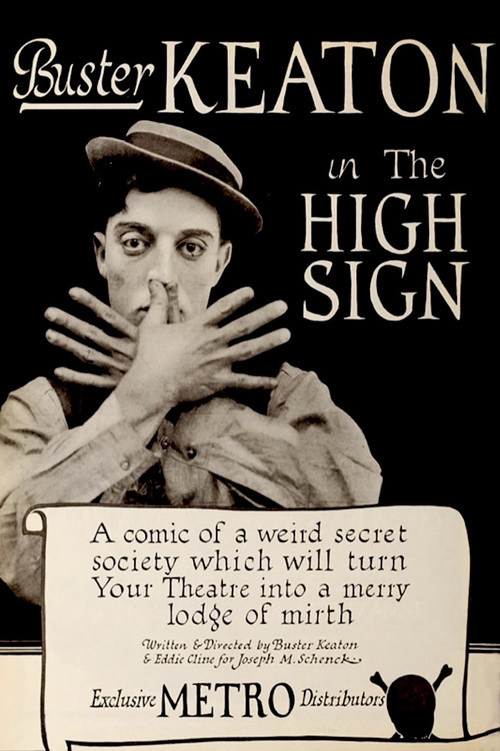
1921

1922
No reviews yet. Be the first to share your thoughts on this movie!
Use the rating form above to leave a star rating and optional review.