
Nice and Friendly
1922
No user ratings available yet
Representation score: 1.1 out of 10
Representation Score
Minimal
1925
PassedDirector
Leo McCarey
Runtime
20 minutes
Average Rating
No ratings yetNew Showbiz Analysis
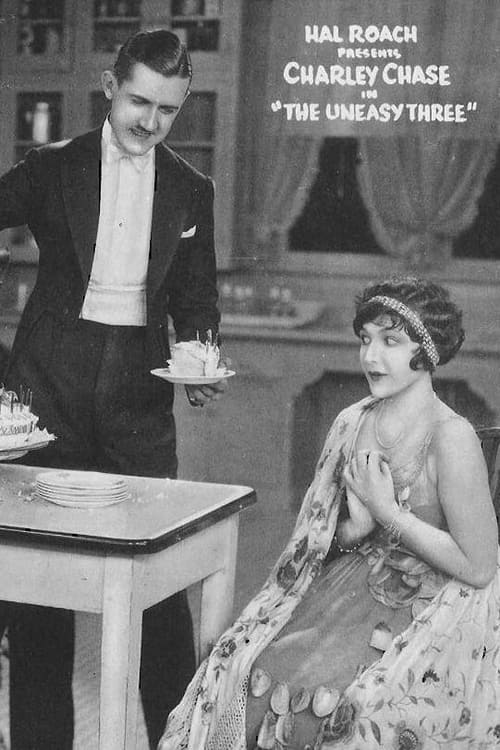
Leo McCarey’s 1925 short is a genre parody that prioritizes physical comedy over social commentary. It relies on the 'mastermind and dimwitted subordinates' formula to drive situational irony. The film is a product of its time, focusing on a male-centric ensemble within a standard crime-comedy framework. It does not make intentional efforts to disrupt social hierarchies or include perspectives that reflect multiple aspects of identity. Ultimately, the work functions as a stylistic spoof of contemporary crime dramas, staying within the narrow demographic and narrative bounds of early 20th-century American cinema.
Category Breakdown
The film does not depict any non-straight relationships or identities. It follows the conventional comedic clichés of the 1920s.
The story focuses on a male-dominated trio of thieves. The humor comes from the incompetence of these men rather than any challenge to gender roles.
The film reflects the homogeneous demographics typical of mainstream 1925 studio productions. There is no evidence of diverse casting or multi-layered character depth.
The story uses standard jewel heist clichés to create slapstick humor. It does not engage with institutional critiques or diverse cultural perspectives.
No characters with visible or invisible disabilities play central roles in the narrative. The film lacks representation in this category.
Present on Screen
Limited or Absent
Official Synopsis
Often hysterical spoof of Tod Browning's THE UNHOLY THREE (and several others of his crime movies) has Charley Chase playing the mastermind of a dimwitted trio of thieves who plan on stealing a priceless jewel.
1922
1935
1921
1897
1900
1928

1927
1938
No reviews yet. Be the first to share your thoughts on this movie!
Use the rating form above to leave a star rating and optional review.