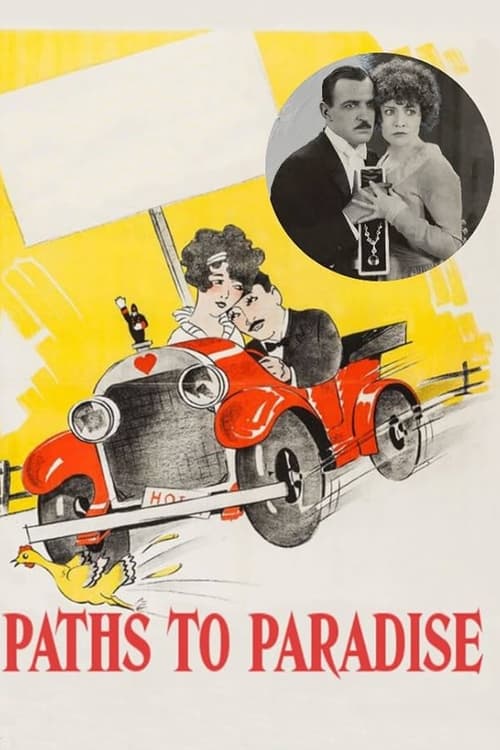
Paths to Paradise
1925
No user ratings available yet
Representation score: 3.9 out of 10
Representation Score
Limited
1931
NRDirector
Roy Del Ruth
Runtime
79 minutes
Average Rating
No ratings yetNew Showbiz Analysis
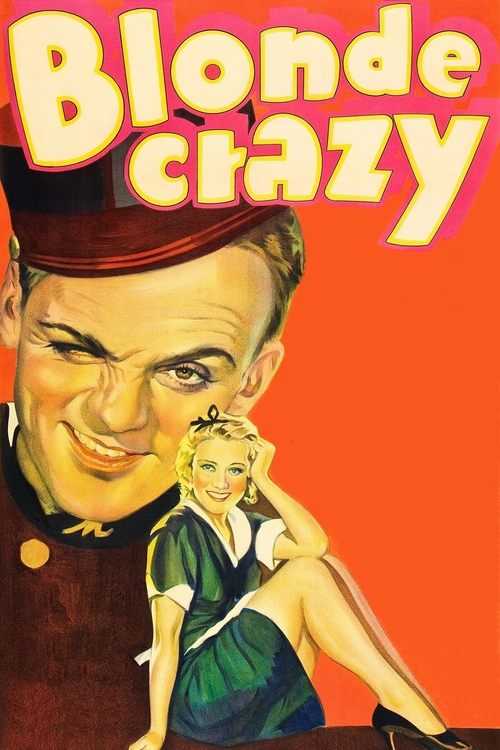
Blonde Crazy successfully challenges the era's gender norms by centering a woman with significant influence and economic motivation. This departure from traditional domestic virtues adds complexity to the Pre-Code narrative. However, the film remains constrained by the era's lack of diverse representation. It offers no visibility for LGBTQ+ identities, racial diversity, or disability, focusing instead on a narrow, homogeneous social environment. Ultimately, the film's strength lies in its morally ambiguous stance and its challenge to traditional femininity, while failing to address broader systemic diversities.
Category Breakdown
The film focuses solely on heterosexual relationships and social strategies. It does not include any characters with non-straight identities or critiques of the assumption that everyone is straight.
Joan Blondell's character challenges early 20th-century gender norms by prioritizing personal gain and social advancement. Her assertive personality defies traditional feminine roles and hierarchies.
The cast appears uniform, typical of early 1930s Hollywood productions. The story highlights class differences without addressing ethnic or racial diversity.
Pre-Code moral flexibility allows characters to engage in deception and materialism through humor. The film critiques societal stability via urban cynicism.
There are no visible or hidden disabilities represented among the characters or in the plot.
Present on Screen
Limited or Absent
Official Synopsis
The adventures of a cocky con man and his beautiful accomplice.
1925
1933
1933
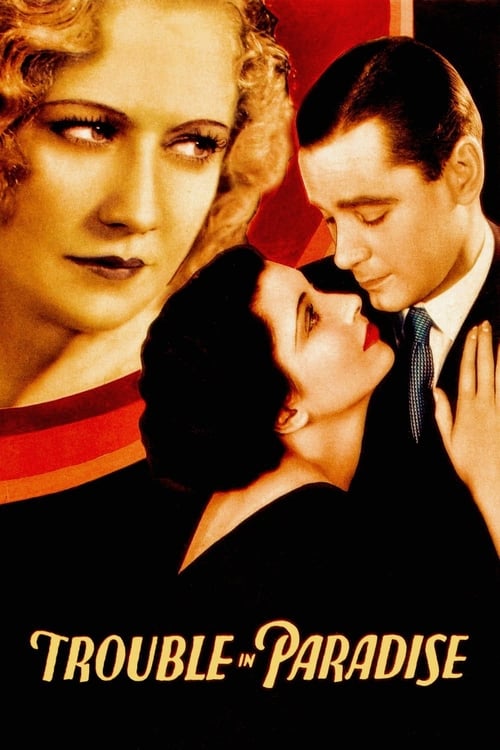
1932
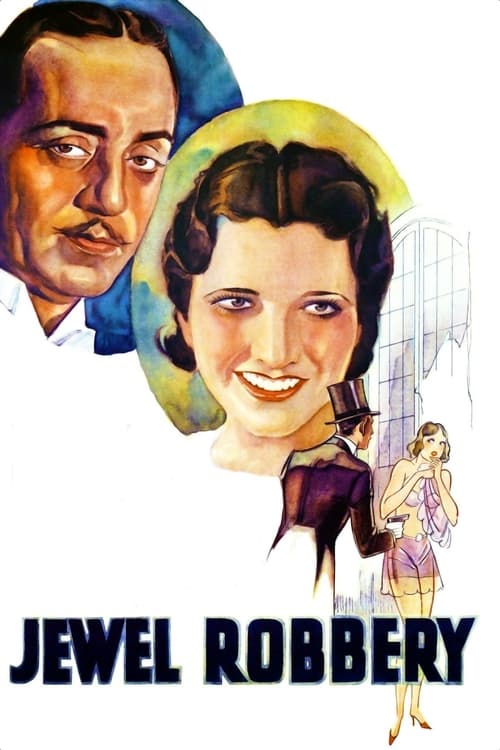
1932
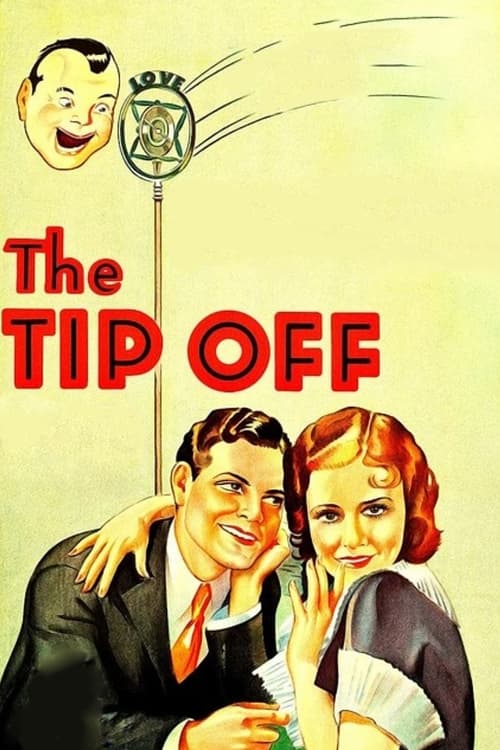
1931
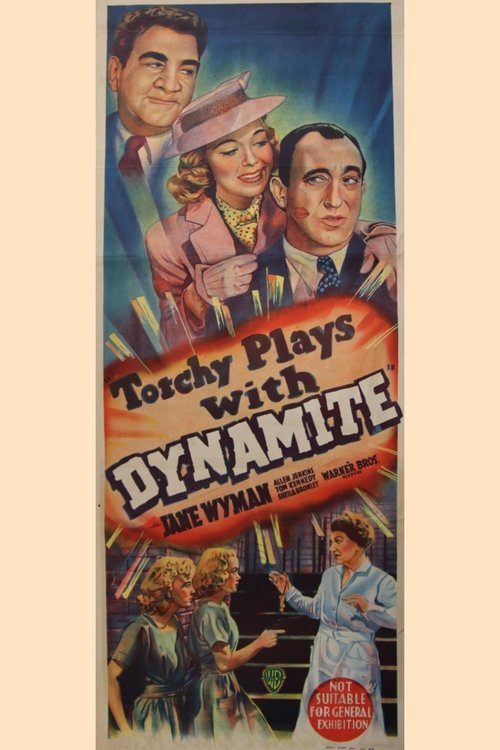
1939
1934
No reviews yet. Be the first to share your thoughts on this movie!
Use the rating form above to leave a star rating and optional review.