
The Ballad of Hector the Stowaway Dog
1964
No user ratings available yet
Diversity score: 3.0 out of 10
1989
Director
Jim Henson
Runtime
40 minutes
Average Rating
No ratings yetSynopsis
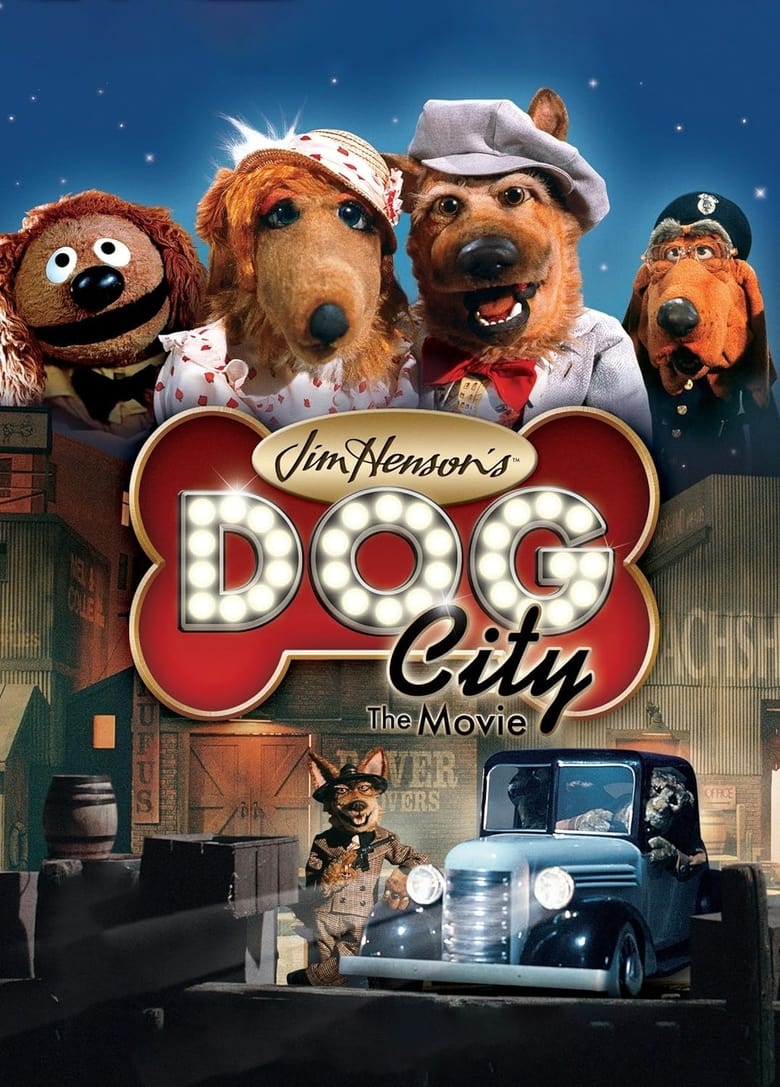
This parody of film noir and gangster flicks takes us through the dangerous town of Dog City, teeming with colorful Muppet Dog characters. Rowlf the dog is your guide through the underside of canine life during the 1930s in Dog City. Our hero, Ace, enters the world of bulldog gangsters and terrier molls when he inherits a saloon from his late Uncle Harry. Unwilling to pay protection money, Ace finds himself the target of Bugsy, a bulldog bully who owns most of Dog City. Life can be ruff!
Overall Score
Limited
Category Breakdown
LGBTQ+ Representation
The film lacks explicit LGBTQ+ identities or non-cisnormative expressions. Character dynamics follow the conventional romantic and social structures typical of the noir parody genre.
Gender Representation
Female characters are cast as terrier molls within the criminal underworld. The narrative leans into established genre tropes rather than subverting traditional gender hierarchies.
Racial & Ethnic Diversity
The production uses various dog breeds as a proxy for diversity. This breed-based casting mirrors a heterogeneous metropolitan population through a fantastical, species-blind lens.
Religious & Cultural Diversity
The story focuses on classic American crime tropes and musical homage. It does not offer explicit critiques of Western institutions, capitalism, or religious structures.
Disability Representation
Characters are defined by their breed and roles in the musical plot. There is no significant portrayal of neurodivergence or physical disability with narrative agency.
Strengths
Areas for Improvement
AI Analysis
Dog City functions as a stylistic pastiche of 1930s film noir, using anthropomorphic puppetry to reconstruct a genre defined by rigid social hierarchies. By replacing humans with canine characters, the film shifts focus from biological identity to breed-based characterization, using species as a metaphor for social stratification. While the breed-based casting offers a creative way to represent a heterogeneous population, the narrative largely adheres to the traditional structures of the genre it emulates. The production prioritizes musical escapism and genre parody over intentional intersectional representation. Ultimately, the film operates within established archetypes, such as the gangster and the moll, without actively deconstructing the social or gendered hierarchies inherent to the crime genre.
No reviews yet. Be the first to share your thoughts on this movie!
Use the rating form above to leave a star rating and optional review.
