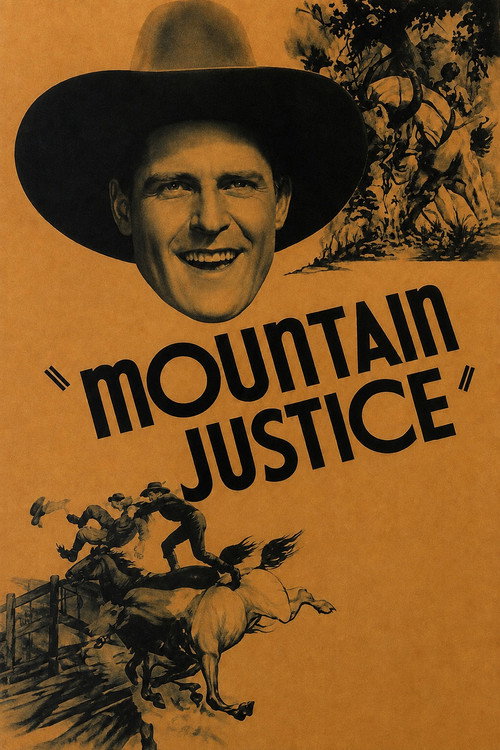
Mountain Justice
1930
No user ratings available yet
Representation score: 1.1 out of 10
Representation Score
Minimal
1930
PassedDirector
Harry Joe Brown
Runtime
74 minutes
Average Rating
No ratings yetNew Showbiz Analysis
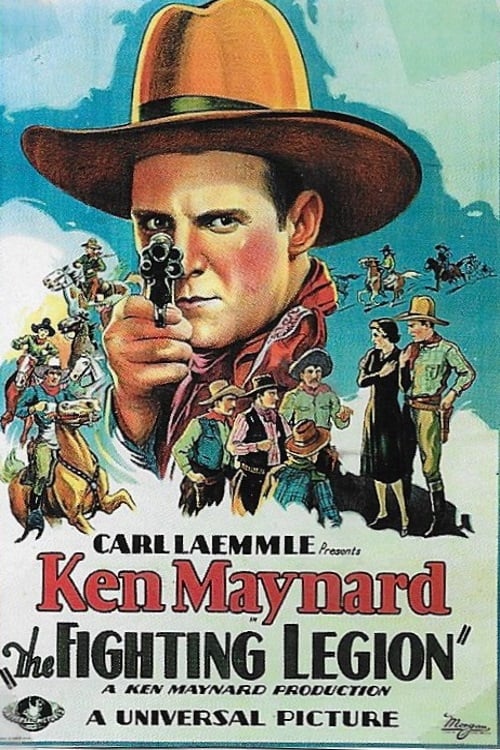
The Fighting Legion is a conventional 1930s Western that reinforces traditional social hierarchies. The plot centers on a masculine transfer of power and the struggle for legitimacy within a frontier community. Representation is limited by the era's cinematic norms, focusing on male-driven conflict and authority. The film adheres to the standard archetypes of early Hollywood action serials, lacking diverse perspectives or systemic critique. Ultimately, the work functions as a genre piece that prioritizes traditional heroism and frontier justice over diverse perspectives or critical examination.
Category Breakdown
The film does not include any LGBTQ+ characters or non-binary identities. It relies on traditional heterosexual romantic clichés typical of early Western films.
Male characters play key roles in navigating law enforcement and frontier justice. The plot focuses on masculine succession and physical confrontations, emphasizing traditional gender roles.
The narrative follows a traditional Western framework that historically lacks racial diversity. Roles of authority and heroism likely reflect the homogeneous white casts typical of 1930s cinema.
The story emphasizes traditional Western values regarding law, order, and the preservation of social roles. It operates within the established moral framework of early 20th-century adventure cinema.
There is no information available regarding the depiction of physical or mental disabilities within the film's narrative.
Present on Screen
Limited or Absent
Official Synopsis
After being shot, a dying Marshal Dawson gives Dave Hayes his badge and asks him to finish his job. Dave becomes Marshal but when Bowie, the man that shot Dawson appears, he exposes Dave as an imposter. Dave is then in trouble when Edwards incites the mob to lynch him.
1930
1940
1942
1930
1932

1934
1930

1929
No reviews yet. Be the first to share your thoughts on this movie!
Use the rating form above to leave a star rating and optional review.