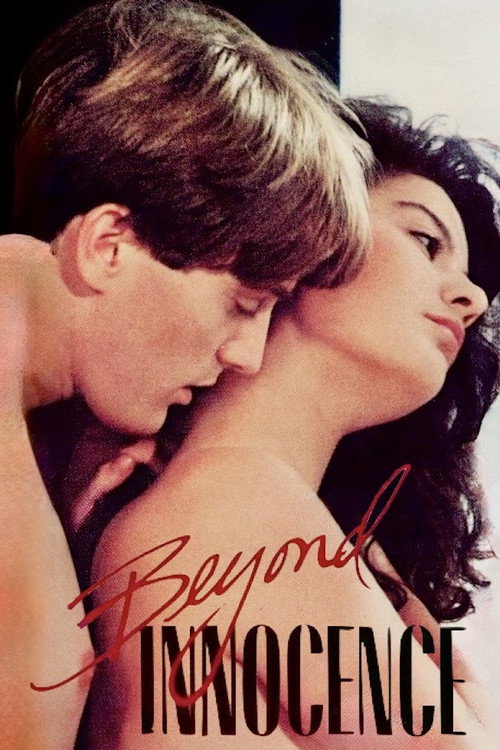
Devil in the Flesh
1986
No user ratings available yet
Representation score: 1.4 out of 10

Representation Score
Limited
1947
Not RatedDirector
Claude Autant-Lara
Runtime
110 minutes
Average Rating
No ratings yetNew Showbiz Analysis
Devil in the Flesh is a sophisticated exploration of social subversion rather than demographic variety. It succeeds by deconstructing the 'faithful wife' archetype and challenging the moral superiority of traditional communities. While the film lacks racial and LGBTQ+ representation, it provides a sharp critique of patriarchal standards and the hypocrisy of traditional social institutions. The narrative prioritizes psychological realism over conventional moralism. Ultimately, the film's impact comes from its focus on female autonomy and the systemic pressures of wartime society, even within a narrow demographic scope.
Category Breakdown
The film focuses solely on a relationship centered around heterosexual couples, with no representation of LGBTQ+ identities or queer narratives.
Marthe's struggle for independence and her psychological depth challenge the stereotype of the submissive wife. She is given significant autonomy and plays a key role in driving the story.
The cast is made up of actors from similar backgrounds, reflecting the historical context of rural France. There is no engagement with racial diversity or multiple aspects of identity.
The film criticizes the strict moral codes and social hypocrisy found in the community. It portrays the judgment of the community as an oppressive force rather than a stabilizing influence.
There are no characters with visible or invisible disabilities that serve as central plot devices or have specific character arcs.
Present on Screen
Limited or Absent
Official Synopsis
In France during World War I, Marthe waits for her husband, Jacques, while he fights on the front lines. Marthe then begins a tempestuous affair with 17-year-old François, with whom she had a dalliance before marrying Jacques. Jealous François struggles with the fact that Marthe is married, while she tries to prove her devotion to her young, hotheaded lover. Things become even more complex when Marthe becomes pregnant with Jacques' baby.
1986
1955
1933
1945
1995
1935
1956

1932
No reviews yet. Be the first to share your thoughts on this movie!
Use the rating form above to leave a star rating and optional review.