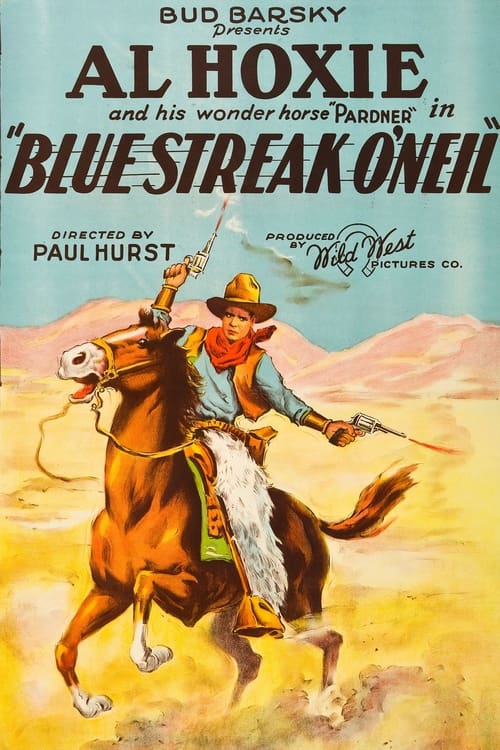
Blue Streak O'Neil
1926
No user ratings available yet
Representation score: 1.3 out of 10
No Poster Available
Representation Score
Minimal
1926
PassedDirector
Paul Hurst
Runtime
50 minutes
Average Rating
No ratings yetNew Showbiz Analysis
The Fighting Ranger is a classic 1920s Western that closely follows the genre's established clichés. The plot revolves around a male cowboy's journey to manage a ranch and defeat rustlers, reinforcing traditional power and gender dynamics. Representation is limited, as the film prioritizes heterosexual romance and Anglo-centric frontier values. The narrative celebrates individualism and property rights without challenging the social structures of the time. Overall, the film serves as a period piece that reflects the limited social diversity of early Hollywood, presenting a standard hero's journey without exploring diverse identities.
Category Breakdown
The film follows a typical romantic storyline focused on winning a female love interest. There is no indication of non-straight or non-cisgender identities or same-sex relationships.
The story centers around a male protagonist who drives the plot through his physical strength. Female characters appear mainly as rewards for the male protagonist rather than as independent agents.
The film reflects the homogeneous racial norms of 1920s Hollywood. It lacks diverse casting and characters of color with significant roles.
The story celebrates individualism and traditional Western values such as land ownership. It emphasizes the establishment of nuclear family units and private property.
There is no evidence of characters with visible or invisible disabilities in the narrative.
Present on Screen
Limited or Absent
Official Synopsis
After inheriting his uncle's ranch, a cowpoke manages to capture a ghost of the range, break up some cattle rustlers, and win the girl.
1926
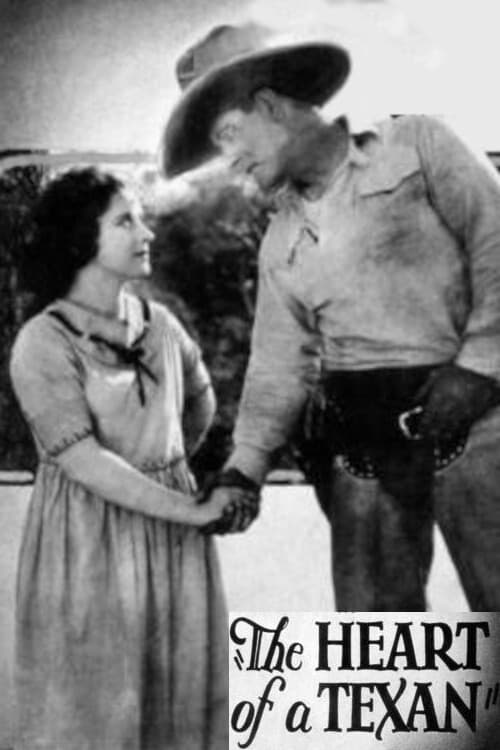
1922
1926
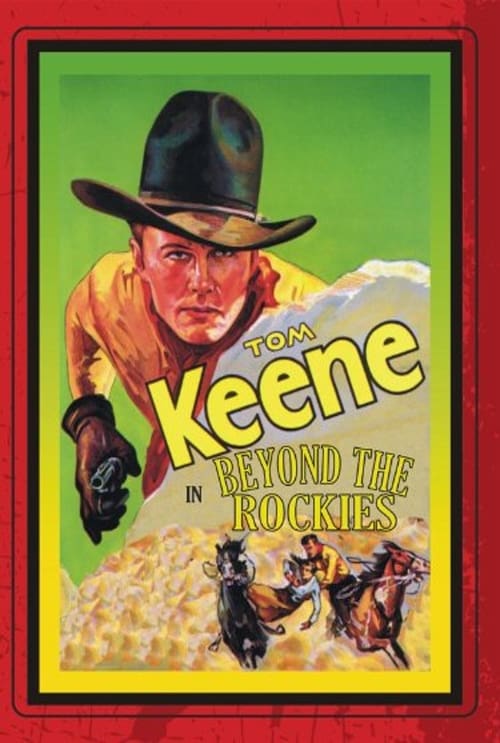
1932
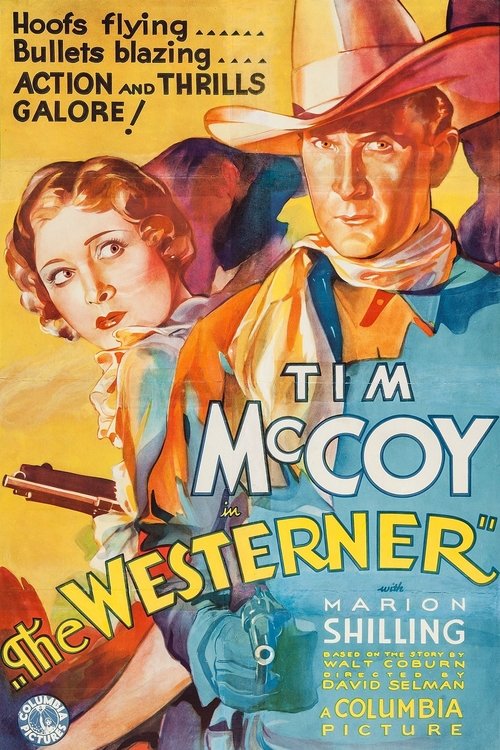
1934
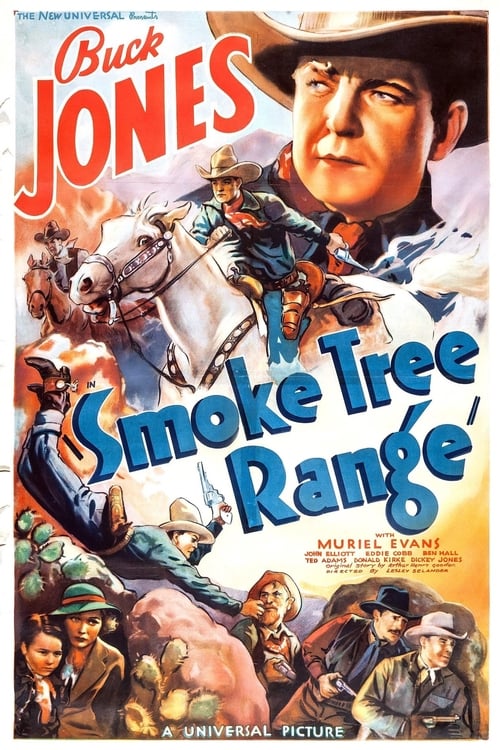
1937
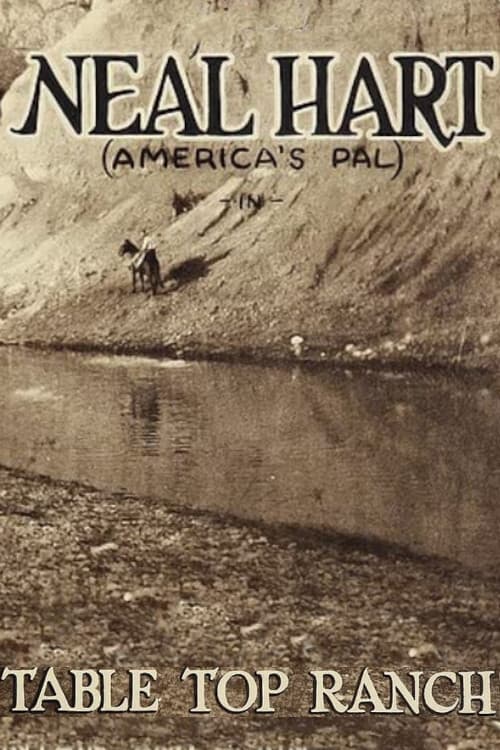
1922

1946
No reviews yet. Be the first to share your thoughts on this movie!
Use the rating form above to leave a star rating and optional review.