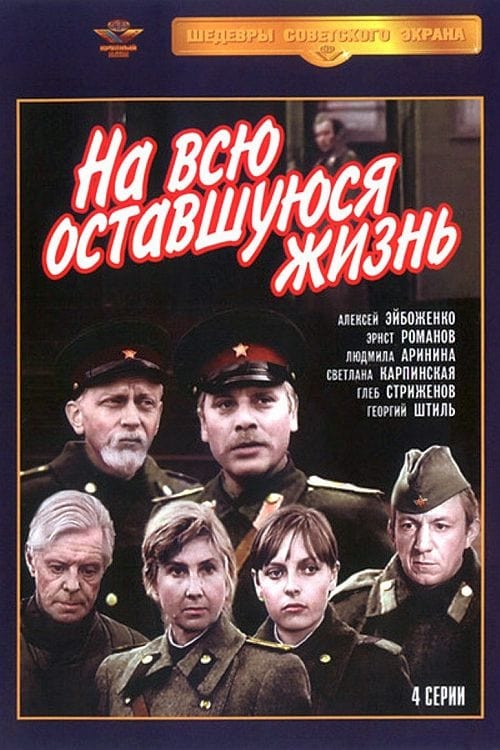
For the Rest of My Life
1975
No user ratings available yet
Diversity score: 4.2 out of 10

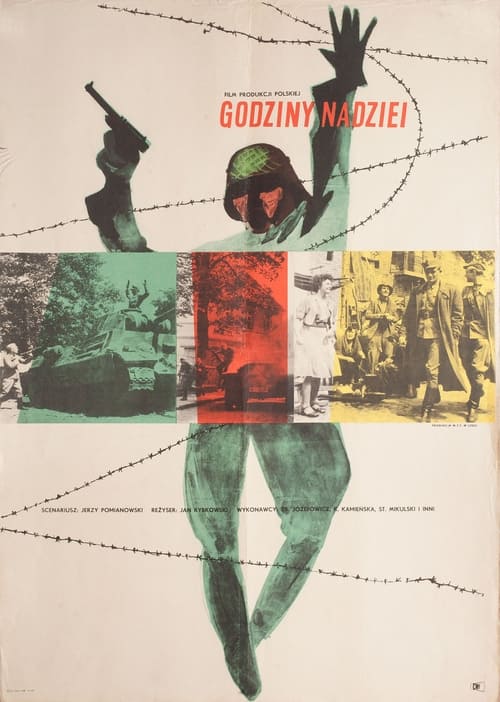
1955
Director
Andrzej Munk
Runtime
55 minutes
Average Rating
No ratings yetSynopsis
The final film produced by Warsaw’s Documentary Film Studio is an epic re-enactment of a treacherous mission by the Voluntary Tatra Mountain Rescue Service to aid colleagues stranded behind enemy lines at the close of World War II (several real participants feature in the film). Based on a short story about the rescue by Adam Liberak, Munk’s final “documentary” is also arguably his first major exercise in the craft of narrative filmmaking.
Overall Score
Limited
Category Breakdown
LGBTQ+ Representation
The film contains no discernible depictions of non-heteronormative identities. The narrative focuses strictly on the professional and survivalist bonds of the rescue service.
Gender Representation
Women appear within medical and auxiliary frameworks, primarily in nursing or support roles. The film adheres to conventional social structures without disrupting established gender hierarchies.
Racial & Ethnic Diversity
The cast is ethnically homogeneous, reflecting the historical reality of the Polish mountain rescue efforts. There is no evidence of color-blind casting or racial metaphors.
Religious & Cultural Diversity
The story prioritizes collective survival and communal responsibility over individualist pursuits. It lacks an overt deconstruction of traditional institutions like religion or family.
Disability Representation
The plot centers on physical trauma and the fragility of the human body during a rescue mission. Injury is treated as a gritty, systemic reality of war.
Strengths
Areas for Improvement
AI Analysis
Andrzej Munk’s film is a work of historical realism that prioritizes the human experience of crisis over identity politics. It functions as a study of collective bravery and professional duty during World War II. The low diversity score reflects the film's adherence to historical specificity and the social constraints of 1950s Polish filmmaking. It lacks the intersectional complexities found in modern cinema. Ultimately, the film succeeds as a humanistic study of survival, focusing on the pragmatic ethics of wartime rescue rather than the subversion of social hierarchies.
1975
2006
1955
1967

1957
1957
1965
1942
1944

2020
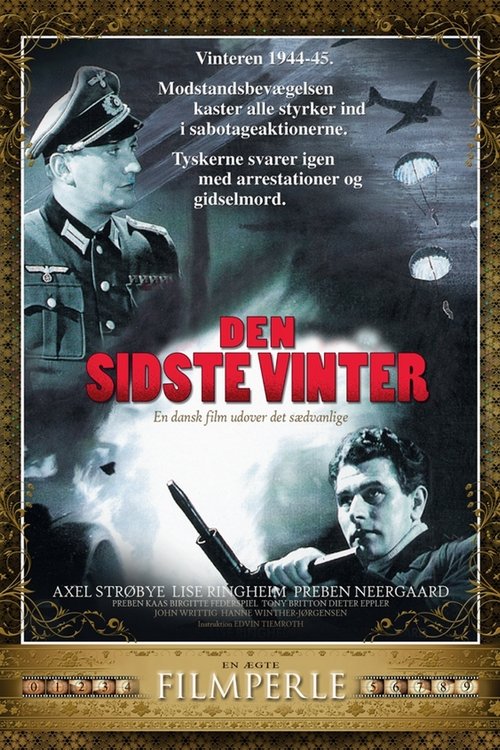
1960
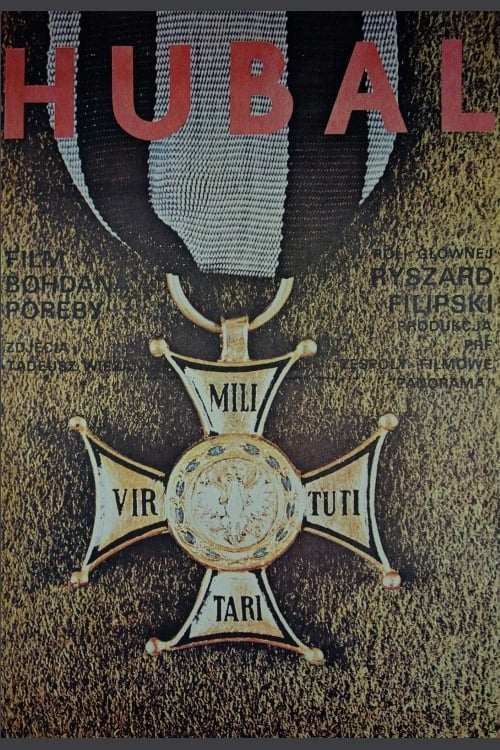
1973
No reviews yet. Be the first to share your thoughts on this movie!
Use the rating form above to leave a star rating and optional review.