Hospitalité
2011
No user ratings available yet
Representation score: 6.8 out of 10
Representation Score
Good
2007
Director
Naoko Ogigami
Runtime
106 minutes
Average Rating
No ratings yetNew Showbiz Analysis
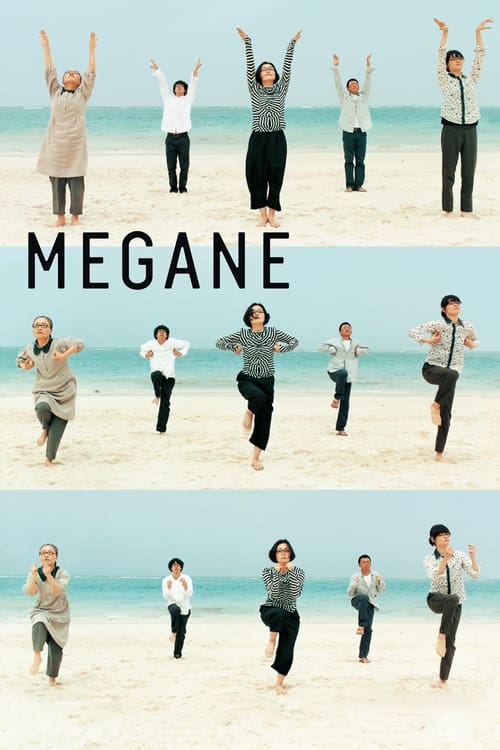
Glasses serves as a contemplative piece of cinema that challenges traditional hierarchies through its focus on personal autonomy. By centering on a woman's decision to reject high-pressure urban life, the film subverts standard productivity-based social structures. While the film lacks overt political messaging or explicit identity politics, its structural emphasis on women's ability to drive the story is significant. It replaces traditional plot-driven conflict with episodic, mundane interactions that prioritize emotional truth. Ultimately, the film's strength lies in its quiet disruption of societal expectations. It uses a localized, culturally specific lens to explore themes of alienation and the rejection of modern, career-driven exhaustion.
Category Breakdown
The film does not include explicit LGBTQ+ characters or relationships that challenge traditional norms. However, the island setting avoids reinforcing typical relationship milestones.
The story centers on a female protagonist seeking self-actualization and emotional independence. It emphasizes female companionship and quiet intellect over traditional romantic dependency or masculine leadership.
The cast is primarily Japanese, reflecting the cultural context of a coastal town. The film focuses on local social rhythms rather than ethnic diversity.
The story subtly critiques capitalist structures by favoring a slow-paced, simple lifestyle. It highlights personal spirituality over rigid social or religious moralities.
The film does not feature characters with visible or invisible disabilities. The focus remains on able-bodied characters navigating emotional rather than physical challenges.
Present on Screen
Limited or Absent
Official Synopsis
An overworked career woman leaves her life in the city for an island vacation only to encounter eccentric local inhabitants.
2011

2018

2012

2004
2012
2003

2008

2003
No reviews yet. Be the first to share your thoughts on this movie!
Use the rating form above to leave a star rating and optional review.