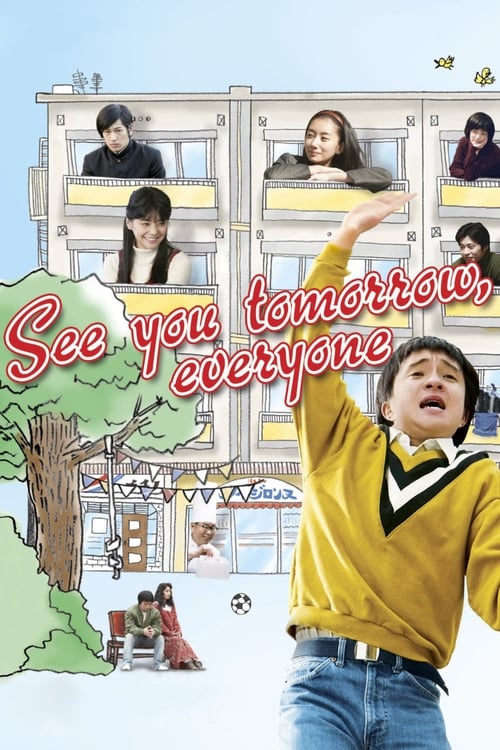
Fine, Totally Fine
2008
No user ratings available yet
Representation score: 7.2 out of 10
Representation Score
Good
2013
Director
Yoshihiro Nakamura
Runtime
120 minutes
Average Rating
No ratings yetNew Showbiz Analysis
Yoshihiro Nakamura’s film presents a quiet, character-focused exploration of social non-conformity. By centering on a protagonist who rejects typical life milestones like formal education and employment, the narrative challenges conventional notions of success and productivity. While the film offers a subtle critique of societal expectations, it does not explicitly address multi-layered identities. The focus remains on a localized, culturally specific portrayal of isolation and community disintegration. Ultimately, the film shines in its observational approach to individual experiences, while remaining neutral on broader demographic diversity.
Category Breakdown
The film doesn't provide clear evidence of LGBTQ themes or dynamics. The protagonist's engagement to a friend doesn't indicate any specific queer relationships or challenges to traditional heterosexual norms.
The story focuses on the protagonist's personal journey and his relationship with a friend. It doesn’t delve into detailed gender dynamics or challenge traditional gender roles.
The film seems to take place in a culturally uniform Japanese setting. There is no indication of diverse racial representation or efforts to blend different cultural backgrounds.
The movie questions traditional societal norms by highlighting a character who chooses a path outside conventional markers of success, such as education and career.
The protagonist's behavior, including social withdrawal and reluctance to leave his apartment, might suggest a neurodevelopmental condition or anxiety. However, the film does not explicitly identify these behaviors as disabilities.
Present on Screen
Limited or Absent
Official Synopsis
After Satoru Watarai graduated from elementary school, he dropped out of school and decided to live within his apartment complex, never to venture outside. Satoru Watari then meets his old friends as they are coming back from their middle school classes. Satoru has now gotten a job at a cake shop within the apartment complex and eventually gets engaged to one of his friends. Satoru, still lives within the apartment complex only, but, as time passes, more of his friends leave ..
2008

2018

2013
2004

2002

2015
2021

2005
No reviews yet. Be the first to share your thoughts on this movie!
Use the rating form above to leave a star rating and optional review.