The Dove on the Roof
1990
No user ratings available yet
Representation score: 4.4 out of 10
Representation Score
Fair
1990
Director
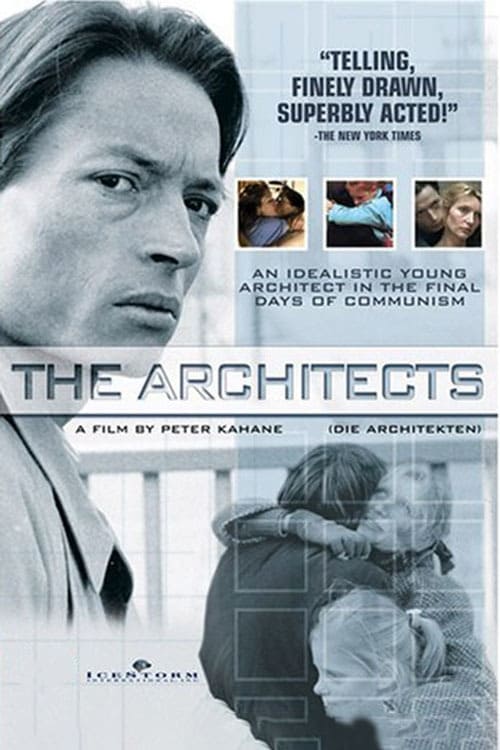
Peter Kahane
Runtime
102 minutes
Average Rating
No ratings yetNew Showbiz Analysis
The Architects is a period drama that centers on the tension between creative ability to act and systemic conformity in East Germany. It effectively portrays the struggle against institutional stagnation and the desire for individualistic rebellion against state-mandated aesthetics. However, the film lacks significant diverse representation. The cast appears demographically homogeneous, and there is no overt presence of LGBTQ+ identities or disability representation. Ultimately, the film's strength lies in its psychological depth and social critique rather than its demographic breadth. It captures a specific historical moment through a narrow, professional lens.
Category Breakdown
The film does not include explicit representations of LGBTQ+ identities or relationships. Instead, it focuses on professional and domestic tensions.
Wanda's desire to move to West Germany highlights her ability to act. However, the central conflict may reinforce traditional domestic roles for women.
The story reflects the predominantly white population of East Berlin in 1990. The focus on a specific professional group limits multi-ethnic representation.
The film critiques systemic stagnation and state-sanctioned architecture. It explores the tension between individual creative rebellion and conservative, bureaucratic institutions.
There are no visible or mentioned depictions of physical or neurodivergent disabilities in the narrative.
Present on Screen
Limited or Absent
Official Synopsis
The architect Daniel Brenner is in his late thirties when he receives his first challenging and lucrative commission: to design a cultural center for a satellite town in East-Berlin. He accepts the offer under the condition that he gets to choose who he works with. This way, he reunites with former colleagues and friends - most of them architects or students of architecture who have since chosen a different profession due to personal restraint or economic confinement. Together, they develop a concept which they hope will be more appealing to the public than the conventional and dull constructions common to the German Democratic Republic. However, their ambitious plans are once and again foiled by their conservative supervisors. As frustration grows, Daniel has trouble keeping his career in balance with his family-life: his wife Wanda wants to leave for West-Germany.
1990

1961
2008

1979
1980
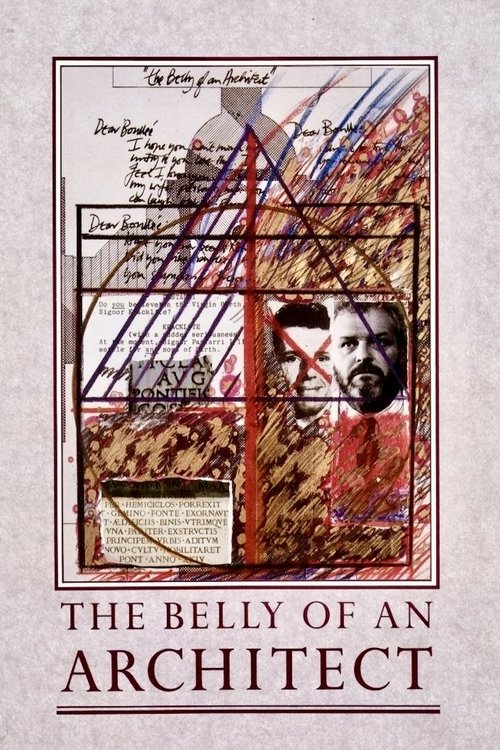
1987
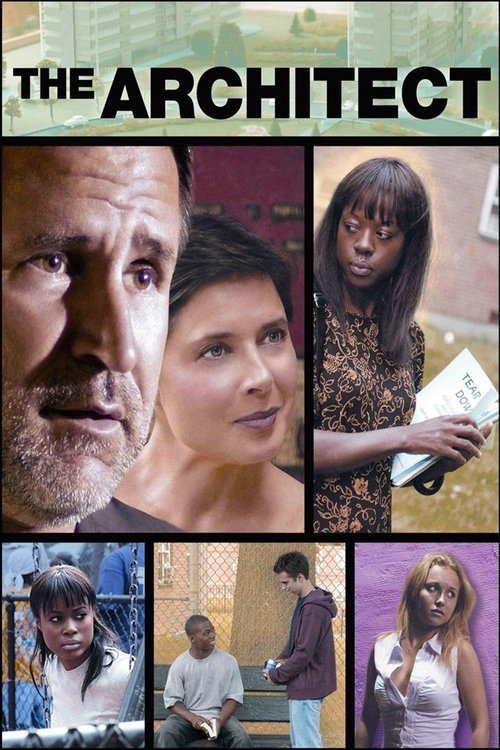
2006
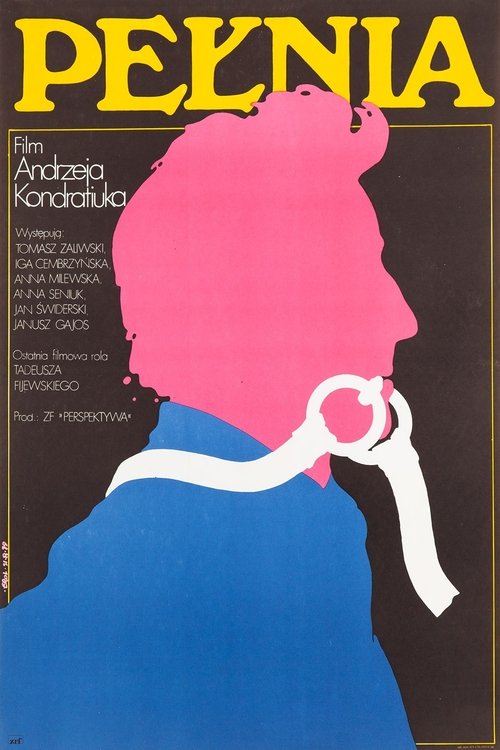
1979
No reviews yet. Be the first to share your thoughts on this movie!
Use the rating form above to leave a star rating and optional review.