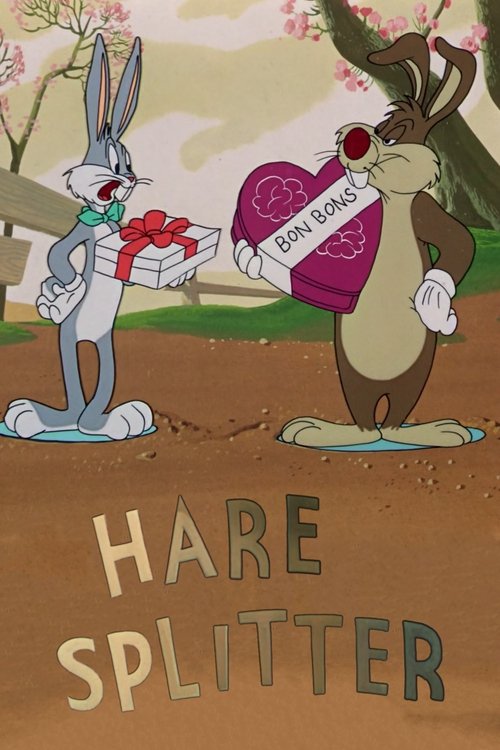
Hare Splitter
1948
No user ratings available yet
Diversity score: 1.4 out of 10

1946
Director
Frank Tashlin
Runtime
7 minutes
Average Rating
No ratings yetSynopsis
Elmer Fudd is an amateur scientist who wants to turn Bugs Bunny into a fiend. Bugs tricks this ersatz Dr. Jekyll into drinking his own mixture; later, each thinks the other has changed into a bear.
Overall Score
Minimal
Category Breakdown
LGBTQ+ Representation
The film lacks any depiction of non-heteronormative identities or same-sex intimacy. The conflict between anthropomorphic animals provides no framework for queer identity exploration.
Gender Representation
Gendered social dynamics are absent from the narrative. The conflict between Elmer Fudd and Bugs Bunny relies on masculine archetypes, offering no exploration of feminine agency.
Racial & Ethnic Diversity
The cast consists entirely of anthropomorphic animals. The film avoids species-based casting to comment on racial diversity or multicultural engagement.
Religious & Cultural Diversity
The short adheres to traditional 1940s comedic structures. It avoids political, religious, or socioeconomic critiques, focusing instead on episodic gag structures.
Disability Representation
There is no intentional representation of physical or neurodivergent disabilities. Slapstick trauma is used strictly as a comedic device rather than a portrayal of lived experience.
Strengths
Areas for Improvement
AI Analysis
Hare Remover is a quintessential mid-century slapstick short that prioritizes kinetic humor over social commentary. The narrative is built on repetitive gag structures and physical frustration rather than character-driven depth. Because the film functions as a closed loop of slapstick, it lacks the intentionality required to engage with intersectional identities or systemic power dynamics. The characters exist within a vacuum of social or cultural context.
1948
1950
1945
1955
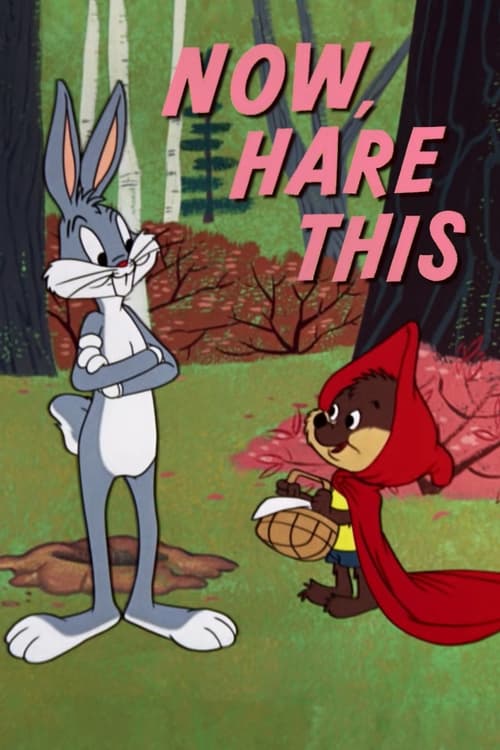
1958
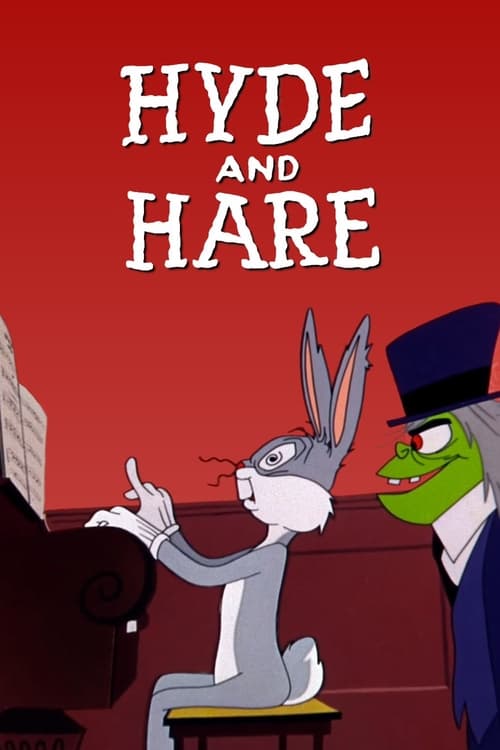
1955
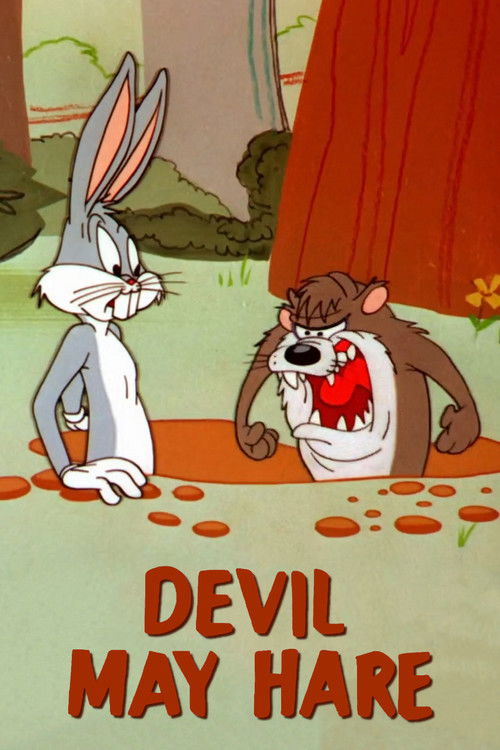
1954
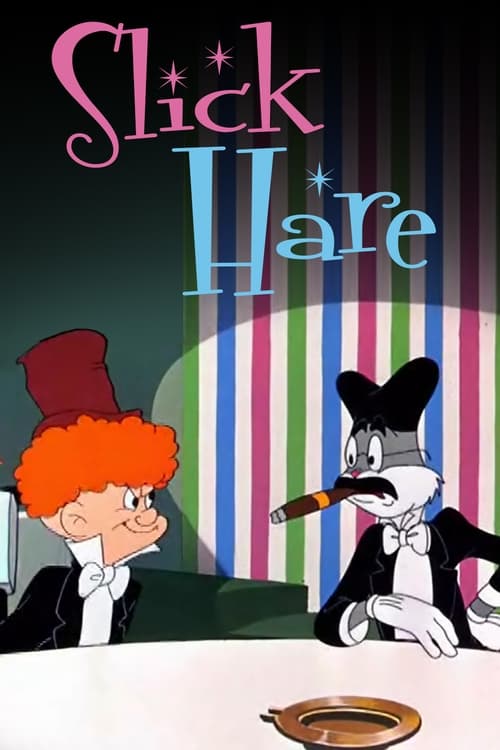
1947
1944
1949
1944
1958
No reviews yet. Be the first to share your thoughts on this movie!
Use the rating form above to leave a star rating and optional review.