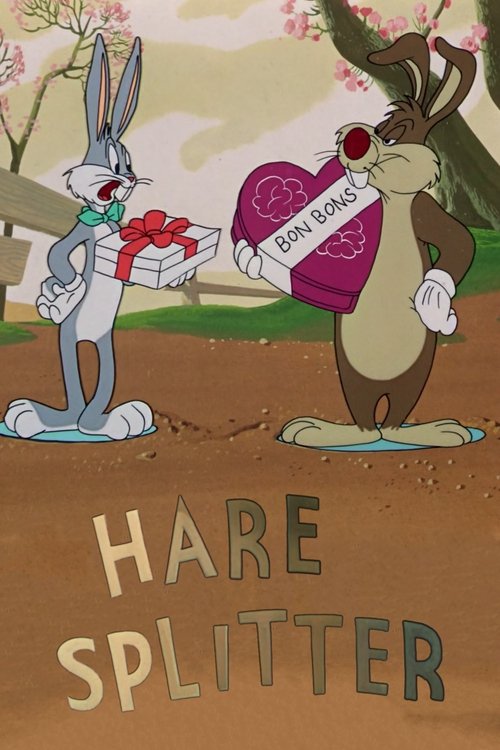
Hare Splitter
1948
No user ratings available yet
Diversity score: 1.4 out of 10

1947
NRDirector
Friz Freleng
Runtime
8 minutes
Average Rating
No ratings yetSynopsis
Humphrey Bogart visits the Mocrumbo Restaurant. He orders fried rabbit and Elmer Fudd has twenty minutes to serve it.
Overall Score
Limited
Category Breakdown
LGBTQ+ Representation
The film lacks any evidence of LGBTQ+ characters or narratives. It adheres to the strict heteronormative social structures typical of 1947 animation.
Gender Representation
The story relies on male-centric conflict between Humphrey Bogart and Elmer Fudd. Female characters lack agency and appear relegated to passive roles.
Racial & Ethnic Diversity
The cast focuses on established Anglo-Saxon archetypes. There is no indication of non-white characters or intentional demographic blending in the premise.
Religious & Cultural Diversity
The narrative follows mid-century Western comedic traditions. It operates within a standard commercial framework that upholds the era's social status quo.
Disability Representation
There is no mention of characters with visible or invisible disabilities. No neurodivergent or physical disability traits are integrated into the arcs.
Strengths
Areas for Improvement
AI Analysis
Slick Hare is a product of its historical era, functioning as a standard comedic short that reinforces mid-century social hierarchies. The narrative structure is built around established male archetypes, leaving little room for intersectional complexity or diverse identities. The film lacks intentionality regarding representation, focusing instead on slapstick and individualistic conflict. It reflects the homogeneous social norms of 1947, prioritizing broad, archetypal humor over the inclusion of varied cultural or gendered perspectives.
1948
1952
1955
1955
1942
1958
1948
1944
1948
1948
1949
1944
No reviews yet. Be the first to share your thoughts on this movie!
Use the rating form above to leave a star rating and optional review.