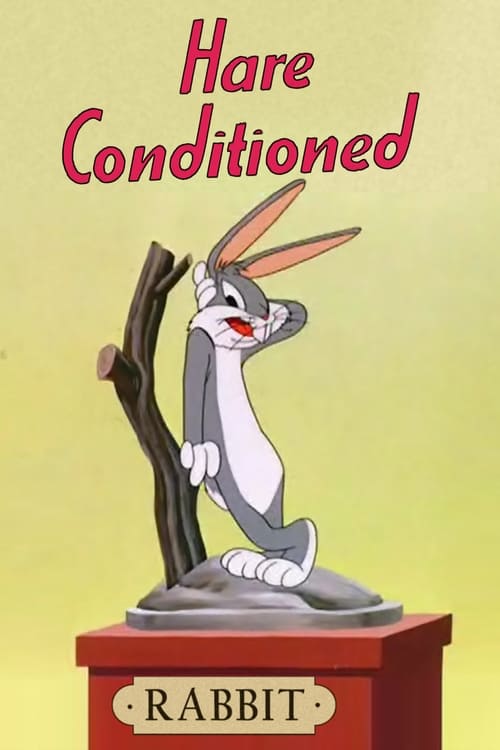
Hare Conditioned
1945
No user ratings available yet
Representation score: 0.9 out of 10
Representation Score
Minimal
1945
NRDirector
Chuck Jones
Runtime
8 minutes
Average Rating
No ratings yetNew Showbiz Analysis
Hare Tonic is a classic mid-century animated short that emphasizes kinetic, slapstick humor over social or cultural complexity. The narrative revolves around the established comedic conflict between Bugs Bunny and Elmer Fudd, operating within a closed loop of physical comedy. The film does not aim to disrupt traditional clichés or promote diverse narratives. Instead, it functions within the rigid social and gender binaries typical of 1940s animation. Ultimately, the film focuses on character-driven pursuit and evasion. It lacks the depth needed to address identity politics or the deconstruction of established social norms.
Category Breakdown
The film centers on a humorous conflict between two male characters. It does not include any non-binary or LGBTQ+ identities or critique the assumption that everyone is straight or cisgender.
The movie features an all-male cast. It lacks strong female roles and does not challenge traditional gender roles.
The setting is a generic woodland with animal characters. There is no indication of race-bent casting or using species to represent underrepresented ethnic groups.
The film follows standard comedic structures of its time. It does not address religious debates or criticize Western institutions.
A character's hyperactivity is used for slapstick humor. The film does not portray neurodivergence or physical disabilities with depth or ability to act.
Present on Screen
Limited or Absent
Official Synopsis
When Elmer Fudd brings Bugs Bunny home for dinner main course, Bugs tricks him into thinking there is a terrible outbreak of Rabbititus.
1945
1940
1954
1943
1948
1941
1948
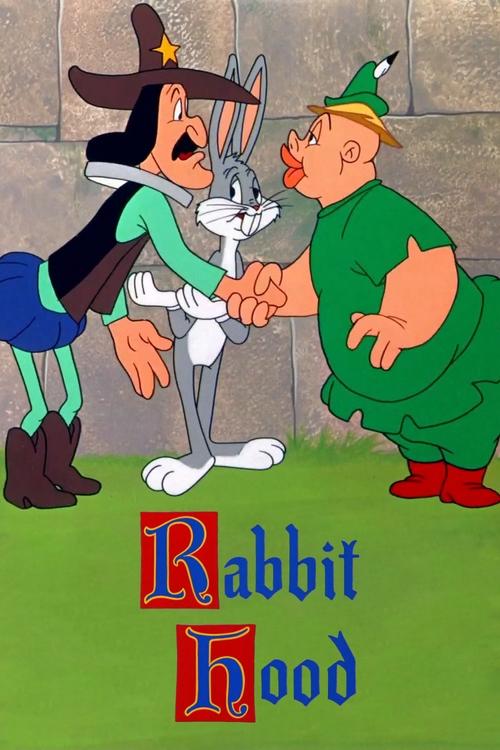
1949
No reviews yet. Be the first to share your thoughts on this movie!
Use the rating form above to leave a star rating and optional review.