Hare Brush
1955
No user ratings available yet
Representation score: 1.7 out of 10
Representation Score
Minimal
1948
NRDirector
Friz Freleng
Runtime
7 minutes
Average Rating
No ratings yetNew Showbiz Analysis
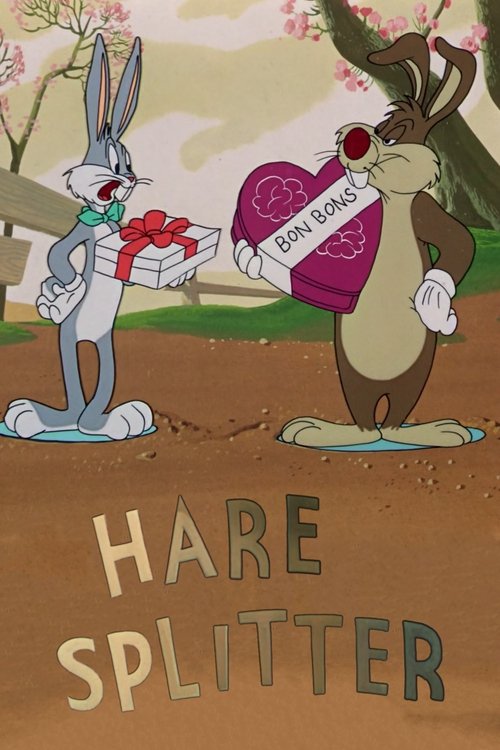
Hare Splitter is a mid-20th century slapstick short that emphasizes physical comedy over social complexity. The narrative relies on traditional hierarchies and standard character clichés common to the 1940s. While the film lacks depth in exploring multiple aspects of identity, it briefly disrupts traditional gender roles through Bugs Bunny's adoption of feminine traits for tactical advantage. This provides a minor deviation from rigid masculine norms. Overall, the work remains a product of its time, characterized by a lack of diverse representation and adherence to conventional social structures.
Category Breakdown
The film does not include any LGBTQ+ characters or explore non-traditional gender identities. Bugs Bunny’s cross-dressing is used purely for comedic effect and tactical advantage, not to delve into queer identity.
Daisy Lou mainly serves as a catalyst for the rivalry between the male characters. Bugs Bunny challenges traditional masculinity by adopting feminine traits to outwit his opponent, Casbah.
The cast is predominantly uniform, adhering to typical animation standards of the late 1940s. The story does not address diverse racial or ethnic backgrounds.
The story focuses solely on Western humor traditions without addressing broader ideological issues related to religion, capitalism, or societal structures.
There are no representations of visible or invisible disabilities, neurodivergence, or chronic illnesses in this short film.
Present on Screen
Limited or Absent
Official Synopsis
When Bugs arrives for his date with Daisy Lou and finds her out shopping, he puts on her clothes to fool his rival Casbah.
1955
1944
1945
1951
1954
1957
1956
1941
No reviews yet. Be the first to share your thoughts on this movie!
Use the rating form above to leave a star rating and optional review.