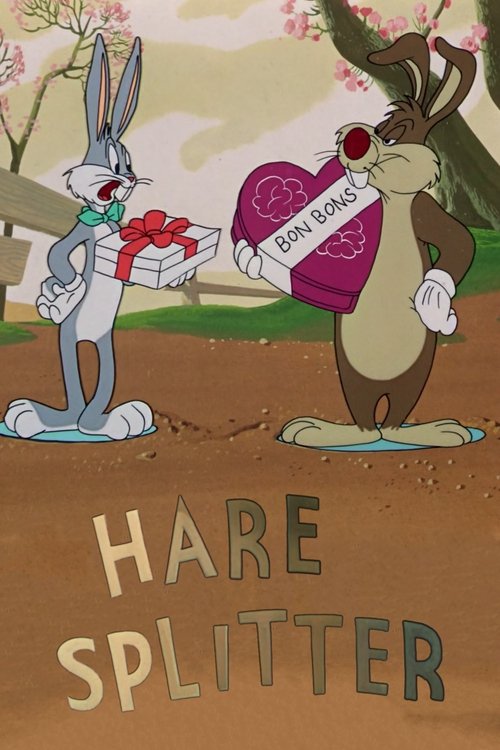
Hare Splitter
1948
No user ratings available yet
Representation score: 0.4 out of 10
Representation Score
Minimal
1955
NRDirector
Friz Freleng
Runtime
7 minutes
Average Rating
No ratings yetNew Showbiz Analysis
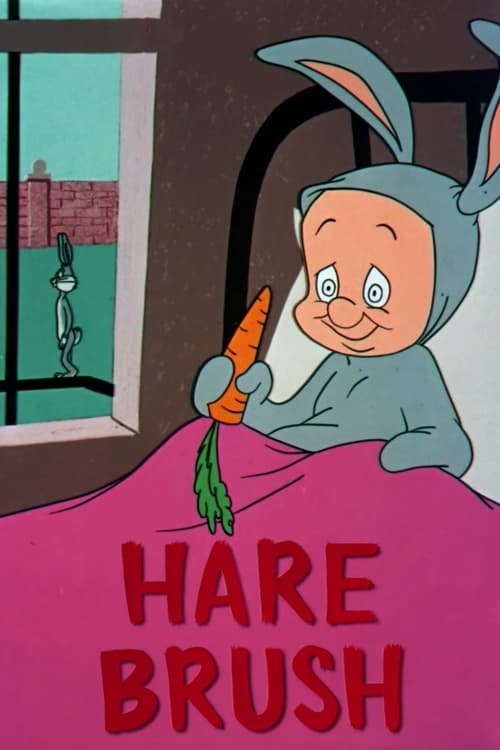
Hare Brush is a typical product of the 1950s animation era, emphasizing slapstick humor over social or identity-related depth. The narrative structure revolves around well-established mid-century clichés, focusing on chaotic situations rather than character development. The film operates within a limited framework of conventional morality and traditional social institutions. It does not engage with diverse identities or systemic critiques, sticking closely to the comedic standards of its time. Ultimately, the work serves as a traditional short that reinforces existing social norms through its use of archetypes and comedic setups.
Category Breakdown
The film centers on heterosexual relationships and does not include any non-binary gender identities or same-sex intimacy.
The story follows traditional gender roles and standard comedic stereotypes, without challenging gender hierarchies or critiquing domestic life.
The cast is made up entirely of anthropomorphic animals. The characters do not represent diverse racial or ethnic backgrounds, reflecting the animation standards of the 1950s.
The story upholds traditional social structures such as marriage and legal authority. It avoids engaging with secular or anti-Western themes.
Mental instability is used as a comedic device to advance the plot. The character's condition is employed for slapstick humor rather than a nuanced exploration.
Present on Screen
Limited or Absent
Official Synopsis
The corporate board has Elmer committed to an asylum because he thinks he's a rabbit. At the sanitarium, Bugs agrees to trade places with Elmer.
1948
1959
1956
1944
1956
1945
1951
1954
No reviews yet. Be the first to share your thoughts on this movie!
Use the rating form above to leave a star rating and optional review.