The Windblown Hare
1949
No user ratings available yet
Representation score: 1.1 out of 10
Representation Score
Minimal
1954
NRDirector
Robert McKimson
Runtime
7 minutes
Average Rating
No ratings yetNew Showbiz Analysis
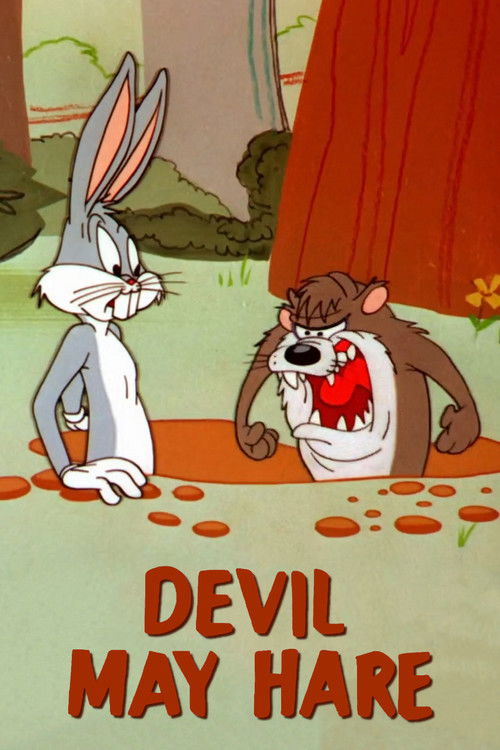
Devil May Hare is a typical mid-century animated short that emphasizes slapstick comedy over social commentary. The narrative centers on the established trickster archetype, focusing on the ongoing conflict between Bugs Bunny and the Tasmanian Devil. The film sticks to traditional comedic structures, avoiding engagement with themes related to identity politics or multi-layered issues. Set in a non-specific environment with anthropomorphic characters, it steers clear of direct engagement with human social hierarchies, reflecting its historical context and emphasis on physical humor.
Category Breakdown
The film does not depict any non-binary gender identities or same-sex relationships. The story focuses on the rivalry between Bugs Bunny and the Tasmanian Devil.
The story is gender-neutral due to the use of animal characters. It does not feature strong female roles or challenge traditional gender roles.
The woodland setting features a uniform cast of animal characters. There is no depiction of racial diversity or representation of underrepresented groups.
The story follows a traditional slapstick format without engaging in critiques of Western institutions, religion, or capitalism.
The Tasmanian Devil's manic and erratic behavior serves as physical humor. These traits are used for comedy rather than nuanced depictions of neurodivergence.
Present on Screen
Limited or Absent
Official Synopsis
The Tasmanian Devil is on the loose. Bugs offers to help him find his dinner.
1949
1964
1945
1943
1942
1949
1945
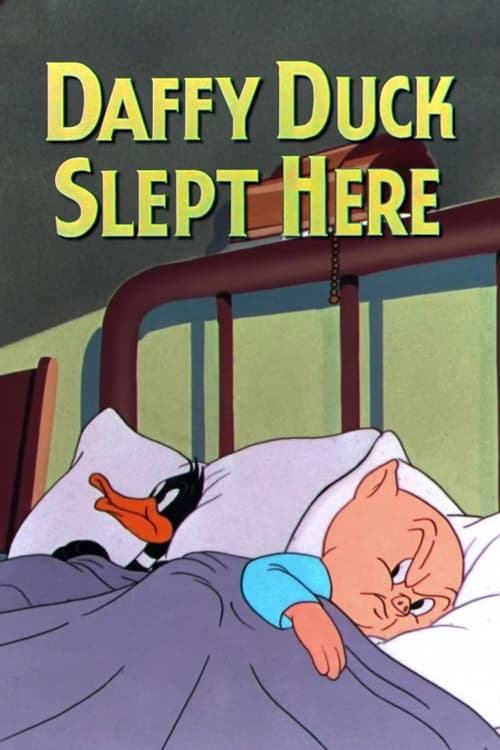
1948
No reviews yet. Be the first to share your thoughts on this movie!
Use the rating form above to leave a star rating and optional review.