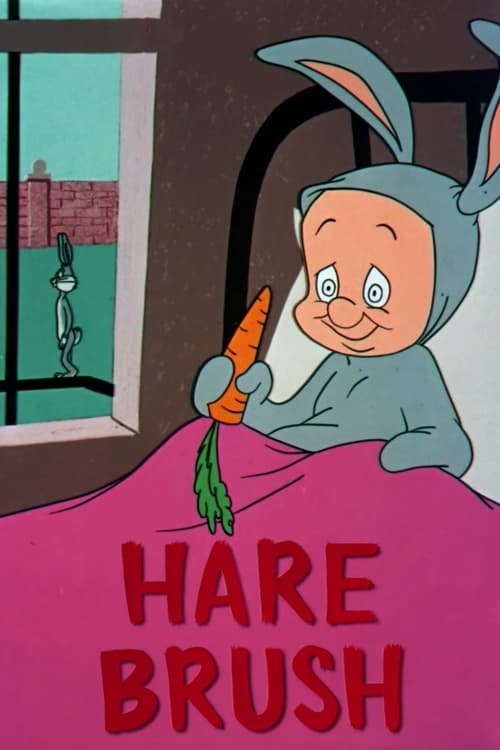
Hare Brush
1955
No user ratings available yet
Diversity score: 1.9 out of 10
1955
ApprovedDirector
Friz Freleng
Runtime
7 minutes
Average Rating
No ratings yetSynopsis
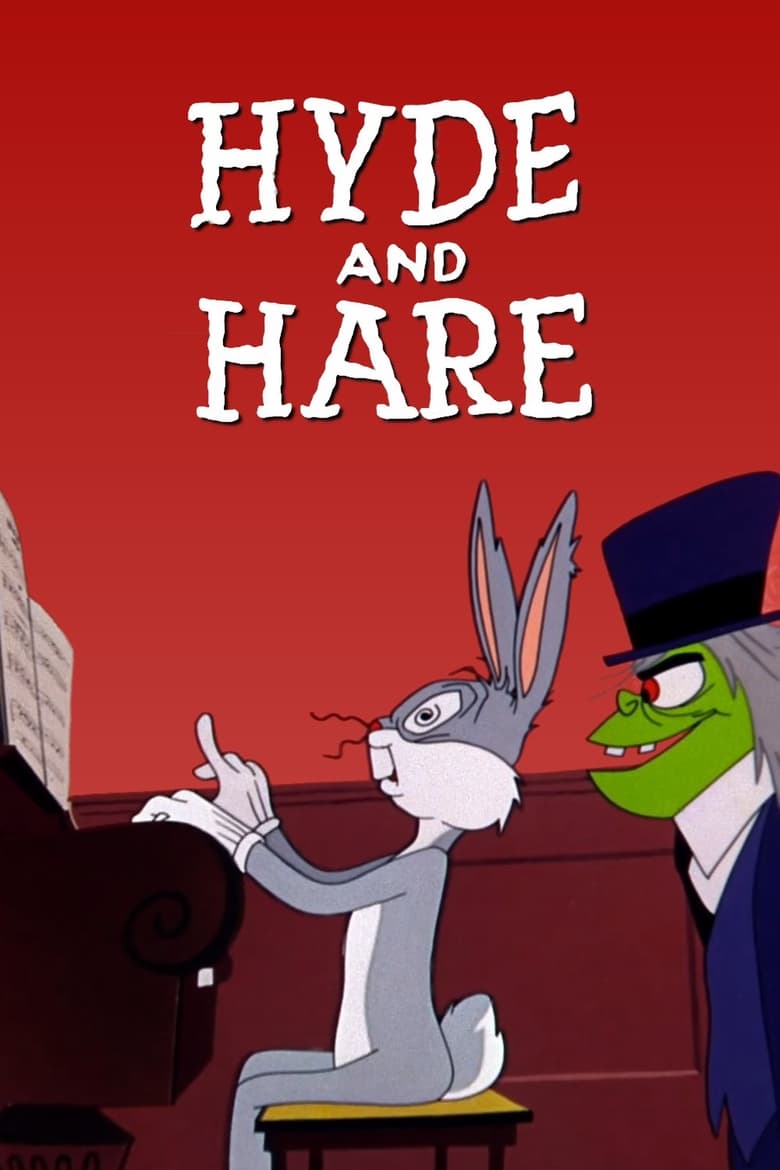
Bugs Bunny manages to get himself adopted by kindly Dr. Jekyll, but is surprised when his benefactor turns into the horrible Mr. Hyde after drinking a potion.
Overall Score
Minimal
Category Breakdown
LGBTQ+ Representation
The film lacks any depiction of non-cisnormative identities or same-sex intimacy. The narrative focuses entirely on a literary parody within a vacuum of traditional slapstick dynamics.
Gender Representation
Protagonists are non-human species, which prevents meaningful gendered character arcs. The film neither reinforces nor subverts traditional masculinity or patriarchal hierarchies through diverse gender expressions.
Racial & Ethnic Diversity
The setting is a localized laboratory featuring a homogeneous cast of anthropomorphic animals. There is no depiction of racial or ethnic diversity within this species-based framework.
Religious & Cultural Diversity
The story functions as a parody of Western literary tradition. It utilizes established Western storytelling archetypes rather than engaging with secularist or anti-Western critiques.
Disability Representation
The physical transformation serves as a comedic plot device rather than an exploration of disability. The character's change is used for manic effect rather than to provide agency.
Strengths
Areas for Improvement
AI Analysis
Hyde and Hare is a product of mid-century animation traditions, prioritizing slapstick comedy and physical humor over social or cultural interrogation. The narrative architecture is designed for escapist entertainment, relying on established Western literary tropes like the Jekyll and Hyde transformation. Because the characters are anthropomorphic animals, the film avoids human social hierarchies but also fails to introduce any intersectional identities. The lack of diverse representation reflects the era's standard animation tropes and a focus on genre-driven chaos.
1955
1948
1960
1942
1944
1957
1948
1955
1959
1951
1950
1955
No reviews yet. Be the first to share your thoughts on this movie!
Use the rating form above to leave a star rating and optional review.