White Fang
1973
No user ratings available yet
Representation score: 2.5 out of 10
Representation Score
Minimal
1975
Director
Alfonso Brescia
Runtime
91 minutes
Average Rating
No ratings yetNew Showbiz Analysis
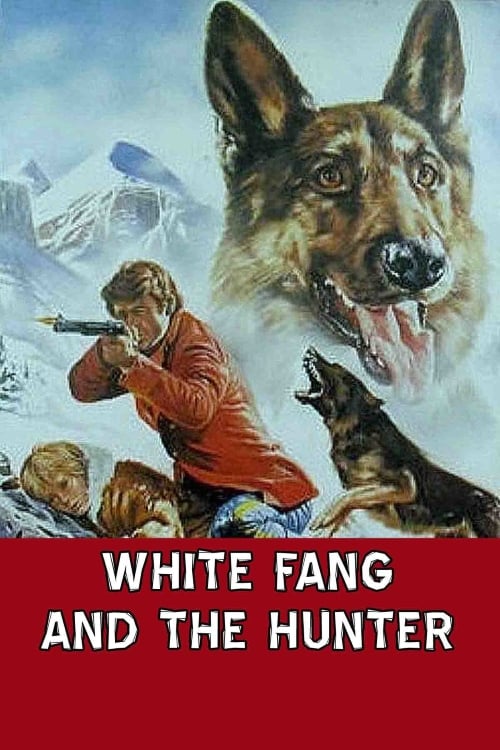
White Fang and the Hunter is a conventional adventure drama that adheres to the frontier archetypes of its era. The narrative focuses on individualist heroism and the relationship between a man and his dog, offering little room for social subversion. The film reinforces traditional power dynamics, particularly regarding gender roles and social hierarchies. While it features a female character in distress, the resolution relies on masculine protection rather than systemic change or diverse perspectives. Ultimately, the production reflects the homogeneous demographic and moral frameworks common to 1970s genre cinema, lacking intentionality regarding characters who reflect more than one aspect of diversity.
Category Breakdown
The film does not include any LGBTQ+ characters or narratives. It follows a traditional adventure storyline centered around a man and his dog.
The story centers on a masculine protagonist and a widow who drives the plot. The male lead serves as the primary rescuer, emphasizing traditional gender roles.
The narrative focuses on the Alaskan frontier experience, featuring a homogeneous, Anglo-Saxon cast typical of the genre.
The film adheres to standard adventure clichés and mid-century morality. It emphasizes individual heroism without critiquing systemic institutions or exploring diverse cultural frameworks.
There is no evidence of characters with visible or invisible disabilities. Disability is not used as a narrative device in this production.
Present on Screen
Limited or Absent
Official Synopsis
Courageous Alaskan canine White Fang and Daniel, his fur-trapping master are beset by wolves and later help save a widow who is being forced to marry a man she despises.
1973
1991
1975
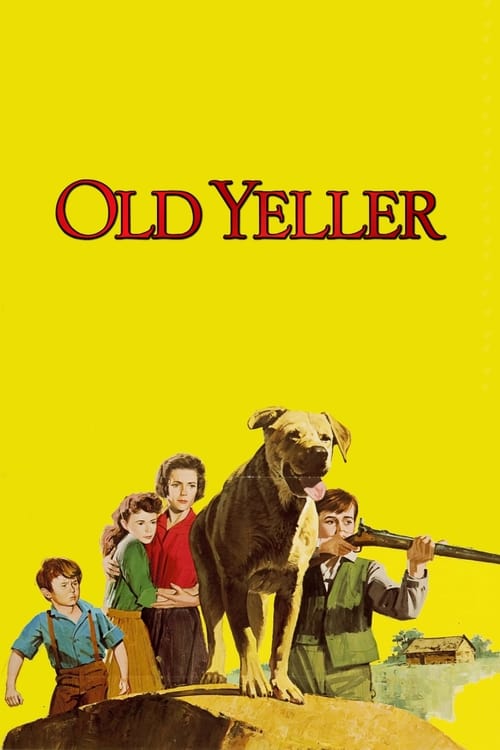
1957
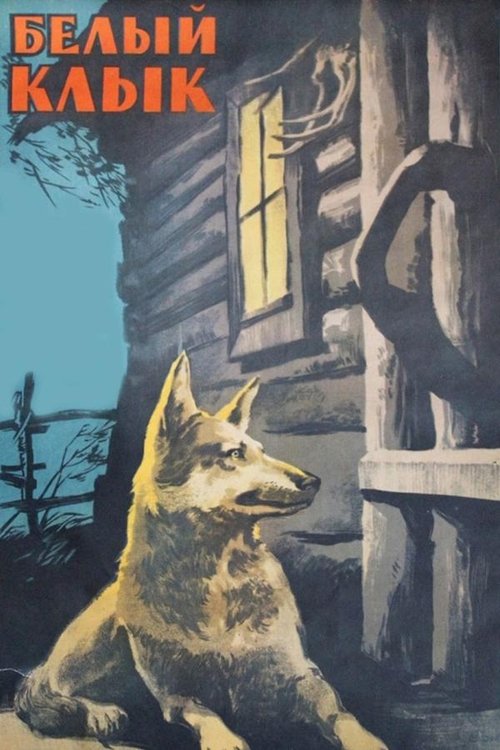
1946
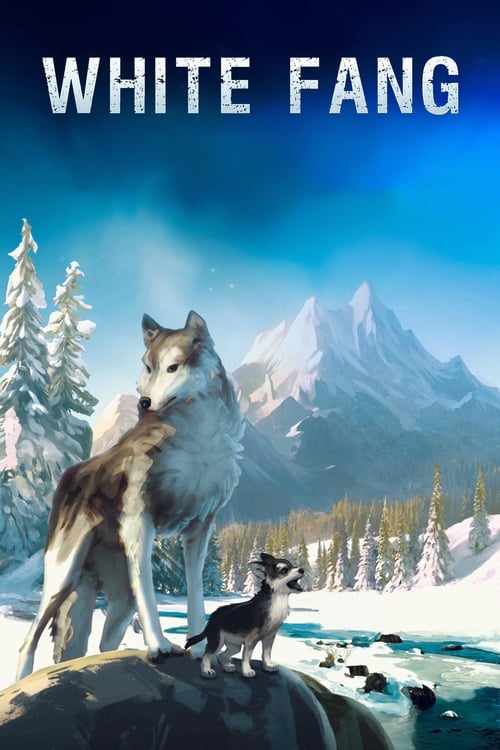
2018
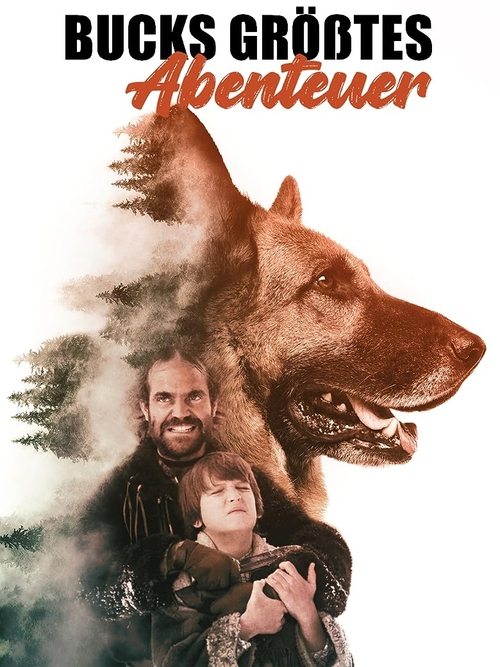
1991
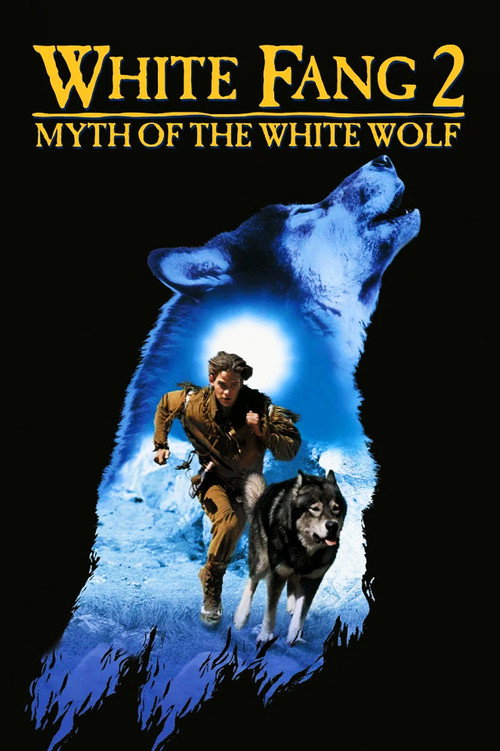
1994
No reviews yet. Be the first to share your thoughts on this movie!
Use the rating form above to leave a star rating and optional review.