
Way of a Gaucho
1952
No user ratings available yet
Representation score: 1.1 out of 10
Representation Score
Limited
1953
ApprovedDirector
John Rawlins
Runtime
80 minutes
Average Rating
No ratings yetNew Showbiz Analysis
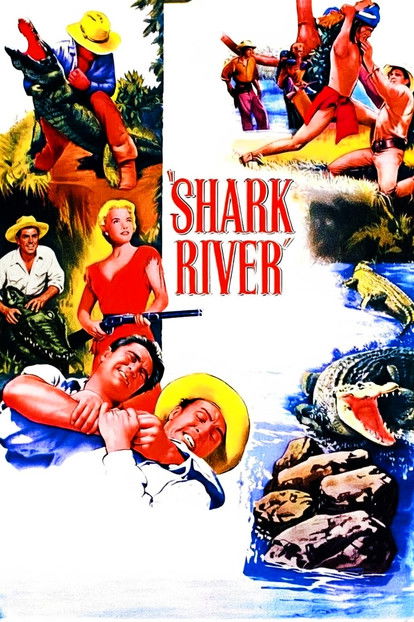
Shark River is a classic mid-century adventure film that emphasizes traditional genre elements over complex narratives. The story centers on male survival and movement through the Florida swampland, limiting space for diverse viewpoints. The film upholds the social hierarchies of its time. Characters are confined to conventional roles, such as the male outlaw or the domestic widow, which restricts the depth of interpersonal relationships. Overall, the film lacks layered representation. It relies on standard Western archetypes and uses physical vulnerabilities primarily to propel the plot.
Category Breakdown
There are no LGBTQ+ characters or non-straight identities in the film. It follows the social and cinematic norms of the 1950s.
Male characters drive the physical action and plot progression. Female characters, like Jane Daughterty, are mostly static and serve as a backdrop for the male journey.
The cast and storyline appear predominantly white. There is no indication of a racially diverse cast or significant blending of cultures.
The story follows a typical outlaw narrative within a Western survivalist context. It emphasizes individual morality and family loyalty without critiquing broader societal structures.
Curtis Parker's injury serves mainly as a plot device to create tension. Physical disabilities are used to drive the plot rather than explore the characters' experiences.
Present on Screen
Limited or Absent
Official Synopsis
Nobody has an easy time of it in the costume actioner Shark River. Wanted for murder, Clay Webley (Warren Stevens) and his wounded cellmate Curtis Parker (Robert Cunningham) hack their way through the Florida swampland. With the help of Clay's brother Dan (Steve Cochran), Clay is able to elude the authorities, but Parker dies of a snakebite. Subsisting on alligator meat, Dan and Clay make their way to the tiny cabin inhabited by widowed Jane Daughterty (Carole Mathews), her mother-in-law, and her son Johnny (Spencer Fox). The brothers rest here awhile, formulating plans to cross the Gulf of Mexico and head for Cuba.
1952

1971
1951
1962

1974
1954
1950
1952
No reviews yet. Be the first to share your thoughts on this movie!
Use the rating form above to leave a star rating and optional review.