
There's Always a Price Tag
1957
No user ratings available yet
Diversity score: 1.4 out of 10

1959
NRDirector
Robert Siodmak
Runtime
96 minutes
Average Rating
No ratings yetSynopsis
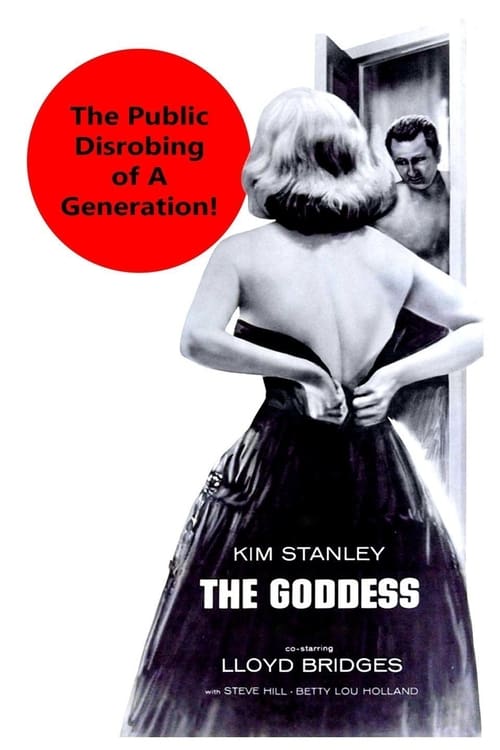
Young blonde woman seems to destroy everyone she comes in contact with.
Overall Score
Limited
Category Breakdown
LGBTQ+ Representation
The film contains no evidence of non-cisnormative identities. It adheres to the strict social orthodoxies typical of 1959 cinema.
Gender Representation
The story centers on a destructive femme fatale archetype. This framing often reinforces traditional hierarchies by portraying female agency as predatory.
Racial & Ethnic Diversity
The production likely reflects the homogeneous casting standards of the late 1950s. There is no evidence of racial blending or non-white agency.
Religious & Cultural Diversity
The narrative focuses on individual moral failings within a traditional framework. It offers no critique of Western institutions or organized religion.
Disability Representation
There is no information regarding the inclusion of characters with physical or neurodivergent disabilities.
Strengths
Areas for Improvement
AI Analysis
The Rough and the Smooth operates within the conventional boundaries of mid-century drama. It relies heavily on established archetypes, specifically the destructive blonde woman, rather than attempting to deconstruct social norms or provide intersectional perspectives. While the film explores complex moral landscapes through its protagonist, it lacks the intentionality required to disrupt systemic hierarchies. The narrative structure appears to reinforce the status quo of its era through traditional casting and moralistic storytelling. Ultimately, the film serves as a period-typical example of psychological tension that prioritizes individual conflict over diverse or progressive representation.
1957

1951

1949
1956

1945

1961

1949

1956
1958

1955

1959

1961
No reviews yet. Be the first to share your thoughts on this movie!
Use the rating form above to leave a star rating and optional review.