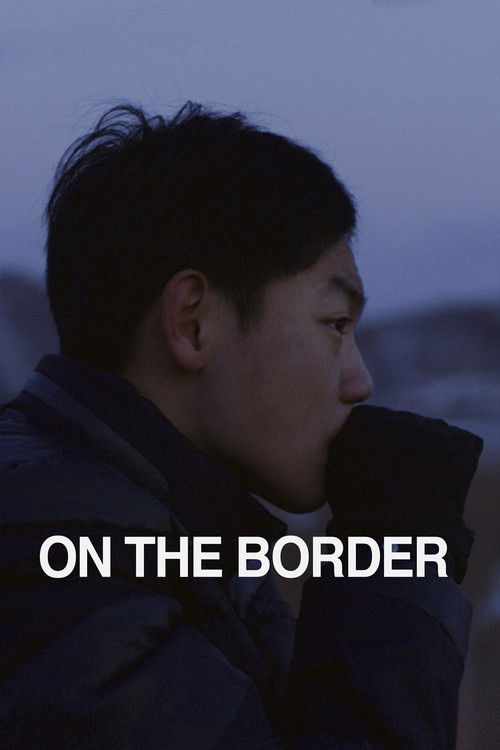
On the Border
2018
No user ratings available yet
Representation score: 3.0 out of 10

Representation Score
Limited
2018
Director
Jéro Yun
Runtime
104 minutes
Average Rating
No ratings yetNew Showbiz Analysis
Beautiful Days offers a grounded look at transnational identity and the complexities of the East Asian diaspora. By placing a Chinese student in a South Korean setting, the film disrupts regional homogeneity and explores the realities of immigrant life. The narrative emphasizes fractured family units and the socioeconomic pressures of the hostess industry, providing a nuanced view of underrepresented social roles. However, the film lacks representation for LGBTQ+ identities and disability, which limits its overall diversity impact.
Category Breakdown
The film does not include any LGBTQ+ characters or stories about non-cisgender identities. It focuses on traditional family structures.
The story centers on the female experience through maternal separation and the hostess industry. It explores how women survive within specific socioeconomic contexts.
The film highlights the immigrant experience by focusing on a Chinese protagonist in Seoul. This cross-border narrative moves away from mono-ethnic storytelling.
The narrative examines systemic hardship and the breakdown of the idealized family unit. It explores moral complexity within underrepresented urban environments.
There are no visible or invisible disabilities portrayed in the film. No characters are shown with specific disability-related roles.
Present on Screen
Limited or Absent
Official Synopsis
At the request of his dying father, Zhenchen, a Chinese student, goes to Seoul in search of his mother, whom he has not seen for fourteen years. He soon discovers that she is working as a hostess in a bar…
2018
2001
2018
2022

2018
2009

2018

2019
No reviews yet. Be the first to share your thoughts on this movie!
Use the rating form above to leave a star rating and optional review.